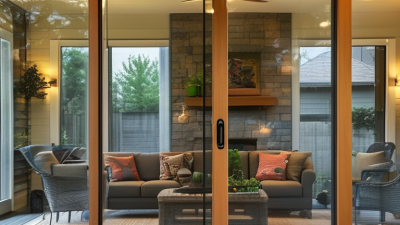
Choosing sliding glass patio doors in 2026 is about more than finding a frame that looks clean beside the garden. Glass area, orientation, local climate, and installation quality all affect comfort. The U.S. Department of Energy estimates that windows account for about 25–30% of residential heating and cooling energy use. That makes glazing and air leakage practical selection issues, not minor specifications. A cold draft near the sofa is a useful warning sign.
Start with verified performance data. The National Fenestration Rating Council (NFRC) label lists ratings such as U-factor and solar heat gain coefficient (SHGC), helping buyers compare products on consistent terms. Lower U-factor generally means better insulation; the right SHGC depends on climate, sunlight, and shading. ENERGY STAR’s regional criteria can also help narrow options, but certification alone cannot promise a comfortable room. Installation matters. So does a properly sized opening.
Then assess the details you will use every day: clear opening width, track design, locking hardware, glass safety markings, and screen access. Ask for written product specifications and a quote that identifies installation work, not just the door. A sleek black frame may suit the patio, yet it can feel out of place indoors. I would not choose by appearance alone. Compare the label, warranty, and installer’s proposed flashing details before deciding. These checks give you a grounded way to choose sliding glass patio doors that fit both your home and your habits.
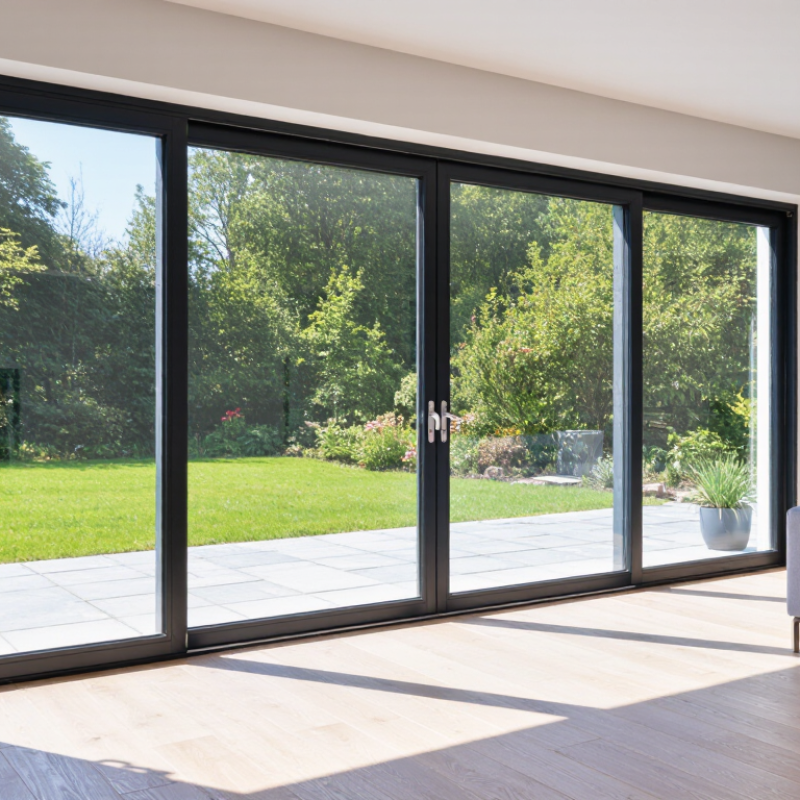
Sliding glass patio doors differ in how their panels move, and that choice shapes daily use. A two-panel unit usually has one fixed pane and one panel that glides along a track. It suits modest openings, though the clear passage is often narrower than the frame suggests. Measure the usable opening, not just the overall width. Small detail. For wider views, multi-panel systems can stack or slide several panels behind one another. Some designs open into a pocket in the wall, creating a nearly unobstructed doorway. That effect is appealing, but the wall needs enough space and careful planning.
Operating hardware matters too. Conventional sliders ride on rollers in a lower track and move with a horizontal push. Lift-slide models use the handle to raise the panel slightly before it rolls; when closed, the panel settles against its seals. This can help limit drafts, yet the panel may feel heavier and require proper adjustment. A low threshold is easier to cross, but drainage details deserve close attention. Test the handle.
Think about the room around the doorway. A sliding panel does not swing into furniture, while stacked panels may gather at one side and partly cover the view. Check where the screen sits, how much opening it leaves, and whether the track is easy to clean. Dust and small stones can affect smooth movement. Ask an installer to assess the opening, support, and drainage before choosing a style; site conditions can change what works.
Before choosing sliding glass patio doors, measure the opening at the top, middle, and bottom. Walls and floors are not always perfectly level. Record the smallest width and height, then check the diagonal measurements for a square opening. Measure the finished opening, not the old door panel. Small errors matter.
Next, assess how the doors will work with your patio. Note where furniture, planters, and steps sit, and leave a clear path for people moving in and out. Check whether panels will slide left or right, and whether the fixed panel blocks your preferred view. Think about curtains or shades, too; they need room beside the glass. A second measurement can feel fussy, but it is better than finding a mismatch after ordering.
Tips: Take measurements in inches or millimeters, and label each one clearly. Photograph the opening and note nearby obstacles. Confirm the required frame clearance with a qualified installer. If your notes disagree, measure again. I would not guess.
A sliding patio door can look slim in a showroom and feel very different beside a drafty living room. Frame material affects strength, upkeep, and insulation. Vinyl usually needs little maintenance, though dark finishes can absorb more heat. Fiberglass resists weather changes and holds its shape well, but often costs more. Aluminum offers narrow sightlines, yet standard frames conduct heat readily. Look for thermal breaks if you prefer aluminum.
Glass choices matter just as much. Double-pane glass is a practical baseline; triple-pane units may help in colder climates, but add weight and cost. Low-emissivity coatings limit unwanted heat transfer, while argon between panes can improve insulation. Check the rating, not just the feature list. A lower U-factor generally means less heat escapes; the right solar heat gain coefficient depends on your climate and window exposure. Ratings from an independent certification program make comparisons more reliable.
Think about the room, too. A sunny west-facing door may benefit from lower solar heat gain, while a shaded, cold-climate opening may need stronger heat retention. Tempered or laminated glass can improve safety, depending on the application. Installation still matters. Even an efficient door can leak air if the sill is poorly sealed. It is tempting to chase the best numbers, but comfort, budget, and a properly fitted frame do not always line up neatly. A little compromise is normal.
When choosing sliding glass patio doors in 2026, look beyond appearance. Ask what safety glass is specified and whether it suits your opening and household. Tempered glass breaks differently from ordinary glass, while laminated glass can help hold fragments together. Confirm product labels and installation details with a qualified installer; local requirements vary. If children or pets use the patio, consider visible markings on large panes. Small detail. Also check that the lock engages smoothly and that the frame cannot be easily lifted from its track.
Accessibility often depends on details you notice only after moving furniture through the doorway. Measure the clear opening, not just the door panel. A low, well-designed threshold can reduce tripping and make wheeled access easier, but water control still matters. Try the handle in person: a stiff grip can be frustrating for someone with limited hand strength. Keep the track easy to clean, since grit and leaves can make a door difficult to slide. A perfect showroom sample may behave differently after installation.
Match the glass and weather seals to your local climate and the door’s exposure. In hot, sunny areas, suitable solar-control glazing may reduce heat gain; in colder regions, insulated glass and tight seals can help limit drafts. Wind, rain, shade, and the direction the opening faces all matter. Ask how the sill drains and how the frame will be sealed to the wall. No single specification fits every home, and I would not choose on energy ratings alone. Check the warranty and care instructions, too.
When comparing sliding glass patio doors, look beyond the price on the quote. Ask whether it includes delivery, removal of the old door, interior trim, and repairs to the opening. Glass upgrades and frame materials can change the total substantially. Get each item in writing. A low estimate may leave out work you will need anyway.
Read the warranty before choosing. Check how long the frame, glass, hardware, and installation are covered; these may have different terms. Look for exclusions involving moisture, scratches, or routine wear. Also ask who handles service claims and whether labor is included. The fine print matters.
Installation quality affects comfort and long-term performance. Have the installer inspect the opening and explain how the sill will drain water. The frame should sit level, and the panels should slide without sticking. Ask how the crew protects flooring and seals the perimeter. A neat finish is reassuring, but it is not proof of sound flashing. That detail is easy to overlook.
Maintenance is simple, but not absent. Dust and grit collect in the track; vacuum it and wipe it with a damp cloth. Check rollers, weatherstripping, and drainage openings each season. Avoid forcing a stubborn panel. Sometimes the cheapest door is not the least expensive choice over time, and comparing those costs is less tidy than it sounds.
Cost basis: Indicative U.S. planning ranges for a standard-size, two-panel sliding patio door, including the door and straightforward replacement installation. Prices vary by region, size, glass options, labor, and site conditions; structural repairs, permits, and major finish work may cost extra.
| Frame material | Indicative installed cost (USD) | Key advantages | Installation considerations | Warranty points to verify | Long-term maintenance |
|---|---|---|---|---|---|
| Vinyl (uPVC) | $1,200–$3,500 | Usually a lower-cost option; does not require painting and resists moisture and corrosion. Insulated frames and multi-pane glass can improve thermal performance. | Confirm the frame is suitable for the opening and local climate. Proper shimming, fastening, flashing, and perimeter sealing are important for smooth operation and water management. | Check separate coverage periods for the frame, insulated-glass seal, hardware, and labor. Confirm exclusions for discoloration, installation, and service calls. | Wash with mild soap and water; keep the track clear and lubricate hardware as directed. Avoid abrasive cleaners and harsh solvents. |
| Aluminum | $1,800–$5,000 | Strong, slim frame profiles can provide a contemporary look and broad glass area. Finish options and performance vary by product. | Ask whether the frame is thermally broken, especially in climates with large temperature swings. Check drainage paths and confirm the opening is properly flashed and sealed. | Review finish, corrosion, glass-seal, hardware, and labor coverage separately. Verify any coastal-environment limitations. | Clean frames and tracks periodically, clear weep holes, and inspect seals. Rinse salt and airborne deposits from exposed frames more often in coastal areas. |
| Fiberglass | $2,500–$5,500 | Stable frame material with low routine upkeep; finishes and colors depend on the product. Performance depends on the complete door, glazing, and installation. | Confirm the product dimensions, frame configuration, and available trim details before ordering. Replacement work may require extra finishing to match existing openings. | Check coverage for frame, finish, glass seals, moving parts, and installation. Review requirements for registration, maintenance, and professional installation. | Wash with mild detergent, keep tracks and drainage openings clear, and inspect weatherstripping and hardware periodically. Follow the finish-care instructions. |
| Wood | $2,500–$6,000 | Natural appearance and a range of stain or paint finishes. Interior wood can be refinished, while exterior protection depends on the product and finish. | Careful water management and sealing are especially important. Confirm exterior cladding or finish details, sill-pan flashing, and compatibility with the existing wall assembly. | Review finish and moisture-related exclusions, as well as separate glass, hardware, and installation coverage. Check required inspection and refinishing schedules. | Inspect the exterior finish and joints regularly; clean and refinish as needed. Keep drainage paths open and address peeling, cracking, or water entry promptly. |
| Wood with exterior cladding | $3,000–$7,000 | Combines a wood interior with a factory-applied exterior protective layer, which can reduce routine exterior painting compared with exposed wood. | Confirm the cladding material, corners, joints, sill details, and trim interfaces. Proper flashing and installation remain essential to prevent water intrusion. | Check whether frame, cladding finish, glass seals, hardware, and labor have different terms. Read exclusions for scratches, finish changes, and improper installation. | Clean the exterior surface, inspect joints and sealants, clear tracks and weep holes, and maintain the interior wood finish according to its care instructions. |
Before comparing quotes: Specify the same door size, panel configuration, glass package, screen, finish, removal and disposal, flashing, trim, and interior or exterior repairs. Ask for written warranty terms and confirm who handles installation-related service. A warranty length alone does not show what is covered or whether labor is included.
Thank you!
We will be posting information soon