10 Best Windows Sliding Glass Doors for Global Buyers
Choosing among the 10 Best Windows Sliding Glass Doors for Global Buyers requires more than comparing photographs and prices. The right windows sliding glass doors should balance insulation, security, ventilation, durability, and daily comfort. A bright coastal apartment needs different protection than a cold mountain house. Salt air can damage weak hardware. Strong sunlight can fade interior floors. Poor sealing may create drafts around the frame.
This guide examines practical details that buyers can verify. These include frame materials, glass layers, thermal performance, roller quality, locking systems, drainage design, and available dimensions. Manufacturer specifications matter, but real installation experience matters too. A well-designed door can still perform poorly when the opening is measured incorrectly. Local installers should confirm wall conditions, drainage, ventilation, and regional building requirements before purchase. Product warranties and after-sales support also deserve careful attention, especially for international orders.
No single model fits every climate or budget. Some premium doors feel smooth but require specialized installation. Some affordable options look impressive but may use weaker rollers or limited seals. Marketing images rarely show these weaknesses. That is worth remembering. The selected products are compared through a practical, evidence-based lens, using published specifications, user concerns, and common installation challenges. Readers should still inspect current certifications, delivery terms, replacement-part availability, and service coverage in their own market. Careful checking may seem slow, but it can prevent years of frustration.
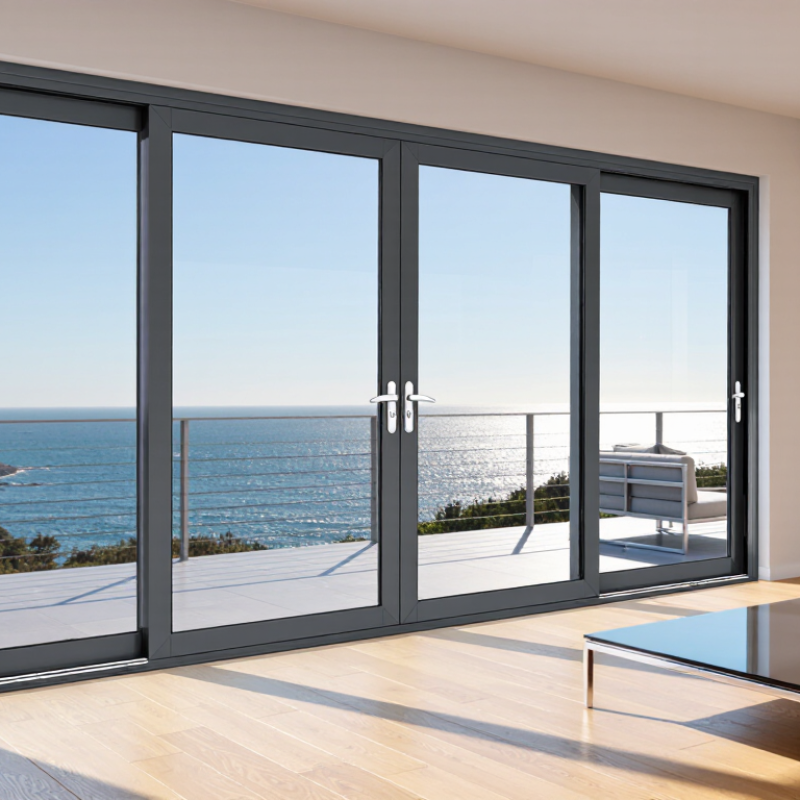
Types of Windows Sliding Glass Doors for Different Building Needs
Windows sliding glass doors serve different building needs, so the right type depends on climate, space, and daily use. Single-panel sliders suit compact apartments and smaller balconies. They require less wall width and remain easy to operate. Double-panel systems provide a broader opening for family rooms, patios, and hotel suites. Keep it simple. A well-sized door often performs better than an oversized design.
For cold regions, thermally broken frames and double or triple glazing can reduce heat transfer. Triple glazing offers stronger insulation, but it adds weight and cost. In warm, sunny areas, low-emissivity glass and external shading help control glare and indoor temperatures. Coastal buildings may need corrosion-resistant hardware and durable surface finishes. These details matter more than appearance alone.
Lift-and-slide doors create wide openings for luxury homes, restaurants, and event spaces. They usually need precise installation and strong track support. Pocket sliding doors disappear into the wall, saving interior space, but repairs can become difficult if access is poorly planned. Accessible projects benefit from low thresholds, smooth rollers, and carefully placed handles. Impact-resistant glass may support buildings exposed to severe weather, where local requirements allow it. A wider opening is not always better. In practice, drainage, alignment, and cleaning access can be overlooked. Buyers should request tested performance data, installation guidance, and replacement hardware availability before choosing a system.
10 Best Windows Sliding Glass Doors for Global Buyers - Types of Windows Sliding Glass Doors for Different Building Needs
| No. | Sliding Glass Door Type | Typical Configuration | Typical Opening Width | Recommended Glazing | Best Building Use | Main Advantages | Important Selection Considerations |
|---|---|---|---|---|---|---|---|
| 1 | Standard Two-Panel Sliding Door | One fixed panel and one operating panel on a two-track frame | Approximately 1.5–2.4 m | Double insulating glass; low-emissivity coating for many climates | Apartments, bedrooms, balconies, and small patios | Compact design, simple operation, economical installation, and good daylight access | Confirm roller capacity, drainage, locking points, and local air-leakage requirements |
| 2 | Three-Panel Sliding Door | Two operating panels and one fixed panel, usually on multiple tracks | Approximately 2.4–3.6 m | Double or triple insulating glass, depending on climate and frame design | Family homes, wider terraces, and medium-sized hospitality spaces | Wider clear opening, flexible ventilation, and improved access to outdoor areas | Check structural support above the opening and allow sufficient installation tolerance |
| 3 | Four-Panel Sliding Door | Two fixed and two sliding panels, or four panels arranged on parallel tracks | Approximately 3.6–6.0 m | Safety-rated double glazing or triple glazing for colder regions | Large living rooms, villas, restaurants, and resort common areas | Large glazed area, broad views, and strong indoor–outdoor connection | Requires accurate structural design, stronger hardware, and careful glass handling during installation |
| 4 | Pocket Sliding Glass Door | Sliding panel disappears into a concealed wall pocket when fully open | Approximately 1.8–4.8 m | Insulating safety glass selected for local thermal and impact requirements | Modern homes, compact interiors, galleries, and premium hospitality projects | Creates a nearly unobstructed opening and saves usable floor space | Needs a suitable wall cavity, protected drainage, and accessible maintenance planning |
| 5 | Lift-and-Slide Door | Handle-operated mechanism lifts the panel slightly before horizontal movement | Approximately 2.4–6.0 m | Large double or triple insulating glass units, subject to panel weight limits | High-end residential projects, coastal homes, and large architectural openings | Smooth operation with heavy panels and strong compression when closed | Hardware, frame, and sill must be correctly sized; verify tested water and air performance |
| 6 | Tilt-and-Slide Door | Panel tilts inward for ventilation and slides horizontally for access | Approximately 1.8–3.0 m | Double or triple insulating glass with low-emissivity coating where appropriate | Cold-climate homes, apartments, offices, and spaces needing controlled ventilation | Combines ventilation with sliding access and can support good thermal performance | Operation is more complex than a basic slider; precise adjustment and user instruction are important |
| 7 | Multi-Track Sliding Door | Three or more panels move independently along parallel tracks | Approximately 3.0–8.0 m | Safety-rated insulating glass; solar-control coating may help in hot, sunny climates | Commercial lounges, event venues, restaurants, and expansive residences | Offers flexible opening positions and a large glazed façade | Track alignment, sill drainage, panel weight, and cleaning access require careful planning |
| 8 | Corner Sliding Glass System | Sliding panels meet at a corner with a minimal or open corner post design | Approximately 3.0–8.0 m total per corner arrangement | Engineered insulating safety glass based on exposure and panel size | Luxury residences, restaurants, view-oriented hotels, and contemporary buildings | Maximizes corner views and can create a wide, open connection between spaces | Corner structure, wind loading, water management, and installation sequencing are critical |
| 9 | Thermally Broken Sliding Door | Frame includes an insulating barrier that reduces heat transfer through the frame | Approximately 1.8–6.0 m | Double or triple low-emissivity insulating glass, selected by climate zone | Cold climates, hot climates, energy-efficient homes, and commercial buildings | Helps reduce frame heat transfer and the risk of interior condensation compared with non-thermally broken frames | Review whole-door thermal values rather than judging performance by frame material alone |
| 10 | Low-Threshold Accessible Sliding Door | Sliding system with a reduced-height sill designed to improve step-free access | Approximately 1.5–4.8 m | Safety glazing with suitable insulating performance for the project location | Accessible homes, healthcare facilities, hotels, schools, and public buildings | Improves wheelchair and mobility access while maintaining a broad glazed opening | Low sills need careful waterproofing, drainage design, threshold detailing, and compliance review |
Note: Dimensions are typical planning ranges, not fixed product limits. Final selection should be based on local building codes, wind exposure, safety-glazing rules, thermal targets, drainage requirements, and project-specific structural calculations.
Related Posts
-
Top 10 Types of Sliding Glass Patio Doors
-
How to Install a Sliding Back Door in Your Home?
-

2026 Top Trends in Exterior Sliding Doors for Modern Homes?
-
How to Choose the Right Sliding Back Door for Your Home?
-
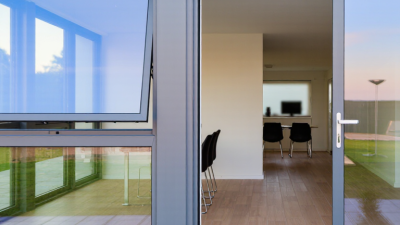
7 Best Windows and Sliding Glass Doors for Global Buyers
-

How to Choose the Best Exterior Patio Doors for Your Home?