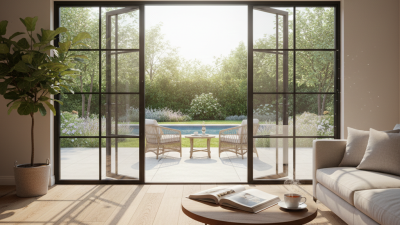
2026 Top Trends in Exterior Sliding Doors for Modern Homes?
As we look ahead to 2026, the realm of exterior sliding doors is transforming, driven by modern aesthetics and functionality. According to a report by Allied Market Research, the global sliding door market is expected to reach $17.2 billion by 2027, reflecting a growing consumer interest in innovative designs. Exterior sliding doors are no longer just practical; they are at the forefront of architectural trends.
The rise in demand emphasizes the need for energy efficiency and seamless indoor-outdoor living. Homeowners are increasingly seeking doors that enhance natural light and improve accessibility. However, with this surge in popularity comes challenges in material durability and design versatility. Many sliding door options still struggle with weather resistance and energy loss, which can undermine the benefits they promise.
Amid these trends, manufacturers are exploring advanced materials and smart technology integration. Moreover, consumer awareness around sustainability is urging companies to rethink their production processes. Overall, as we navigate the evolving landscape of exterior sliding doors, it’s essential to address these imperfections and potential pitfalls, ensuring that innovation serves both beauty and practicality in modern homes.
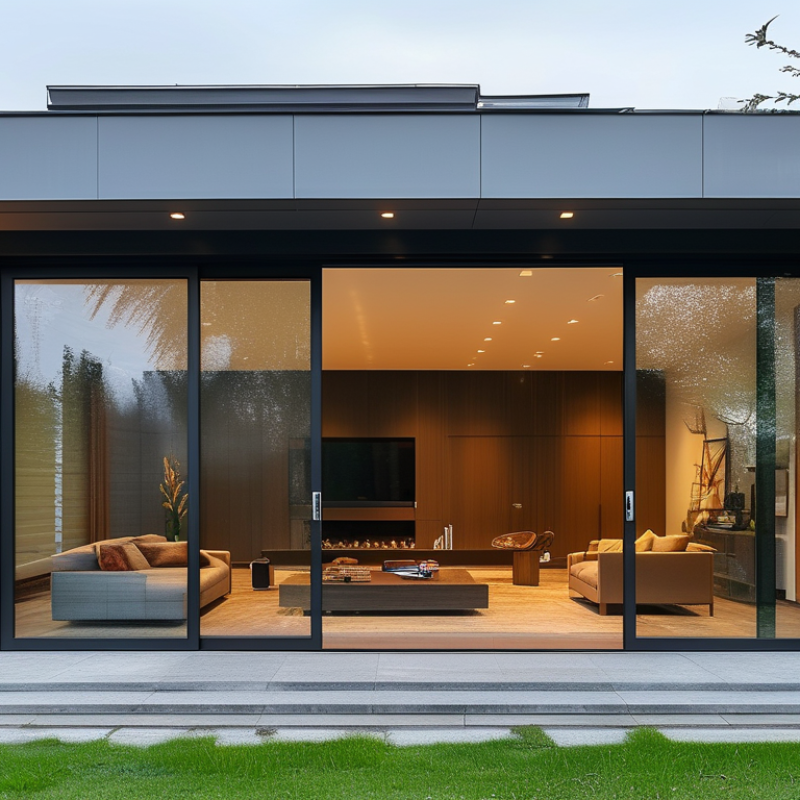
Emerging Materials for Exterior Sliding Doors in 2026
As we look ahead to 2026, the landscape of exterior sliding doors is evolving with innovative materials. Homeowners increasingly seek durability and aesthetic appeal.
Fiber-reinforced composites are gaining traction, offering the strength of wood without the maintenance. These materials withstand harsh weather, making them ideal for various climates. The light weight yet sturdy design facilitates effortless operation.
In addition, architectural glass continues to rise in popularity. This material delivers unobstructed views and enhances natural light. It often features energy-efficient coatings that improve insulation. Designers are experimenting with tinted and frosted options, allowing for privacy without sacrificing style. However, such choices may require careful attention to installation and sealing to prevent common issues like leaks.
Sustainable options are now trending as well. Recycled aluminum and sustainably sourced wood are appealing to environmentally conscious buyers. Yet, these materials can sometimes increase upfront costs. Homeowners need to weigh long-term benefits against initial investments. The quest for balance between style, functionality, and sustainability remains a complex yet rewarding challenge in modern home design.
Innovative Designs Shaping Modern Home Aesthetics
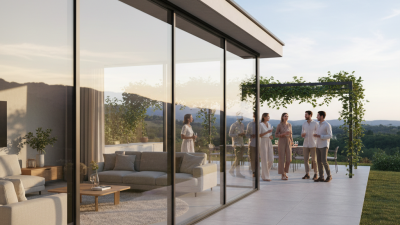
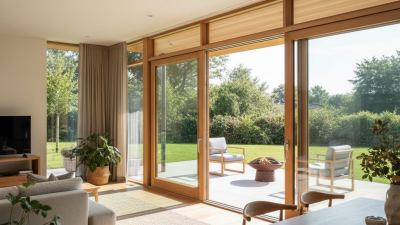
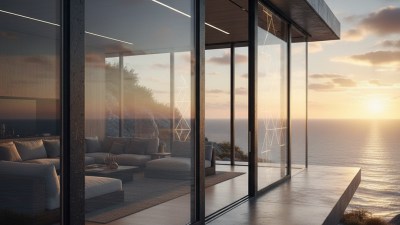
Innovative designs for exterior sliding doors are transforming the aesthetics of modern homes. Sleek lines, minimalist frames, and expansive glass panels dominate the trends in 2026. These features enhance natural light and offer beautiful views. People appreciate how these doors blend indoor and outdoor spaces seamlessly.
Materials matter in today's designs. Aluminum and fiberglass are gaining popularity for their durability and energy efficiency. Homeowners are increasingly opting for eco-friendly options, showcasing a commitment to sustainability. However, ensuring these materials withstand harsh weather can be a challenge. Regular maintenance is often necessary, posing a dilemma for busy homeowners.
Color trends are evolving too. Earthy tones like taupe and terracotta create warmth, while bold choices like deep blue or emerald green make a statement. But bold colors can sometimes clash with the overall home design. Finding balance is crucial. Additionally, some designs may sacrifice privacy for aesthetics, leading to discomfort. Achieving the perfect combination of style and function requires thoughtful consideration.
Energy Efficiency Trends in Sliding Door Technology
Energy efficiency is becoming a crucial concern for modern homeowners. With rising utility costs, many are seeking better solutions. sliding doors are evolving to meet this need, featuring advanced materials and designs. These innovations not only enhance aesthetics but also improve thermal performance. Double or triple glazing is now common, reflecting heat in summer and retaining warmth in winter.
Another exciting trend is the integration of smart technology. This allows homeowners to control energy settings remotely. Sensors can detect temperature changes, optimizing energy use. However, not every sliding door on the market embraces these smart features uniformly. Some designs may lag behind, leaving users with gaps in efficiency.
Manufacturers are focusing on sustainable materials too. Recycled aluminum and low-impact glass are increasingly utilized. These choices reduce environmental footprints while maintaining durability. Yet, the balance between sustainability and cost continues to be a debate. Homeowners should consider not just the initial investment but long-term energy savings. This complexity highlights the ongoing challenge in selecting the most efficient solution.
Smart Home Integration Features for Sliding Doors
Smart home integration is transforming exterior sliding doors in modern homes. Homeowners are now looking for seamless ways to connect their doors with smart technology. Imagine controlling your sliding doors with just your voice or smartphone. This convenience enhances daily living, ensuring easy access and security.
Many new sliding doors come with features like remote access and smart locks. These systems allow users to check if doors are locked from anywhere. Some models even include sensors that alert homeowners if a door is left open. However, issues can arise with connectivity. Not all smart home systems are compatible. It’s essential to research and ensure your selections match your existing devices.
Additionally, some homeowners may find the initial setup complex. Understanding app functionalities can be challenging. Yet, these integrations offer significant benefits when set up correctly. Better security and ease of use often make the effort worthwhile. Embracing smart features can lead to a more modern, efficient living space, transforming how we interact with our homes.
Sustainability and Eco-Friendly Practices in Door Manufacturing
Sustainability is reshaping the door manufacturing industry. More homeowners are seeking eco-friendly exterior sliding doors. The market now emphasizes materials that are renewable and recyclable. According to a 2022 report by the Green Building Council, over 70% of consumers desire sustainable options in home improvement products.
Manufacturers are responding with innovative designs featuring reclaimed wood and aluminum alternatives. These materials reduce carbon footprints significantly. The shift toward sustainable production not only helps the planet but also leads to energy-efficient homes. Sliding doors made from these materials can enhance energy efficiency by up to 30%.
Tip: When choosing sliding doors, look for certifications that indicate sustainability. Check if materials are sourced responsibly. It's important to consider the lifecycle of the products you select.
Homeowners should also think about the environmental impact of their choices. Not all eco-friendly options are perfect. Some might be more costly initially, but savings in energy bills can offset costs over time. Balancing budget and sustainability is key.
Tip: Research local suppliers who prioritize eco-friendly practices. Engage with brands committed to sustainable manufacturing.
2026 Top Trends in Exterior Sliding Doors for Modern Homes