What Are the Best Sliding French Doors Made in China?
Choosing the best sliding french doors made in China takes more than comparing catalog photos. A bright showroom can hide the details that matter at home: how smoothly the panels move, how tightly they close, and whether the frame stays square after years of use. This guide looks at materials, glass, hardware, weather sealing, customization, and supplier communication. The goal is practical: help buyers ask sharper questions before requesting a quote.
Fenestration specialist Lin Wei offers this guiding principle: “Judge a door by its movement, seals, and service—not its finish alone.” Treat that as a buying rule, not a substitute for product testing. Ask for clear specifications, installation guidance, warranty terms, and references for comparable projects. Check how the rollers, locks, and drainage details are designed. Small details matter.
A good system should glide without a scrape. It should close with a reassuring, even contact along the frame. Yet no door suits every opening. Coastal exposure, frequent use, large glass panels, and local installation skills can change the right choice. Some specifications look impressive on paper but need careful verification. This overview compares the factors that distinguish dependable products from attractive listings, while noting where buyers should request evidence rather than rely on broad claims.
What Defines a Sliding French Door Made in China?
What Defines a Sliding French Door Made in China?
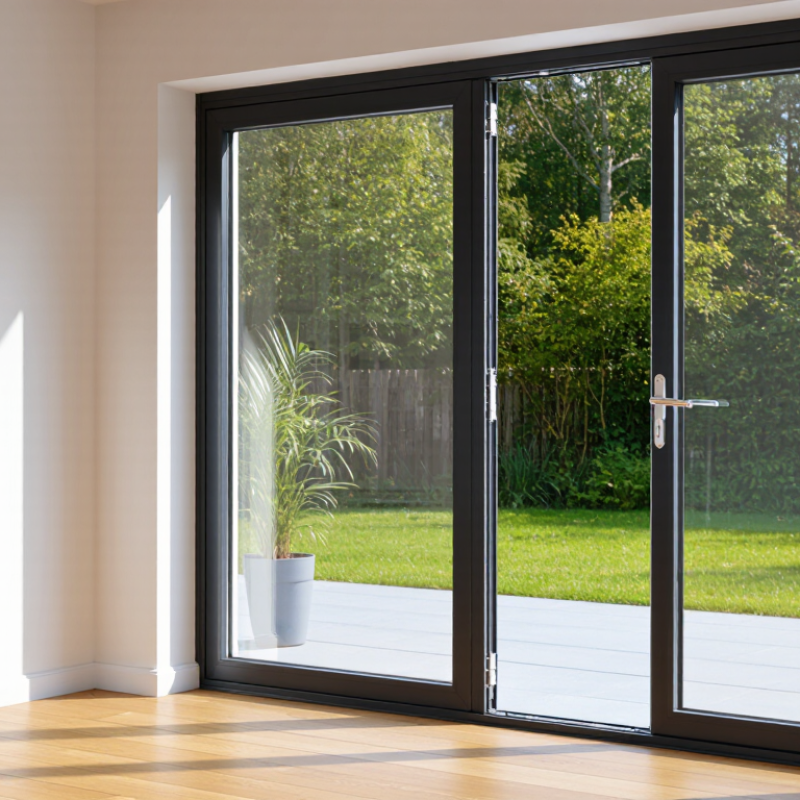
A sliding French door made in China is defined by its design, materials, assembly, and verified performance—not simply its country of origin. It typically pairs broad glass panels with French-door styling, while one or more panels glide along a track. Frame options may include aluminum, uPVC, or timber. Each brings different trade-offs in weight, upkeep, and insulation.
Look closely at the working details. Rollers should move smoothly without scraping, and the track should feel firm underfoot. Check how the meeting stiles align and whether weather seals sit evenly around the frame. These small details affect comfort and daily use. Ask for performance data tied to the exact size, glazing, and hardware configuration you plan to buy. A test result for a different setup may not tell you much. Factory inspection practices also matter, though a polished sample cannot guarantee every unit will match. That deserves a closer look.
Tips: Request installation drawings and confirm the opening measurements before production. Inspect a sample corner, seals, and locking points. If any specification is unclear, ask for it in writing; assumptions can become costly.
What Defines a Sliding French Door Made in China?
Sliding French doors combine a wide glazed opening with panels that move horizontally along a track. Common layouts include two, three, or four panels; the number of moving panels varies by design. The country of manufacture alone does not determine quality, so check the door’s dimensions, frame and glazing specifications, hardware, and independently verified performance ratings.
Which Materials and Designs Shape Door Quality?
Good sliding French doors begin with a frame suited to the opening and climate. Thermally broken aluminum offers slim sightlines and stiffness, but its quality depends on the thermal break and drainage design. uPVC can insulate well, though broad panels need careful reinforcement. Engineered timber adds warmth, yet exposed edges and coatings need regular attention. No material wins everywhere.
Glass and seals shape comfort as much as the frame. The U.S. Department of Energy’s Energy Saver guidance estimates that windows account for about 25–30% of household heating and cooling energy use. For large glazed doors, compare tested U-factor and solar heat gain coefficient ratings, rather than relying on glass thickness alone. Double glazing with a low-emissivity coating can help, but the right specification depends on local sun and winter temperatures. Check whether performance figures apply to the complete door, not just its glass.
Design details reveal build quality. Look for a rigid meeting stile, continuous weather seals, corrosion-resistant rollers, and a track that can be cleaned without dismantling the door. Ask for air, water, and structural test results under a recognized fenestration standard. Still, installation matters. A slightly out-of-square opening can make even a well-made panel drag, leak, or refuse to latch.
How to Compare Thermal, Acoustic, and Security Performance
For sliding French doors made in China, compare complete test reports, not glass claims alone. The U.S. Department of Energy estimates that heat gain and loss through windows account for 25–30% of home heating and cooling energy use. Check each door’s NFRC-rated U-factor and solar heat gain coefficient; lower U-factor generally means better insulation. Thermal breaks, insulated glass, and continuous weather seals matter. Small gaps matter.
For sound, request a laboratory report showing the tested assembly’s STC or OITC rating. ASTM E90 describes laboratory sound-transmission testing, while ASTM E413 classifies STC results. Compare identical glass and frame configurations: one thicker pane does not guarantee quieter rooms. Ask whether the test included the sliding interlock, perimeter seals, and full frame. Road noise and low-frequency traffic can behave differently from voices. The number is useful, but not the whole story.
Security depends on the assembled door, not a lock description. Request evidence for the tested panel, frame, track, glazing retention, and locking points under a recognized forced-entry test. NAFS performance reports can help compare air, water, and structural performance, but they do not by themselves prove forced-entry resistance. Verify the report matches the model and hardware being quoted. Installation can erase a laboratory advantage; that part is easy to overlook.
What to Check When Evaluating Chinese Door Manufacturers
When evaluating Chinese sliding French door manufacturers, look beyond polished catalog photos. Ask how the factory controls frame dimensions, glass thickness, and hardware installation. Request current production photos, not only showroom images. Details matter. A sample should slide smoothly, lock without force, and sit evenly in its track.
Check written specifications for aluminum profile thickness, glass configuration, drainage design, and available finishes. Ask how the manufacturer tests air and water resistance, and request test reports tied to the relevant door system. Ask for the test method and date, too. A report for a different model proves little. Not always obvious. Confirm whether the quoted price includes screens, handles, packaging, and installation guidance.
Reliable communication is part of quality control. Send a marked-up drawing and see whether the team identifies conflicts, such as a handle hitting a wall or a sill requiring extra clearance. Request inspection records and a clear process for reporting defects before shipment. References from comparable projects can help, but verify the project type and door size. Paperwork can look complete while small tolerances remain unclear, so agree on measurable acceptance points, such as frame dimensions and glass markings, before production begins.
How to Match Door Features to Your Project Needs
Choosing sliding French doors made in China starts with the opening, not the catalogue photo. Measure the finished opening at several points; older walls can be slightly out of square. Then decide how much clear passage you need when the panels are open. A wide living-room entrance may suit a multi-panel layout, while a compact patio door may work better with fewer moving panels. Check the stacking direction against furniture, curtains, and outdoor steps.
Glass and frame details should match the room’s exposure and daily use. For a sunny west-facing room, ask about glazing options that help manage heat and glare. In a quiet bedroom, sound reduction may matter more than a very slim frame. Coastal air, frequent rain, or dusty garden paths also affect hardware and track choices. Look for practical details: drainage, replaceable rollers, a raised or flush sill, and clear maintenance guidance. Small parts matter.
Before ordering, request drawings with panel sizes, glass specifications, finish details, and installation tolerances. Compare those documents with your actual site measurements, not just the stated overall size. A large glass panel can brighten a room, but it may also feel heavy to slide. I’ve seen that trade-off overlooked. Ask for a sample finish if color consistency matters; screen images can be misleading. Check how the doors will be delivered and protected, too. A good match is specific to the project, and sometimes the less dramatic option works better.