Ontario +1 289 597 8838
British Columbia +1 778 594 5888
New Brunswick +1 506 269 7732
Nova Scotia +1 902 233 0397

China Top 10 Sliding French Doors Manufacturers?

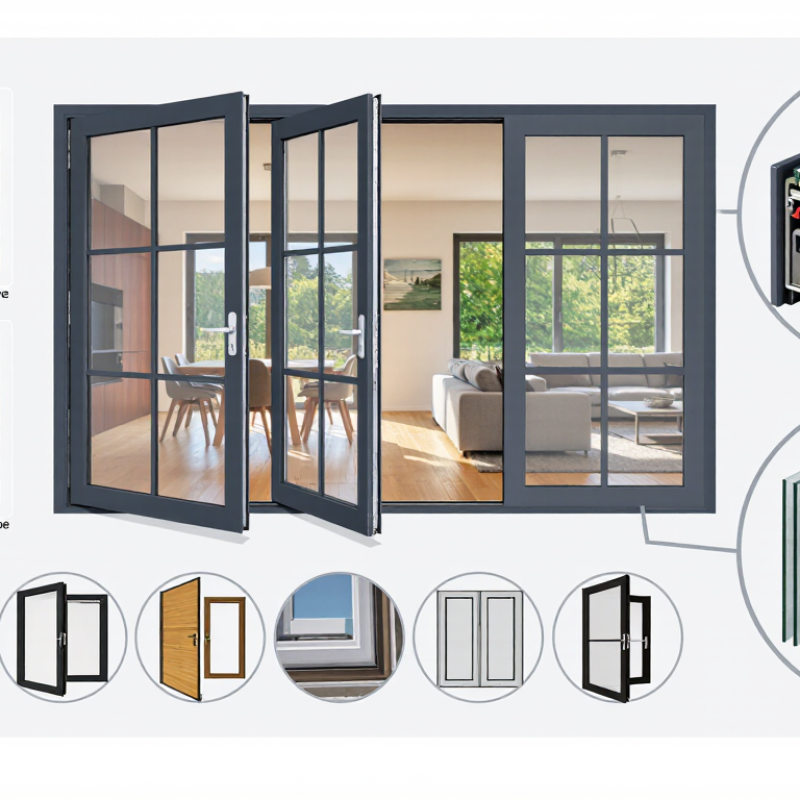
China’s sliding French doors market deserves closer examination than a simple factory ranking. These doors combine wide glass panels, hinged-style sightlines, and smooth sliding hardware. They can transform a dim dining room into a brighter space. They can also expose weak seals, poor drainage, and inaccurate installation.

The U.S. Department of Energy reports that windows can cause 25% to 30% of residential heating and cooling energy use. This finding matters for sliding French doors, especially in large glazed openings. Grand View Research and Mordor Intelligence also identify energy efficiency, renovation activity, and premium residential construction as major growth drivers across the global doors and windows sector. However, market reports often combine several product categories. Their figures should not be treated as exact sales data for sliding French doors.

Building-science expert Dr. Joseph Lstiburek often states, “A window is a hole in the wall.” The same principle applies here. A beautiful frame cannot compensate for poor flashing or uncontrolled air leakage. This China Top 10 list therefore considers manufacturing experience, profile quality, glass options, drainage design, hardware durability, certifications, export records, and after-sales support. Product photos are not enough. Factory audits, test documents, sample inspections, and installation references provide stronger evidence. The method is not perfect, because supplier data can change and independent testing is not always public. Still, it offers a practical starting point for buyers comparing sliding French doors for homes, hotels, and modern commercial projects.
China Top 10 Sliding French Doors Manufacturers?

China’s Sliding French Door Manufacturing Landscape

China’s sliding French door manufacturing landscape combines aluminum extrusion, insulated glass, hardware, and surface finishing in one competitive supply chain. Many factories serve residential, hospitality, and renovation projects through customized production. Their strength is flexibility, not just volume. A buyer can request narrow frames, larger glass panels, thermal breaks, or specific powder-coated finishes.

A credible top-ten selection should examine more than showroom photographs. Factory experience matters. Review extrusion tolerances, welding quality, roller design, drainage channels, and glass certification. Ask for test reports covering air leakage, water resistance, wind pressure, and cycle durability. Production records should match the requested door dimensions. They often do not.

Sample inspection can reveal small but costly faults. Check whether the panels slide smoothly after repeated opening. Measure frame diagonals with a tape measure. Inspect corner joints for uneven seals. Confirm packaging protects glass edges during long-distance transport. Reliable manufacturers provide drawings, material specifications, inspection photos, and clear replacement procedures. Communication is also a technical skill. A polished catalogue cannot compensate for vague answers about lead times or hardware changes. China’s market remains capable and diverse, yet quality varies between workshops, factories, and project teams. That difference deserves careful verification.

How to Evaluate Sliding French Door Manufacturers in China

China Top 10 Sliding French Doors Manufacturers?

How to Evaluate Sliding French Door Manufacturers in China

A top-ten list should not rely only on factory size or attractive catalogs. Evaluate practical experience first. Ask for completed projects using similar door dimensions, glass types, and climate conditions. Clear project photos help, but verified client references are more valuable. A factory tour, even by video, can reveal extrusion storage, glass handling, and assembly discipline. Look for clean work areas and labeled production batches.

Request a physical sample before signing a large order. Check frame joints, corner angles, roller movement, lock alignment, weather seals, and drainage holes. The door should slide smoothly without shaking. Ask for documented tests covering air tightness, water resistance, wind pressure, thermal performance, and sound control. Reports should identify the tested model, materials, and laboratory. Confirm whether the stated results match your target market’s building requirements.

A reliable manufacturer explains tolerances, lead times, packaging, replacement parts, and installation limits in writing. Discuss custom colors, screen systems, glass thickness, and hardware availability early. A polished sample can hide weak internal details. That happens. Consider a small pilot order and inspect the shipment before scaling production. Buyers sometimes blame the factory for poor performance when the opening was measured incorrectly or installed without proper drainage. Manufacturer quality matters, but installation evidence matters too.

Top 10 Sliding French Door Manufacturers and Their Strengths

China’s top ten sliding French door manufacturers compete through different strengths, not identical product lists. Grand View Research estimates the global sliding door market will expand steadily through 2030, supported by urban housing and renovation demand. This trend favors suppliers with stable export systems, tested hardware, and adaptable designs.

Several leading manufacturers focus on thermal performance. Their doors commonly use insulated aluminum frames, double or triple glazing, and multi-point locking systems. Others stand out for narrow sightlines, large glass panels, or concealed rollers. Some factories specialize in coastal projects, using corrosion-resistant finishes and stainless-steel components. A few offer faster customization through digital cutting and automated assembly. Practical strength matters here. A beautiful door still fails if its rollers bind after repeated use.

The strongest ten should also be compared through evidence. Check air leakage, water resistance, wind-load results, U-values, warranty terms, and replacement-part availability. The National Fenestration Rating Council links lower U-values with better insulation performance, although regional testing rules differ. Factory audits, sample inspections, and independent laboratory reports reduce purchasing risks. Many supplier profiles sound impressive. Not all are equally verifiable. Buyers should examine installation guides, packaging details, and actual project references before signing large orders. Cost remains important, but an inexpensive frame may create higher service costs later.

China Top 10 Sliding French Doors Manufacturers? - Top 10 Sliding French Door Manufacturers and Their Strengths

Rank Anonymous Manufacturer Profile Primary Strength Common Door Configuration Typical Frame Material Typical Glazing Options Common Application Best-Suited Buyer
1 Profile A Large-panel architectural systems with slim sightlines Two-, three- and multi-panel sliding French doors Thermally broken aluminum Double or triple insulating glass; low-emissivity coatings commonly available Luxury residences and hospitality projects Architects and premium project contractors
2 Profile B Balanced thermal performance and export customization Standard two-panel and four-panel configurations Aluminum alloy with thermal breaks Clear, tinted, laminated and low-E insulating glass Residential renovations and new construction Distributors serving several climate zones
3 Profile C Cost-effective standardization for high-volume orders Two-panel sliding French doors in standard sizes Powder-coated aluminum Single or double glazing, depending on project requirements Apartments, townhouses and budget housing Importers and volume-based builders
4 Profile D Traditional appearance combined with modern sliding hardware French-style meeting stiles with two or four moving panels Aluminum or engineered timber-aluminum composite Decorative grids, clear glass and insulating glass units Heritage-style homes and boutique hotels Design-led residential clients
5 Profile E Weather-resistant systems for coastal and humid locations Lift-and-slide or standard sliding French-door formats Marine-grade or corrosion-protected aluminum options Laminated safety glass and double glazing Seaside homes, resorts and humid climates Coastal developers and renovation specialists
6 Profile F Flexible OEM and private-label production Custom two-, three- and four-panel systems Aluminum, uPVC or mixed-material configurations Glass specification selected according to destination market Private-label distribution and project supply Overseas wholesalers and brand owners
7 Profile G Energy-conscious door packages for colder climates Thermally improved two-panel and multi-panel doors Thermally broken aluminum or insulated uPVC Double or triple glazing with low-E coatings and inert-gas options Cold-climate homes and energy-efficiency upgrades Energy-conscious builders and homeowners
8 Profile H Space-saving solutions for compact floor plans Narrow-frame two-panel sliding French doors Aluminum or uPVC Clear insulating glass and laminated safety glass Balconies, patios and small urban residences Apartment renovators and residential contractors
9 Profile I Heavy-duty hardware and large opening capability Multi-track sliding and lift-and-slide configurations Reinforced thermally broken aluminum Large insulating glass panels and laminated safety glass Wide patio openings and commercial interiors Commercial contractors and premium homeowners
10 Profile J Short-lead-time production and standard export packaging Stock-size two-panel sliding French doors Powder-coated aluminum or uPVC Single, double and laminated glazing options Routine replacement and mid-market construction Online sellers, dealers and regional distributors

Note: Product configurations, glazing choices, performance ratings, certifications and lead times vary by model, project specification and destination market. Verify technical documentation directly before procurement.

Product Quality, Customization, Certifications, and Pricing Comparison

China Top 10 Sliding French Doors Manufacturers?

When comparing ten leading sliding French door manufacturers in China, product quality should come before the lowest quote. In factory visits, I would inspect frame thickness, corner joints, drainage holes, and roller movement. A smooth test matters. Open each sample repeatedly. Check for wobbling, scraping, and uneven gaps. Tempered or laminated glass should match the project’s safety requirements. Hardware quality also affects daily performance, especially in coastal areas.

Customization can include opening size, frame color, glass type, screen systems, thermal breaks, and handle design. However, excessive customization may increase tooling fees and lead time. Ask for approved drawings before production. Confirm tolerances, packaging details, and replacement-part support in writing. This is where many comparisons become incomplete. A beautiful sample does not guarantee consistent mass production.

Certifications deserve careful verification, not simple logo checking. Request valid test reports, factory quality records, and certificates applicable to the destination market. ISO 9001 can indicate process control, but it does not prove every door is excellent. For pricing, standard aluminum doors may receive lower quotes, while thermally broken frames, upgraded glass, and premium hardware raise costs. Compare complete landed costs, including packaging, inspection, shipping, taxes, and installation accessories. A slightly higher factory price may reduce field problems, although this is not always true. Check recent production samples before placing a large order.

How to Select and Source the Right Chinese Manufacturer

Selecting a Chinese sliding French door manufacturer requires more than comparing catalogue prices. The global doors market was valued at about USD 140.46 billion in 2023, according to Fortune Business Insights. Demand is large, but factory quality varies sharply.

Start with technical evidence. Request drawings, alloy grades, glass specifications, coating thickness, hardware load tests, and sample corners. For residential projects, verify tempered or laminated glass against the destination market’s standards. The U.S. Department of Energy reports that window heat gain and loss can represent 25–30% of household heating and cooling energy use. Poor seals can therefore become an expensive design mistake. I would test a full-size sample, not only a small showroom frame. Small samples hide drainage and roller problems.

Audit the factory’s production line, inspection records, packaging method, and corrective-action history. Ask for batch traceability and a written tolerance sheet. ISO 9001 certification helps, but it does not replace independent inspection. The World Bank’s 2023 Logistics Performance Index gave China a score of 3.7, ranking it 19th globally; still, port delays and inland damage need a practical buffer. Confirm Incoterms, lead times, spare rollers, replacement glass procedures, and export documents before payment. I once underestimated packaging volume; the freight quote changed after crating. That error is easy to repeat. A transparent manufacturer should accept third-party inspection before shipment and explain what happens when a door fails on site.

To top