Why Choose Double Hung Windows for Your Home?
Choosing the right windows affects comfort, ventilation, maintenance, and long-term energy costs. A double hung window offers a practical balance between these everyday needs. Its upper and lower sashes move independently, allowing air to enter and escape through different openings. On a warm afternoon, you might lower the top sash slightly while raising the bottom sash. This can encourage natural airflow without opening the entire window.
The design also supports easier cleaning. Many models tilt inward, letting you reach exterior glass from inside the room. That feature becomes especially useful on upper floors. However, performance depends on more than appearance. Frame material, glass coatings, weatherstripping, and installation quality all influence results. Experienced window professionals usually review U-factor, solar heat gain, air leakage, and visible transmittance ratings before recommending a product. Manufacturer specifications and independent certification can provide stronger evidence than showroom claims.
Still, no window is perfect. Older units may develop loose balances, worn seals, or difficult locks. Poor installation can create drafts, even when the window itself performs well. Local climate, wall structure, emergency-exit requirements, and maintenance expectations also deserve careful attention. Measure twice. Ask better questions. Consider how the window will feel after ten winters, not only on installation day. This guide examines why homeowners choose double hung window designs, where they perform well, and which limitations deserve honest consideration before purchase.
What Are Double Hung Windows?
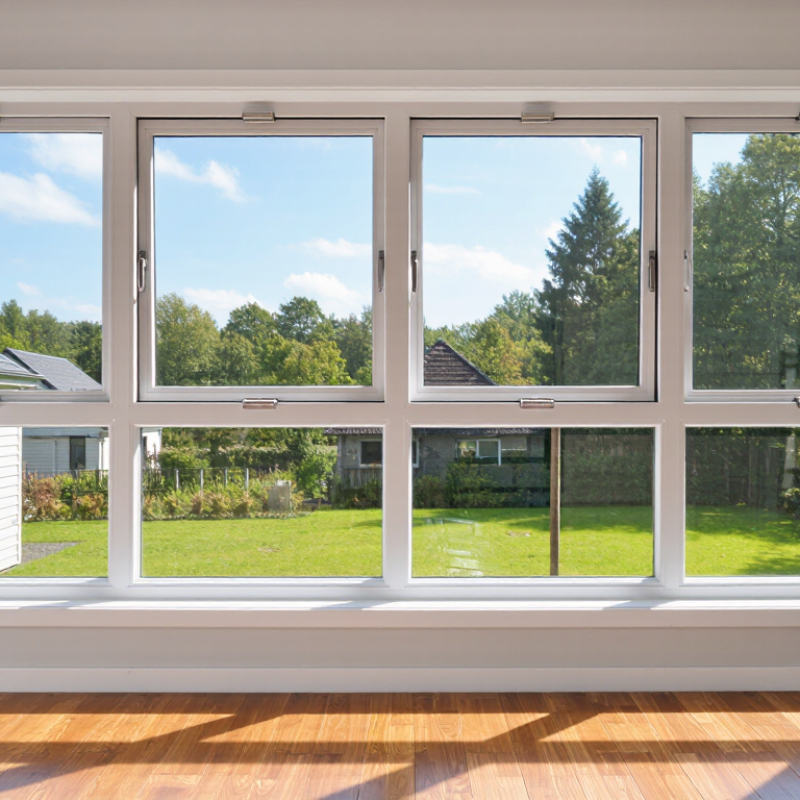
A double-hung window has two vertically stacked sashes, and both usually slide up or down within the frame. The upper sash can open while the lower sash stays shut, or the reverse. Many modern models tilt inward for indoor glass cleaning, though tilt features are not universal. Balances or springs inside the frame help hold each sash in place. The name sounds technical; the motion is simple. This design offers flexible ventilation without swinging a sash into a room or onto a porch.
Opening both sashes slightly can encourage air movement: warmer indoor air may leave through the upper opening as cooler air enters below. Actual airflow depends on wind, temperature, and room layout. Performance also depends on glass, seals, frame material, and installation—not sash style alone. The U.S. Department of Energy’s Energy Saver guidance estimates that heat gain and loss through windows account for about 25–30% of residential heating and cooling energy use. That is a useful reference, not a promise that replacing one window will cut bills by that amount. Compare whole-window U-factor and air-leakage ratings; the National Fenestration Rating Council label provides standardized performance information. A small detail, but easy to overlook: old or poorly adjusted sashes can still leak.
How Double Hung Windows Operate
How Double Hung Windows Operate
A double hung window has two vertically sliding sashes, the framed sections that hold the glass. On many models, either sash can move: raise the lower sash to open the bottom, or lower the upper sash to open the top. The sashes travel in side channels, while spring balances or other counterbalance systems help support their weight. When working smoothly, a sash stays near the position where you leave it. It takes practice.
Opening both sections can help air move through the room. Warm air may escape through the upper opening while cooler air enters below, though the actual airflow depends on the room and weather. To close the window, slide each sash into place and secure the lock where the rails meet. Some designs also let the sashes tilt inward for cleaning, but the release method varies. Check the window’s instructions before tilting it, and support the sash as you do so. Small details matter. If a sash feels heavy, sticks, or will not stay raised, avoid forcing it; dirt in the tracks or a worn balance may be the cause. A quick look at the channels and hardware can reveal simple buildup, but persistent problems may need a qualified repair.
Key Benefits for Homeowners
Double-hung windows offer practical control over everyday ventilation. Open the lower sash to bring in cooler air, or raise the upper sash to let warm air escape. Open both slightly for airflow without leaving one large opening. That flexibility matters. Many models also tilt inward, making it easier to clean exterior glass from inside—a welcome detail on upper floors.
Their familiar proportions suit many home styles, while independently moving sashes let homeowners adjust airflow around furniture, curtains, or changing weather. Some trade-offs deserve attention. Older or poorly fitted units can develop drafts, and worn sash balances may make the panels hard to move. Frame material, glass performance, installation quality, and regular seal checks all affect comfort; the window style alone cannot guarantee lower energy bills.
Replacement figures offer useful context, though they do not measure double-hung windows specifically. Remodeling magazine’s 2024 Cost vs. Value Report estimated a 67.1% cost recoup for a typical vinyl window replacement project and 62.9% for wood. These are national averages, not promises of resale value. Choose based on your home’s needs, and check that both sashes move smoothly and lock securely before signing off on installation.
Why Choose Double-Hung Windows? Key Benefits for Homeowners
A double-hung window has two operable sashes, while a single-hung window has one. Being able to open either sash gives homeowners more options for directing ventilation.
The chart shows the standard number of operable sashes for each window type; it is not a measure of airflow or energy performance.
Factors to Consider Before Choosing Them
Why Choose Double Hung Windows for Your Home?
Factors to Consider Before Choosing Them
Before choosing double-hung windows, check how their moving sashes fit your daily routine. Both sashes can open, which helps release warm air near the ceiling while drawing cooler air inside. But airflow depends on room layout, screens, and outdoor conditions. In a small bedroom, opening both sashes may still feel underwhelming. Try picturing the window in use, not just admiring its divided glass.
Energy performance deserves close attention. The U.S. Department of Energy estimates that heat gain and loss through windows account for 25–30% of residential heating and cooling energy use. Compare the window’s U-factor and Solar Heat Gain Coefficient on its National Fenestration Rating Council label. Lower U-factor generally means better insulation; the right solar-gain rating depends on climate and window direction. Ratings matter. So does installation: gaps around the frame can undermine an efficient product. Ask how the opening will be sealed, and check whether the installer will inspect the surrounding framing.
Consider weight, reach, and upkeep, too. Older users or children may find heavy sashes difficult to lift, even when the balance system works properly. Tilt-in sashes can make exterior glass easier to clean, but not every model tilts the same way. Look closely at locks, weatherstripping, and replacement-part availability. Small details. They affect years of everyday use.
Comparing Double Hung Windows With Other Styles
When comparing window styles, I look at airflow, cleaning, weather exposure, and daily handling. Double hung windows open from the top, bottom, or both sashes. That flexibility helps in bedrooms where warm air gathers near the ceiling. A tilted sash can also be cleaned from inside, which matters on a second floor. Casement windows usually open wider and catch cross breezes more effectively. However, their projecting panels need clearance from shrubs, walkways, and outdoor furniture. In a narrow side passage, a double hung design often feels less intrusive.
Sliding windows move horizontally and suit wide openings, but only part of the frame opens. Their tracks can collect grit, especially near patios or dusty roads. Picture windows provide excellent views and daylight, yet they cannot ventilate a room. I have seen homeowners pair a fixed center window with smaller double hung units. That arrangement brings light without sacrificing fresh air. It is practical, though the divided sightline may not suit every interior. A contractor should check rough-opening sizes, sill drainage, and local wind conditions before recommending any style.
Double hung windows are not automatically the best choice. Their balance mechanisms can need adjustment, and cheaper units may become stiff after years of use. I once underestimated that issue in a humid room. The lower sash dragged against the frame. A better inspection would have caught it. Compare frame materials, glass ratings, locks, and warranty terms, then test the handles yourself. Small details matter. A window that opens easily on a rainy evening is more useful than one chosen only for appearance.