Vinyl sliding doors can brighten a room, open a view, and save space where a hinged door would feel awkward. But the right choice is not just about appearance. Frame strength, glass performance, smooth operation, and installation quality all affect comfort over time. A door that glides beautifully in a showroom may feel different beside a drafty patio or under direct afternoon sun.
This guide introduces seven practical checks for comparing vinyl sliding doors, from frame construction and energy ratings to locks, screens, and warranty details. Look closely at the samples. Run the panel along its track. Check how the lock engages. Small details matter. So does the installer’s plan for measuring and sealing the opening. Even a well-made door can disappoint if fitted poorly.
A real expert quotation needs a verifiable source. Since none was provided, the line below is an editorial placeholder, not a sourced statement: “A sliding door should move smoothly, seal tightly, and suit the home’s everyday use.” — [Expert name], fenestration specialist. Replace it with an approved quotation before publication. The advice here is a starting point, not a substitute for checking product specifications and discussing the opening with a qualified installer. Some details are easy to overlook until the first cold, windy evening.
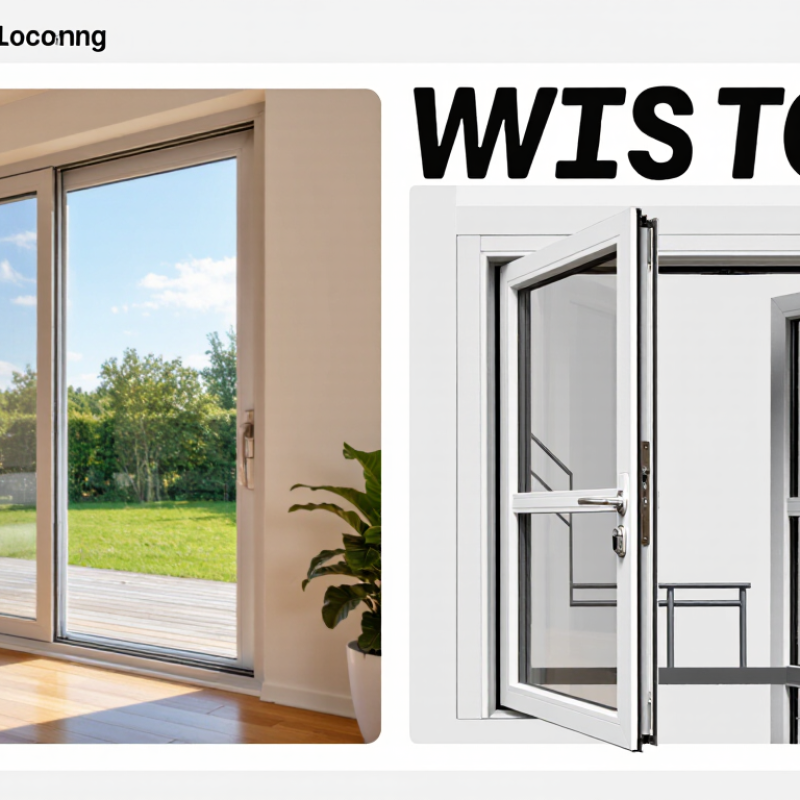
Start with the opening, not the catalog. Measure its width and height at the top, middle, and bottom; older openings can be slightly out of square. Use the smallest readings when checking fit, then compare them with the door’s stated frame dimensions. Measure twice. Include trim, flooring, and sill height in your notes. Even a small step can affect a stroller, rolling chair, or someone carrying groceries. A sliding door saves swing space, but its panels still need room to stack beside the opening. Check nearby walls, furniture, curtains, and exterior walkways.
Think about how the doorway works on an ordinary day. Is it a busy route to a deck, or opened only for fresh air? Frequent use favors a smooth track, reachable handle, and glass suited to your climate and privacy needs. If children, pets, or mobility concerns are part of the household, test handle height and threshold clearance in person. That matters. Before ordering a replacement, look for softness, leaks, or uneven movement in the existing frame. A new panel won’t fix a damaged opening. Measurements can still be imperfect, especially in older homes. Photograph the opening and verify final dimensions against the product specifications or with a qualified installer.
When comparing vinyl sliding doors, look beyond the frame’s color and profile. Check that corner joints are tight and even, with no visible gaps or rough edges. Ask how the frame is reinforced, especially for a wide opening where the glass adds weight. A sample corner can reveal more than a glossy brochure. Also inspect the track and drainage openings; debris can collect there if the design is difficult to clean.
Tip: Compare frame samples in daylight. A white finish may look warmer beside cream walls, while a dark finish can make narrow frames feel more prominent. Review the sightline width, grid patterns, and handle placement against your room and view. Small details matter. I might be tempted to choose the slimmest profile, but less visible frame is not automatically better if stiffness or ease of operation suffers.
Ask for performance information that applies to the exact door size and configuration, not just a general product range. Check the weatherstripping, locking points, and available glass options alongside the frame. If possible, slide a display unit several times and listen for scraping or rattling. One test is not proof of long-term performance, though. Compare written specifications, inspect the finish closely, and weigh the design against the opening’s practical needs.
Tip: Inspect the glass specification before comparing frame colors or handle styles. A wide sliding panel can feel cold beside a sofa on a winter morning. The U.S. Department of Energy’s Energy Saver guidance estimates that windows account for 25–30% of home heating and cooling energy use. That makes glazing worth careful attention.
Compare the National Fenestration Rating Council label. Its U-factor indicates heat transfer; lower values generally mean better insulation. The solar heat gain coefficient shows how much solar heat enters. In sunny rooms, a lower SHGC may help limit afternoon overheating. Low-emissivity coatings and gas-filled panes can also improve performance. Still, numbers can mislead. Climate, orientation, and shade matter.
Tip: Check seals with your hands and eyes. Look for continuous weatherstripping around the meeting rails and frame, with no gaps at the corners. Ask how the door drains rainwater, and inspect the sill for clear drainage paths. A tight seal is useful, but a poorly installed door can still admit drafts. Ask the installer how the frame will be shimmed, fastened, and sealed; details vary by wall and opening.
Test the sliding panel several times before choosing a vinyl door. It should glide evenly, without scraping or jumping in the track. Listen closely. Check the rollers, track, and drainage openings for damage or blockage. Lock the door from inside and tug gently at the panel. A secure lock should engage fully; ask about anti-lift features that help prevent the panel from being raised out of its track. Inspect the handle, too. A stiff lock can become an everyday frustration, even when the door looks sturdy.
Installation matters as much as the unit. U.S. Department of Energy Energy Saver guidance estimates that air leaks can account for 25% to 40% of a typical home’s heating and cooling energy use. That estimate applies to the home overall, not sliding doors alone. Still, request careful measurements of the rough opening and ask how the sill, flashing, and perimeter gaps will be sealed. Check the National Fenestration Rating Council label for the door’s U-factor and solar heat gain coefficient, then compare ratings suited to your climate. Confirm who handles shimming, drainage, and final lock testing. I would not assume a perfect fit from a showroom sample; older openings can be out of square.
Price tags rarely tell the whole story. Compare written quotes for the same door size, glass type, screen, hardware, delivery, and installation work. A lower quote may omit trim or disposal, while another includes them. Check whether taxes and future service visits are listed separately. Small details change the real cost.
Read the warranty before you pay. Look for separate coverage periods for the vinyl frame, insulated glass, rollers, and locks. Check exclusions, transfer rules, and whether labor is covered, too. Get it in writing. A long warranty can still leave you paying for a technician’s visit or replacement labor. That matters.
Manufacturer support is part of the purchase. Ask who handles a sticking panel, fogged glass, or a damaged screen, and how quickly parts are usually available. Keep the quote, warranty, and installation notes together. If the salesperson cannot explain the claim process clearly, pause and contact the manufacturer directly. I would compare the answers, not just the promises; response times can be hard to verify before a problem occurs. A quick call now can reveal whether help comes from a real service team or a general inbox.
| Tip | What to Compare | Useful Facts and Checks | Questions to Ask |
|---|---|---|---|
| 1 | Compare complete prices | Request itemized quotes that specify the same door size, panel and glass configuration, hardware, screens, delivery, removal of the old door, installation, and disposal. A product-only price is not directly comparable to an installed price. | Does the quote include measurement, installation, trim or flashing work, taxes, and cleanup? Which items could add to the final price? |
| 2 | Match the opening and configuration | Compare the stated frame dimensions, handing (which panel opens and from which side), number of panels, and rough-opening requirements. These details affect fit, usable access, and whether quotes describe equivalent products. | Who verifies the opening measurements? Are the quoted dimensions the frame size or the required rough-opening size? |
| 3 | Check energy ratings | Compare the whole-unit U-factor and solar heat gain coefficient (SHGC) for the exact size and glass option. U-factor measures heat transfer; a lower value indicates less heat transfer. SHGC measures solar heat admitted; the appropriate value depends on climate, orientation, and comfort goals. Look for ratings listed by the National Fenestration Rating Council (NFRC). | Are the figures for the complete door, including its frame, and for the quoted glass package? Is the product certified for the applicable local requirements? |
| 4 | Review glass and safety options | Ask whether the quote includes double-pane glass, low-emissivity (Low-E) coating, gas fill, or other options, and compare the resulting ratings rather than assuming an option guarantees a particular level of performance. Safety-glazing requirements depend on the location and applicable building code. | Which glass features are included in the base price? Does the intended installation location require safety glazing under local code? |
| 5 | Read the warranty in writing | Warranty coverage and duration vary by product and seller. Check separately for the frame, insulated-glass seal, hardware, screens, and labor. Review exclusions, claim deadlines, transferability, and whether coverage changes after the first year. | Can you provide the complete warranty before purchase? Who handles a claim, and are removal, shipping, replacement parts, and labor covered? |
| 6 | Assess manufacturer support | Check whether support is available directly, how claims are submitted, and whether replacement parts can be identified using the product label or order details. Keep the receipt, warranty, installation record, and product identification information together. | Who is the contact for technical questions and warranty claims? What details or photos are required, and how are replacement parts ordered? |
| 7 | Verify installation and operation | Correct installation, flashing, drainage, and adjustment are important to door performance. Before accepting the work, operate the panel, check the lock and screen, and look for visible damage or gaps. Follow the product’s care and maintenance instructions. | Is installation performed by a qualified installer, and is workmanship covered separately? Who should be contacted if the door sticks, leaks, or will not lock? |
Thank you!
We will be posting information soon