2026 Top Trends in Exterior Sliding Doors What You Need to Know?
As we approach 2026, the trends in exterior sliding doors are evolving. These doors play a crucial role in modern architecture, connecting indoor and outdoor spaces. Homeowners seek doors that enhance aesthetics and functionality. The demand for energy-efficient solutions is also on the rise.
Innovative materials and designs are gaining popularity. Homeowners prefer sliding doors that are not only visually appealing but also durable. The choice of glass and frame can significantly impact the overall look of a home. However, some may struggle with the maintenance of these doors.
Understanding these trends is essential for making informed decisions. Exterior sliding doors should reflect personal style and meet practical needs. With a mindful approach, homeowners can enhance their living spaces while embracing modern innovations.
Emerging Materials for Exterior Sliding Doors in 2026
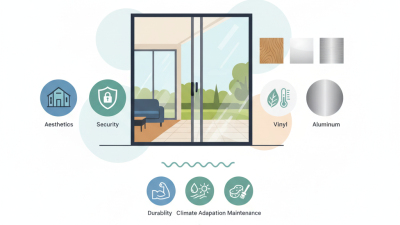
The world of exterior sliding doors is evolving rapidly. In 2026, homeowners will see innovative materials that enhance functionality and aesthetics. One emerging trend is the use of fiberglass, known for its durability and energy efficiency. Unlike traditional wood, fiberglass resists warping and is less susceptible to weather damage. This makes it a strong contender for modern designs, blending strength with style.
Another notable material is aluminum. It's becoming popular due to its lightweight nature and minimalist appeal. Aluminum frames can support large glass panels, creating vast openings for natural light. However, it may conduct heat, so good insulation is essential. Homeowners need to balance aesthetics and energy efficiency in their choices.
Vinyl is also making a comeback. Resistant to fading, cracking, and moisture, it requires little maintenance compared to wood or metal. Vinyl doors offer colors that won't peel or fade, adding to their appeal. Yet, some may find them less visually striking than wood or aluminum options. It’s important to weigh pros and cons before making a decision.
Innovative Designs and Aesthetics of Sliding Doors
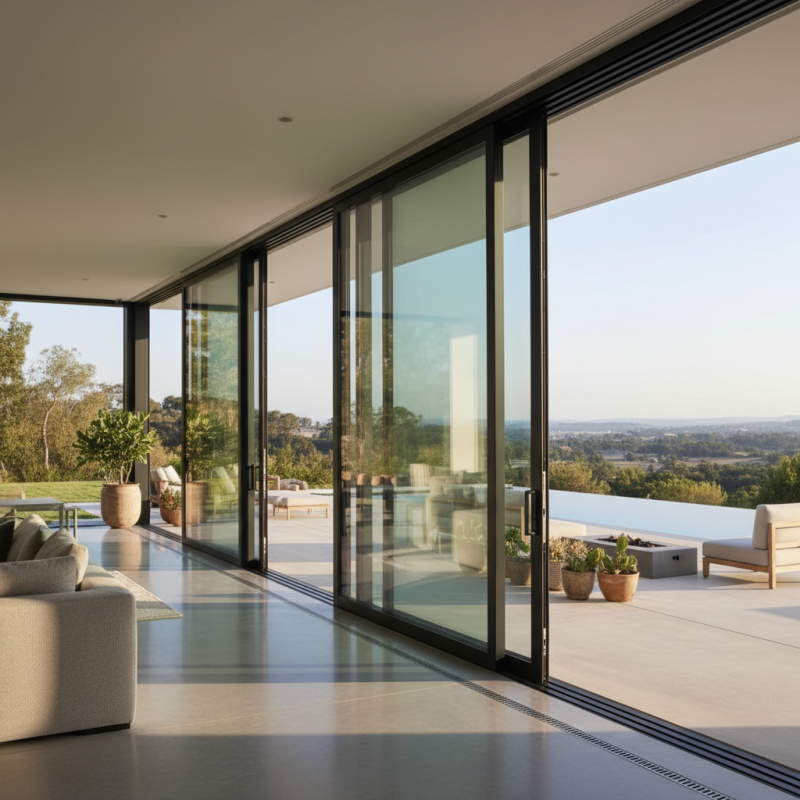
Sliding doors have evolved significantly in recent years. They now offer many innovative designs that cater to various aesthetic preferences. These doors can enhance open spaces, allowing natural light to flood in while providing a seamless transition between indoors and outdoors. Many homeowners now opt for styles that incorporate intricate patterns or textured glass, adding character to their homes.
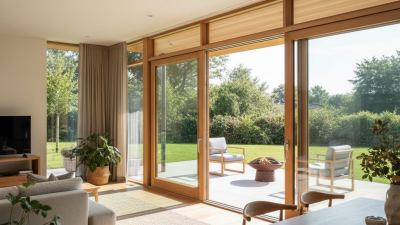
Another trend is the use of sustainable materials. Manufacturers are focusing on eco-friendly options that not only look good but are also durable. The use of aluminum frames with wood finishes creates a modern yet warm feel. However, striking the right balance between design and functionality can be challenging. Some homeowners might overlook the importance of thermal efficiency, which can affect energy costs in the long run.
Customization is essential in today’s market. Buyers can choose colors, sizes, and finishes that best suit their homes. Yet, this vast array of options can become overwhelming. Selecting the perfect sliding door requires careful consideration of both design and practicality. Reflecting on one’s needs versus desires can ensure that the chosen door enhances the overall home aesthetic while being functional.
Energy Efficiency Trends in Sliding Door Technology
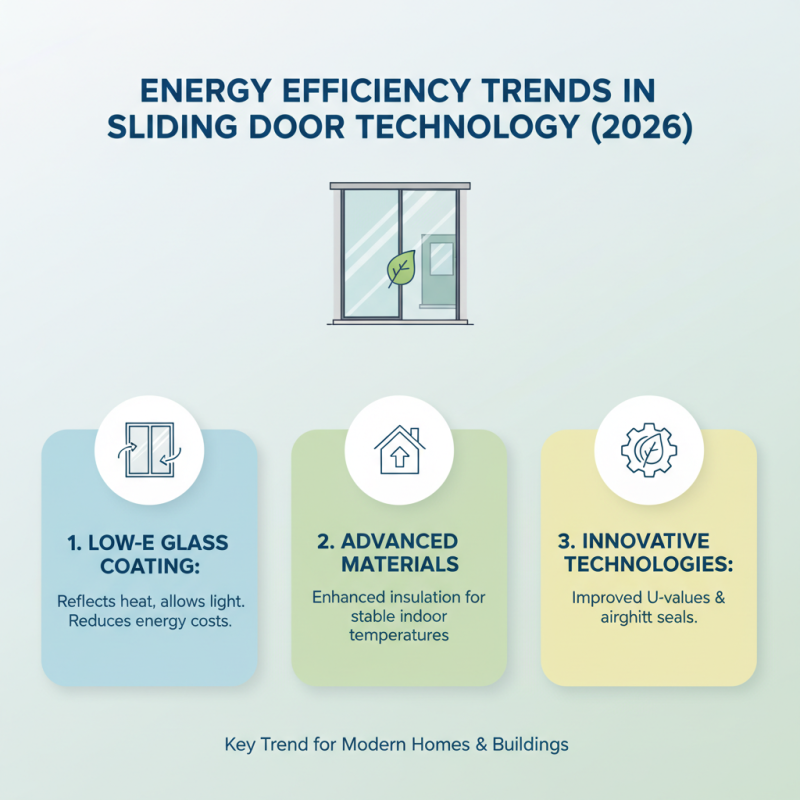
When considering sliding doors in 2026, energy efficiency stands out as a key trend. Advanced materials and technologies boost the insulation properties of sliding doors. Innovations include low-E glass, which reflects heat while allowing light. This coating helps maintain indoor temperatures, reducing energy costs.
Tips: Look for doors with a high R-value for better insulation. This helps save energy and enhances comfort. Also, check for certifications like ENERGY STAR that can ensure you're choosing energy-efficient products.
The design also plays a role in energy efficiency. Sleek profiles and tight seals prevent air leakage. However, aesthetic choices may sometimes compromise performance. It’s important to balance beauty and functionality.
Tips: Prioritize energy ratings when selecting sliding doors. Evaluating life cycle costs can help make a wiser investment in both aesthetics and energy savings. Regular maintenance also ensures optimum performance.
Sustainability Considerations for Modern Sliding Door Solutions
When considering modern sliding door solutions, sustainability emerges as a crucial factor. Homeowners increasingly prefer materials that minimize environmental impact. Features such as energy-efficient glazing and recyclable materials significantly enhance sustainability. These choices not only conserve energy but also reduce your carbon footprint.
Tips for choosing sustainable sliding doors:
- Look for doors made from reclaimed wood or recycled aluminum.
- Select energy-efficient glass options to reduce heating and cooling costs.
Sustainable designs also promise
longevity. However, not all eco-friendly options are equal. Some materials might require frequent replacement, negating their initial benefits. Conduct thorough research to find sustainable options that balance durability and environmental responsibility.
Remember, investing in
sustainable solutions can lead to
long-term savings. It's essential to weigh the costs against potential benefits. Making informed decisions can ensure your sliding doors align with both your aesthetic and environmental goals.