Why Choose Slab Tile for Your Next Home Project?
Choosing Slab Tile for your next home project can elevate the aesthetic and functionality of your space. According to the latest industry reports from the National Tile Contractors Association, slab tiles are gaining popularity due to their durability and versatility. These tiles can seamlessly integrate in both residential and commercial environments, making them a preferred choice among architects and designers.
Mike Smith, a leading expert in the tile industry, states, "Slab tile offers an unparalleled combination of beauty and practicality." This sentiment reflects the current trend, as more homeowners seek materials that not only look good but also stand the test of time. The low maintenance required for slab tiles is a significant factor for busy households.
While the initial cost may seem high, the long-term benefits can outweigh this issue. Investing in quality slab tiles means fewer replacements and repairs down the road. However, the complexity of installation can pose challenges for DIY enthusiasts. Therefore, consulting with professionals can help ensure a successful outcome. As the market for slab tiles continues to grow, it’s essential to weigh these factors carefully in your home improvement decisions.
Benefits of Slab Tile in Home Renovation Projects
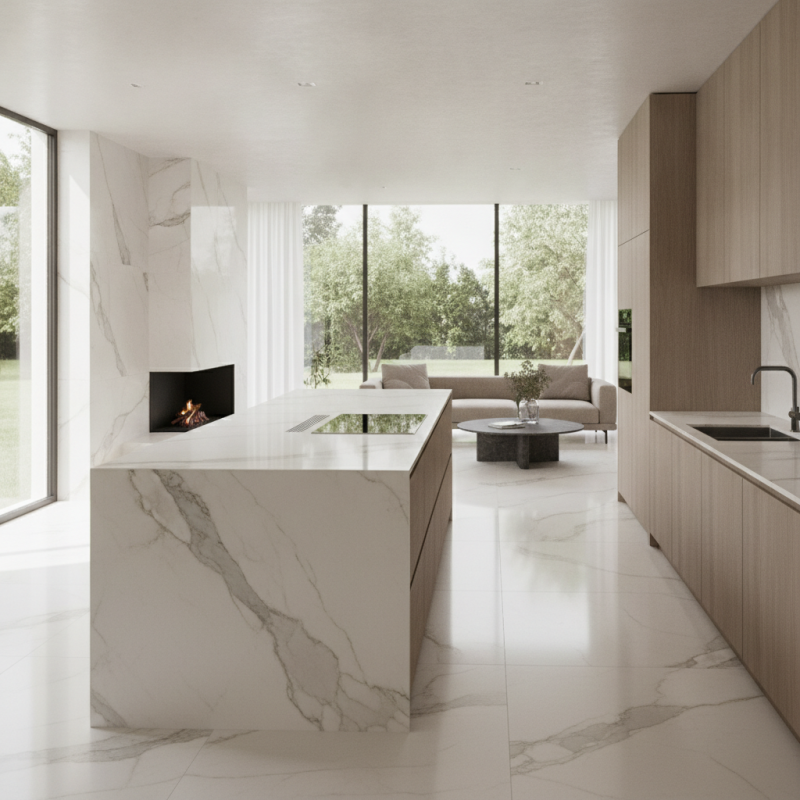
Slab tile has become increasingly popular in home renovation projects. Its large format creates fewer seams, resulting in a cleaner and more modern look. This feature not only enhances aesthetics but also simplifies maintenance. Less grout means less scrubbing and easier cleaning. Homeowners appreciate how slab tiles can transform a space quickly and effectively.
Beyond appearance, these tiles offer durability and versatility. Made from materials like porcelain or natural stone, slab tiles resist wear and tear. They can withstand high traffic areas, making them ideal for kitchens and entryways. However, the weight of slab tiles can be a concern. Proper installation is crucial to ensure safety and longevity. Hiring a skilled professional often leads to better results.
Moreover, slab tiles come in various designs and finishes. This variety allows for personal expression in home décor. Textured options can add depth, while polished surfaces create a contemporary vibe. Yet, choosing the right style can be overwhelming. Homeowners may struggle to visualize how a certain tile will look in their space. It’s essential to consider both functionality and design when making a selection.
Durability and Maintenance: Why Slab Tile Stands Out
Slab tile is an excellent choice for homeowners focused on durability and low maintenance. These tiles are exceptionally strong, resistant to scratches, and handle heavy foot traffic well. Unlike traditional tiles, slab tiles are less prone to chipping and cracking. Their robust nature makes them ideal for high-use areas, like kitchens and entryways.
Maintaining slab tile is relatively easy. With proper installation, they require minimal care. Simple sweeping and occasional mopping keep them looking fresh. Unlike other materials, slab tiles do not need sealing, which can save both time and money. However, one should use appropriate cleaning products to avoid damaging the surface. Neglecting this step can result in dull tiles.
On the downside, slab tiles can be cold underfoot, especially in winter. Some may find this uncomfortable without added rugs or heating solutions. Installation can also be tricky, necessitating skilled professionals for the best outcome. Every decision has its trade-offs, and choosing slab tiles encourages thoughtful consideration of your home’s needs.
Cost Comparison: Slab Tile vs. Traditional Flooring Options
When choosing flooring, cost is a primary concern. [Image] Slab tile presents an interesting financial alternative. According to a 2020 industry report, slab tile often costs between $5 to $15 per square foot. In contrast, traditional flooring options such as hardwood or carpet can range from $3 to $12 per square foot. However, installation and maintenance fees raise traditional options’ total costs significantly.
One key advantage of slab tile is its durability. It resists scratches and stains better than many traditional materials. This leads to lower maintenance costs over time. An estimate by the National Association of Home Builders suggests that maintenance on hardwood floors can exceed $1,000 within a decade. Slab tile, requiring less upkeep, may not incur these expenses, providing long-term value.
Yet, aesthetic appeal matters too. Some people find slab tile cold and uninviting. Traditional wood floors often create warmth and charm. If you're considering resale value, the preference for natural materials can influence buyer decisions. Reports indicate that homes with natural hardwood floors may sell for 2.5% more than those with tile. Balancing cost and aesthetic is essential for a successful renovation.
Design Versatility: Aesthetic Appeal of Slab Tile
Slab tile offers remarkable design versatility, making it an excellent choice for homeowners. Its large format creates a sense of space. According to recent reports, 74% of architects prefer slab tile for modern aesthetics. The uniform look allows for seamless installations, which can amplify natural light in a room.
Slab tiles come in various materials like porcelain and natural stone. Textures vary, providing options for both sleek and rustic designs. A survey found that 68% of designers believe slab tile enhances the tactile appeal of surfaces. Homeowners often appreciate the ease of maintenance that many slab tiles offer.
However, choosing slab tile isn’t without challenges. Installation can be complex, requiring skilled labor. Improper installation may lead to cracking or uneven surfaces, which might frustrate homeowners. Additionally, the initial cost can be higher than smaller tiles. Balancing budget and aesthetics can be thought-provoking. Careful planning ensures maximum impact with minimal hiccups.
Sustainability Considerations: Eco-Friendly Aspects of Slab Tile
Slab tile stands out as a sustainable choice for home projects. Made from natural materials, it reduces the impact on the environment. Unlike many synthetic options, slab tile is durable and often lasts for decades. This longevity means fewer replacements over time, lowering overall waste.
Furthermore, slab tile often has a low carbon footprint. Many production processes now focus on eco-friendly techniques. This approach includes using recycled materials and minimizing water use. Choosing slab tile may contribute to energy conservation in heating and cooling. Its thermal mass properties can help regulate indoor temperatures naturally.
However, there are challenges to consider. Not all tiles are created equally. Some may still carry a higher environmental cost in their transportation. It's crucial to source tiles locally whenever possible. Reflecting on the overall life cycle of the tile can lead to more informed choices. Understanding these nuances allows homeowners to appreciate slab tile's value beyond aesthetics.