What is Transparent Tarpaulin and Why Should You Use It?
Transparent Tarpaulin is an innovative material gaining popularity across various industries. Renowned expert Dr. Emily Hartman, a leading researcher in sustainable materials, emphasizes its importance. She states, “Transparent tarpaulin allows for visibility and protection, making it essential for modern applications.” This statement captures the essence of why we should consider using transparent tarpaulin.
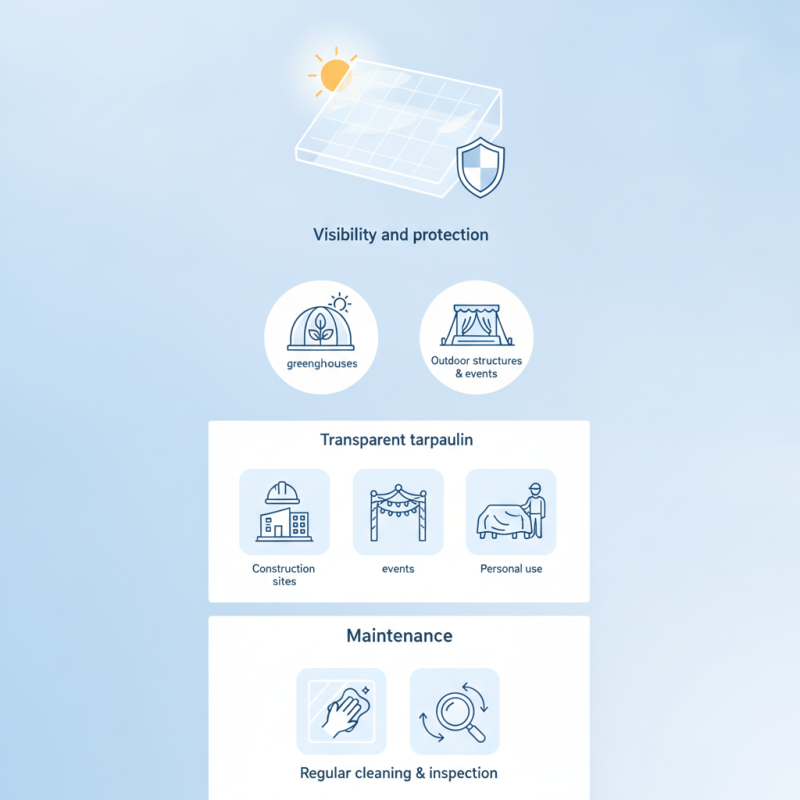
This versatile material provides a unique combination of durability and transparency. Its ability to block harmful UV rays while allowing natural light to filter through makes it a preferred choice for greenhouses and outdoor structures. Transparent tarpaulin is also used in construction sites, events, and even for personal use, showcasing its broad applicability.
Yet, while transparent tarpaulin offers numerous advantages, some users may overlook its maintenance needs. Regular cleaning and inspection are crucial to ensuring its longevity and performance. As with any material, understanding its limitations will enhance its effectiveness. Transparent tarpaulin not only protects but contributes to creating spaces that are functional and inviting.
Definition of Transparent Tarpaulin and Its Key Features
Transparent tarpaulin is a versatile and functional material used in various applications. It is made from high-quality polyethylene that provides excellent durability and weather resistance. This material allows for natural light to penetrate while protecting against UV rays, which is a significant benefit for outdoor use. According to industry research, the global tarpaulin market is projected to reach $3 billion by 2027, highlighting the growing popularity of transparent tarpaulin among consumers and businesses alike.
One of the key features of transparent tarpaulin is its flexibility. It can be used for construction, agriculture, or even as temporary shelters. Experts note that products made from transparent tarpaulin can withstand extreme weather conditions, withstanding temperatures from -30°C to +70°C. This durability translates to a longer lifespan, potentially reducing replacement costs. Some users also appreciate its eco-friendly nature, as many transparent tarpaulins are made from recyclable materials.
However, not all transparent tarpaulins meet quality standards. There can be notable differences in clarity and strength between products. It’s essential to evaluate the specific needs of each application before making a choice. While the advantages of transparent tarpaulin are clear, ensuring the right specifications is critical for optimal performance, warranting careful consideration and research.
What is Transparent Tarpaulin and Why Should You Use It?
| Feature | Description |
| Material | High-density polyethylene (HDPE) or PVC |
| Transparency | Allows natural light to pass through, making it ideal for greenhouse and outdoor applications |
| UV Resistance | Protects against harmful UV rays, extending the lifespan of the tarp |
| Weather Resistance | Resistant to rain, snow, and wind, suitable for outdoor use |
| Applications | Used in agriculture, construction, camping, and outdoor events |
| Maintenance | Easy to clean and maintain; can be wiped down or hosed off |
Common Materials Used in Transparent Tarpaulin Production
Transparent tarpaulins are made from various materials that significantly influence their durability and applications. One common material is polyethylene, known for its resilience. According to industry reports, polyethylene transparent tarps exhibit high tear resistance, making them suitable for heavy-duty use. This type of tarpaulin can withstand extreme weather conditions, which underscores its utility in agricultural, construction, and outdoor settings.
Another material frequently used is PVC (polyvinyl chloride). PVC tarpaulins are praised for their excellent UV resistance. Studies suggest that PVC tarps maintain clarity and strength even after extended exposure to sunlight. This quality is vital for applications like greenhouse covering, where light penetration is crucial for plant growth. However, some experts note that PVC production raises environmental concerns, prompting a shift towards more sustainable materials.
In addition to these, some manufacturers are exploring composite materials for transparent tarpaulins. These blends often combine polyethylene and PVC, aiming to create a product with the benefits of both. This approach could enhance performance but also complicate recycling processes. Thus, while innovation is necessary, it is essential to consider the impacts on sustainability as the industry evolves.
Applications of Transparent Tarpaulin Across Various Industries
Transparent tarpaulin has gained traction across various industries for its versatility. Its clarity allows light transmission, making it ideal for applications like construction sites and greenhouses. A report from the International Plastics Association highlights that the demand for transparent tarpaulin is expected to grow by 7% annually through 2025. This growth indicates how industries are increasingly relying on such materials for both functionality and aesthetic appeal.
In agriculture, transparent tarpaulin is essential for creating controlled environments. Farmers utilize it in greenhouses to trap heat and protect crops from harsh weather. A study from the Agricultural Research Institute reveals that using transparent tarps can increase crop yield by up to 15%. In the event of unexpected weather changes, relying on transparent coverage becomes a necessity, yet some farmers report challenges in maintaining durability over time. The marine sector also employs transparent tarpaulin for boat covers and canopies, adding an extra layer of protection against UV rays.
The construction industry benefits from transparent tarpaulin as well. It helps safeguard construction sites while allowing visibility. However, professionals sometimes face issues with the longevity of the materials used. While transparency is advantageous, it can also lead to potential security risks for sensitive sites. Employing transparent tarpaulin requires a balance between clarity and protective qualities, often prompting companies to reassess their choices based on specific needs.
Advantages of Using Transparent Tarpaulin Over Traditional Options
Transparent tarpaulin is gaining popularity due to its unique features. It offers benefits that traditional tarps often lack. For example, it allows light to pass through while providing protection. This is crucial for greenhouse applications. Plants receive sunlight, promoting growth while being shielded from rain and wind.
Using transparent tarpaulin can enhance visibility. This is particularly useful in construction or outdoor events. Workers can see their surroundings clearly, which can improve safety. It also adds an aesthetic appeal when used in covers or tents. A well-placed transparent tarp can transform any space.
Tips: When choosing a transparent tarpaulin, consider its thickness. Thicker materials usually offer better durability. Always check for UV resistance; this can prolong its life in sunny conditions. Regular maintenance, like cleaning, helps to keep the tarp in good shape. While transparent tarps are effective, they can be prone to scratches. This can affect visibility over time. Reflecting on their usage regularly ensures they meet your needs.
Advantages of Transparent Tarpaulin Over Traditional Options
This chart illustrates the advantages of using transparent tarpaulin compared to traditional options based on various dimensions such as durability, weight, visibility, weather resistance, and cost efficiency. Each dimension is rated on a scale from 1 to 10, showcasing the superior benefits of transparent tarpaulin.
Maintenance and Care Tips for Prolonging Transparent Tarpaulin Lifespan
Transparent tarpaulin is a versatile material used in various applications. To keep it in top shape, maintenance is crucial. Regular cleaning can prevent dirt buildup, which may reduce its transparency and lifespan. A gentle solution of soap and water works wonders. It’s essential to rinse thoroughly to avoid soap residue.
One effective tip is to store the tarpaulin in a cool, dry place when not in use. Exposure to extreme temperatures can degrade the material over time. According to a report by the International Organization for Standardization, proper storage may extend the tarpaulin's lifespan by up to 30%. It’s also wise to avoid contact with sharp objects, as they can puncture or tear the fabric.
Investing time in these simple maintenance tips pays off. Inspecting the tarpaulin regularly for signs of wear or damage can prevent bigger issues. A little attention can help preserve its clarity and strength. Remember, even durable materials need care to perform effectively.