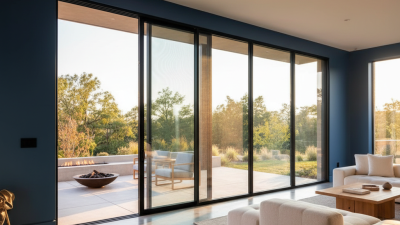
Top Door and Window Suppliers for Global Buyers?
Choosing a door window supplier for global projects is not just a price comparison. It is a decision about performance, documentation, and dependable communication. A polished catalogue can look reassuring. The details matter more: frame materials, glazing options, hardware, drainage design, and installation guidance. Ask suppliers for product specifications and test reports that match the destination market and intended use. Requirements differ by project, climate, and location.
Building-science expert Joseph Lstiburek is known for emphasizing moisture control in building assemblies. A fair paraphrase of his guidance is: “Plan water control with the window, not after it.” That principle also applies to supplier selection. Clarify how products manage rain, wind, condensation, and thermal movement. Request clear answers about packaging, lead times, replacement parts, and after-sales support. Small details count. A sample corner, gasket, or hardware finish can reveal more than a broad promise.
Global buyers should compare suppliers against the same checklist, then verify claims through documents and product samples. Look for consistent quality procedures and relevant third-party testing, while checking that reports cover the exact product configuration being offered. A supplier may be capable, yet still be a poor fit for a specific project. That is easy to miss. No shortlist is perfect, and a low quote can hide gaps in service or specification. The aim is not to find the loudest claim, but a partner whose evidence, products, and communication hold up under practical scrutiny.
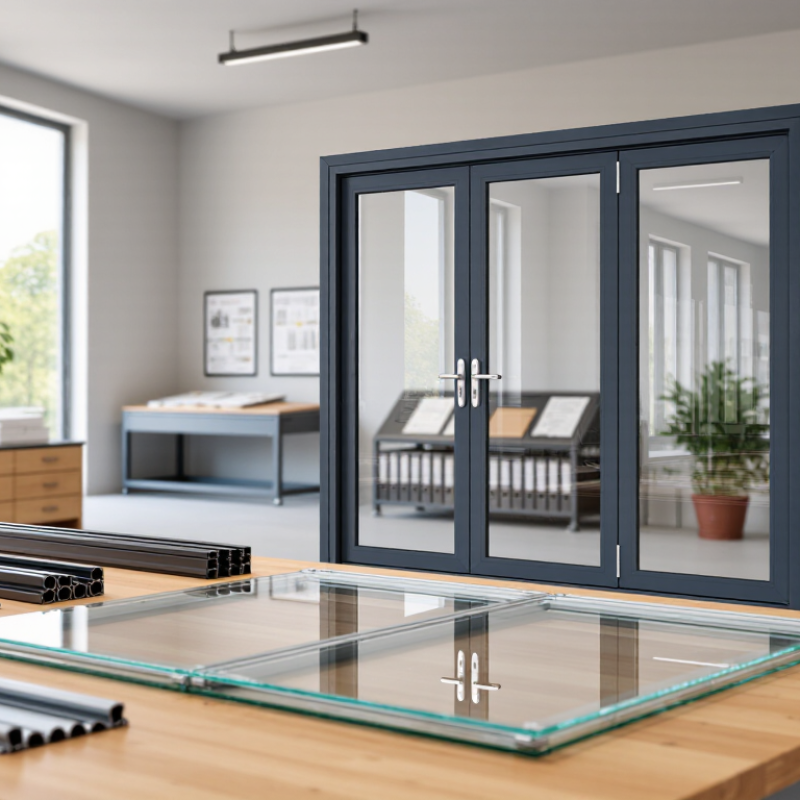
Global Door and Window Supplier Landscape
The global door and window supplier landscape is broad, but it is not uniform. Buyers compare manufacturers across aluminum, uPVC, timber, and composite systems. Product quality often depends on climate, installation skill, and hardware selection. A coastal project needs corrosion-resistant finishes and reliable drainage paths. A cold-region building may require low-emissivity glazing and thermally broken frames. These details matter more than attractive catalog images.
Experienced sourcing teams examine more than factory price. They request test reports for air leakage, water penetration, wind resistance, and thermal performance. They also verify whether reports match the proposed profile, glass package, and hardware. Factory audits can reveal storage problems, inconsistent sealing, or weak packaging. Ask for production samples before approving a large order. Small details matter. Check corner joints, gasket compression, screw alignment, and protective film.
Lead time, communication, and after-sales support shape the real supplier landscape. A lower quotation may become expensive when replacement parts arrive slowly. Clear drawings, approved color samples, and written tolerances reduce disputes. Yet no supplier performs perfectly in every market. An early comparison may favor price and overlook installation training. That shortcut can fail. Buyers should question elegant claims, compare evidence, and leave room for local conditions. A dependable supplier explains limitations, not only advantages.
Main Product Types, Materials, and Applications
Global buyers typically choose among casement, sliding, tilt-turn, and fixed windows. Casement units open wide for ventilation, while fixed glazing suits bright spaces where airflow is unnecessary. Door options include hinged, sliding, and folding systems. A sliding patio door can save floor space, but its track needs regular cleaning. Small detail.
Common frame materials include aluminum, uPVC, timber, fiberglass, and steel. Aluminum supports slim frames and broad glass panels, though thermal breaks matter in cold or hot climates. Timber offers a warm interior finish but needs maintenance, especially in exposed locations. Fiberglass resists swelling and temperature changes, yet local repair options may be limited. The U.S. Department of Energy’s Energy Saver guidance estimates that heat gain and loss through windows account for 25–30% of residential heating and cooling energy use. Glazing and frame quality deserve close attention.
Applications change the specification. Coastal homes may need corrosion-resistant hardware; offices often prioritize daylight, acoustic comfort, and easy operation. The International Energy Agency’s 2023 buildings analysis attributes about 30% of global final energy demand to buildings, making envelope performance relevant to buyers. Still, a high-performance rating cannot fix poor installation. Ask suppliers for tested thermal data, glass build-ups, hardware details, and installation guidance. Specifications can look tidy on paper; site conditions are messier.
How to Evaluate Supplier Quality and Certifications
For global buyers, supplier quality is more than a clean sample or an attractive quotation. Check whether test reports match the exact window or door configuration, including frame material, glass, hardware, and dimensions. The U.S. Department of Energy’s Energy Saver guidance estimates that windows account for 25–30% of residential heating and cooling energy use. That makes documented thermal performance worth examining, not merely a sales claim. Ask for air-leakage, water-penetration, and structural-load results from a qualified testing body.
Certifications need careful reading. Confirm the issuing organization, certificate number, validity period, and covered product range directly with the issuer where possible. A certificate for one model may not cover a similar-looking model with different glazing or frame details. Quality-management certification can indicate documented factory processes, but it does not prove that a specific product meets performance requirements. Standards and accepted test methods also vary by destination market. A polished certificate can still leave questions.
Tips: Request the complete test report, not just a logo or certificate image. Match its model details to your purchase order, and ask how production samples are checked over time. If the supplier cannot explain a result plainly, pause and verify it.
Comparing Customization, Pricing, and Production Capacity
For global buyers, the best door and window supplier is rarely the cheapest option. Customization, pricing, and production capacity must work together. A supplier may offer slim frames, acoustic glass, thermal breaks, or unusual colors. However, every modification can affect tooling, lead time, and maintenance. Ask for sectional drawings, material specifications, and a physical sample. Small details matter, such as drainage holes, gasket quality, and handle placement. A polished catalog can hide production limits. I have seen impressive samples fail to represent regular factory output.
Tips: Request a clear quotation with separate costs for profiles, glass, hardware, packaging, and shipping. Confirm minimum order quantities and payment milestones. Check whether the quoted price includes testing, export packaging, and replacement parts. Compare like with like. A low price may exclude essential components.
Production capacity also needs careful verification. Ask for monthly output, current order volume, and realistic delivery schedules. Factory visits, video inspections, and independent quality checks provide stronger evidence than promises. Review test reports for air leakage, water resistance, wind pressure, and thermal performance. Verify that reports match the proposed product, not an older model. A supplier with flexible capacity may handle custom orders better, but rapid growth can weaken quality control. That risk deserves honest discussion. Allow time for prototype approval, pre-shipment inspection, and possible rework. Mistakes happen, and good suppliers document them instead of hiding them.
International Shipping, Installation, and After-Sales Service
For global buyers, a door or window supplier must offer more than a low unit price.
International shipping begins with accurate measurements, export-ready packaging, and clear Incoterms. Ask for packing photos, carton dimensions, gross weights, and loading plans before payment. A supplier should explain customs documents, product certificates, and cargo insurance clearly. Wooden crates may need approved treatment marks. Glass needs corner protection and visible handling labels. Small omissions can delay a container for days.
Installation is where many projects lose time.
Request detailed drawings, fixing methods, tolerance requirements, and drainage instructions. Confirm whether the supplier provides remote guidance, trained installers, or a local partner. A video call cannot replace site supervision in every building. Wall conditions, weather, and uneven openings often differ from the drawings. I once underestimated this risk. The products fit, but the prepared openings did not. Build a measurement check into the schedule. Keep signed records and photos before installation.
After-sales service should be measurable.
Ask for a named contact, response targets, spare-part availability, and warranty exclusions. Report defects with serial numbers, photos, and installation notes. Reliable suppliers investigate causes, not only replacement costs. They may send seals, rollers, or hardware quickly, while larger claims need documented inspection. Do not accept vague promises. A 48-hour reply is useful, but resolution matters more. Silence during a delay is a warning sign.