Choosing China’s top windows and doors suppliers for Barrie buyers requires more than comparing catalogue prices. Product quality, thermal performance, certification, and after-sales support all affect the final result. A factory may look impressive online, yet a cold January installation can reveal weak sealing, poor hardware, or incomplete documentation.
Natural Resources Canada reports that windows, doors, and skylights can account for up to 35% of a home’s heat loss. For homeowners searching for windows and doors barrie, this figure makes glazing and installation details commercially important. Low-E coatings, insulated frames, warm-edge spacers, and tested air leakage rates deserve careful attention. The ENERGY STAR Canada program also provides a practical reference for comparing energy-efficient products across Canadian climate zones.
China’s manufacturing sector offers broad customization, including triple glazing, thermally broken aluminium, fiberglass, and uPVC systems. Trade data from the General Administration of Customs of the People’s Republic of China shows the country’s continuing strength in manufactured building-product exports. However, export volume does not automatically prove supplier reliability. That assumption is too simple.
Professional buyers should review test reports, product drawings, warranty terms, and evidence of previous Canadian shipments. Standards such as CSA A440.4 and AAMA/WDMA/CSA 101/I.S.2/A440 can help define performance expectations, where applicable. Lead times also need realistic checking. Port delays, winter scheduling, and replacement-part availability can change the budget quickly.
There is no perfect shortlist.
This guide examines suppliers through a Barrie-focused lens, balancing factory capability with practical project risk. It also recognises an uncomfortable point: the cheapest quotation may become the most expensive decision after installation problems, customs complications, or service delays.
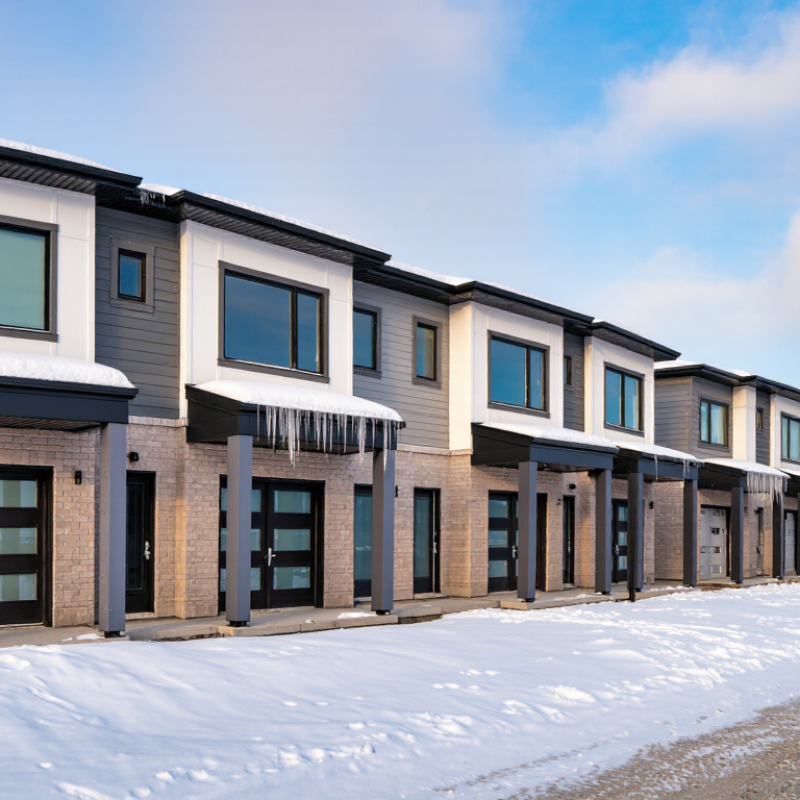
Barrie buyers need windows and doors built for sharp temperature swings, heavy snow, and humid summers. Freeze-thaw cycles can expose weak seals quickly. A suitable product should offer strong weather resistance, reliable drainage, and dependable insulation. Double glazing may suit some homes, but triple glazing often deserves consideration in exposed locations.
Local homeowners also care about indoor comfort. Cold glass near a sofa is more than an inconvenience. It may signal poor thermal performance or incorrect installation. Look for low air leakage, durable frames, warm-edge spacers, and suitable low-emissivity glass. Patio doors need smooth operation, secure multipoint locking, and tracks that resist ice and debris. Entry doors should include solid weatherstripping and an insulated core.
Supplier evaluation should go beyond attractive catalog images. Ask for tested U-values, air-infiltration results, water-penetration data, and installation guidance. Confirm that the products fit Ontario requirements and the project’s structural conditions. Experienced installers should inspect rough openings, sill levels, flashing, and surrounding insulation. Small errors there can undermine an expensive window.
Chinese manufacturers may offer useful customization and competitive production capacity. However, lead times, packaging, replacement parts, and communication require careful planning. One overlooked detail can delay an entire renovation. A perfect specification is rarely possible. Barrie buyers should review samples, warranties, drawings, and test documents before approving production.
For Barrie buyers, evaluating Chinese windows and doors starts with performance, not catalogue photos. I have learned that attractive frames can hide weak seals, unclear specifications, or poor installation guidance. Ask for tested U-values, air leakage results, water penetration data, and structural ratings. These figures should match the exact glass, frame, hardware, and dimensions you plan to order. Small changes matter. Barrie winters demand reliable thermal breaks, tight gaskets, and glazing suited to cold temperatures. Request samples before discussing a large shipment. Operate each handle. Inspect corners, drainage paths, welds, and screen fit. This hands-on step often reveals details that brochures miss.
Supplier credibility depends on traceable evidence. Review recent test reports from recognized laboratories, quality-control records, and dated production photographs. Confirm whether the factory controls extrusion, glass processing, assembly, and final inspection. If some processes are outsourced, ask who accepts responsibility for defects. A clear drawing approval process prevents costly misunderstandings. It should show opening direction, rough openings, mullions, hardware, finishes, and packaging. Also confirm that documentation supports local building requirements and permit discussions.
Communication is a practical evaluation tool. Send identical technical questions to several suppliers and compare accuracy, not just response speed. Ask how they handle cracked glass, missing hardware, color variation, and delayed deliveries. Written warranty terms should define coverage, exclusions, claim evidence, and replacement timing. Check packaging for long-distance transport, including corner protection and moisture control. One weakness is easy to overlook: installation support. A good product may still fail when instructions are vague. I would request a pilot order and inspect it through delivery and installation. No checklist is perfect. That extra step exposes assumptions before a full commitment.
This buyer-oriented scorecard emphasizes the factors most relevant to Barrie projects: documented Canadian code compliance, thermal and weather performance, manufacturing reliability, delivery capability, and after-sales support. The weighting is a practical procurement framework and should be validated against project specifications and local building requirements.
Barrie buyers can source several supplier categories from China, each suited to different project needs. Factory-direct manufacturers often produce aluminum, uPVC, timber, and hybrid windows at scale. Specialized fabricators may focus on lift-and-slide doors, folding systems, or oversized glazing. Trading companies can combine products, but their technical control may be less visible. Ask who designs, tests, packs, and supports the order.
Product selection should reflect Barrie’s cold winters, wind exposure, and changing humidity. Look for thermally broken aluminum frames, multi-chamber uPVC profiles, insulated glass, warm-edge spacers, and low-emissivity coatings. For doors, compare sliding, folding, hinged, and French configurations. Check threshold height, drainage paths, locking points, screen options, and accessible opening forces. Wood interiors can add warmth, while aluminum exteriors reduce maintenance. Every option has trade-offs.
Reliable sourcing depends on evidence, not attractive renders. Request section drawings, glass specifications, hardware schedules, finish samples, and performance reports. Confirm dimensions, rough-opening allowances, crate protection, and replacement-part procedures. A pre-production sample can expose weak seals or awkward handles. It can also slow the schedule. That delay may be worthwhile. Some buyers focus too heavily on unit price and overlook installation compatibility. A cheaper frame becomes expensive when flashing details, shims, or local labor are misunderstood. Review quotations line by line, and keep written approval records.
Importing Windows and Doors from China to Barrie
Importing windows and doors from China to Barrie requires more than comparing factory prices. Barrie winters bring freeze-thaw cycles, strong winds, snow, and changing indoor humidity. Product selection should match local performance requirements. Ask for tested U-factor, air leakage, water resistance, and structural ratings. For Canadian projects, confirm applicable CSA standards and Ontario Building Code requirements with a qualified local professional. Do not rely on a generic “North American standard” statement.
Choose profiles, glazing, hardware, and finishes for Barrie’s climate. Thermally broken frames and low-E double or triple glazing can improve comfort. Argon filling helps, but seal quality matters more than marketing language. Request shop drawings for every rough opening, sill detail, swing direction, and screen position. A small measurement error can become expensive after a container arrives. It happens more often than expected. Confirm Incoterms, customs responsibilities, delivery timing, and container protection before paying the balance.
Before production, approve a physical sample and written specifications. An independent inspection can check dimensions, glass condition, hardware operation, and packaging. Use moisture-resistant wrapping, corner protection, and clear labels for each opening. Confirm warranty procedures, spare hardware, and replacement-glass support. A qualified Barrie installer should review expansion gaps, flashing, drainage, and interior air sealing. Cheap freight is not always cheap. Import delays, damaged units, or slow replacement parts can affect the entire construction schedule. Build realistic time allowances, even when the supplier promises a fast shipment.
| Supplier Capability Type | Recommended Product Range | Typical Cold-Climate Configuration | Relevant Canadian Standards and Documentation | Typical Production Lead Time | Common Minimum Order Arrangement | Key Import Requirements for Barrie Buyers |
|---|---|---|---|---|---|---|
| uPVC Window Fabricator | Casement windows, fixed windows, tilt-and-turn windows, awning windows and hopper windows. | Multi-chamber uPVC profiles, insulated double or triple glazing, Low-E coating, argon gas fill, warm-edge spacer and compression seals. | Product testing to CSA A440 and/or NAFS requirements; structural, air-infiltration, water-penetration and thermal-performance reports should be requested. | Approximately 25–45 days after approved drawings, deposit and confirmation of glass and hardware specifications. | Often available for project-based orders; custom colours, sizes and hardware may require a larger consolidated order. | Confirm Canadian opening sizes, rough-opening tolerances, screen requirements, glazing safety rules and packaging suitable for container transport. |
| Thermally Broken Aluminum Fabricator | Fixed windows, casement windows, sliding windows, storefront-style units and large glazed openings. | Polyamide thermal breaks, insulated glazing units, Low-E glass, reinforced mullions and corrosion-resistant powder-coated finishes. | Request CSA A440 or NAFS test evidence, U-factor or U-value data, air and water test results, structural calculations and finish specifications. | Approximately 30–55 days for standard systems; large or highly customized units may require additional engineering time. | Usually quoted by project or container quantity because extrusion, glass and fabrication are often customized. | Verify thermal-break depth, condensation resistance, glass thickness, frame reinforcement and compatibility with Ontario installation practices. |
| Aluminum Sliding Door Manufacturer | Two-panel and multi-panel sliding patio doors, lift-and-slide doors and wide opening systems. | Thermally broken frames, double or triple insulated glazing, multi-point locking, adjustable rollers and reinforced meeting stiles. | Request operating-force data, air-infiltration and water-penetration test results, structural load data and applicable NAFS or CSA documentation. | Approximately 35–60 days after approved shop drawings and hardware confirmation. | Commonly supplied as made-to-measure project orders; oversized panels may affect container loading and handling costs. | Check panel weight, glass replacement access, threshold height, drainage design, interior floor protection and delivery access at the Barrie site. |
| Fiberglass or Composite Door Manufacturer | Exterior entry doors, insulated service doors, sidelites and transom combinations. | Insulated door slabs, adjustable frames, multi-point or multi-lock hardware, compression weatherstripping and low-conductivity thresholds. | Request door-system air, water and structural test reports; verify safety glazing documentation where sidelites or glazed panels are included. | Approximately 30–50 days for standard configurations, excluding special finishes and custom glass. | Single-unit samples may be possible, while custom colour and hardware combinations are generally project-based. | Confirm door handing, rough-opening dimensions, sill pan requirements, threshold height, lock preparation and Canadian fire-rating needs where applicable. |
| Steel Security and Entrance Door Fabricator | Insulated steel entrance doors, commercial service doors, fire-rated door assemblies and utility doors. | Galvanized steel skins, insulated cores, reinforced lock areas, adjustable frames and weather-resistant coatings. | Fire-rated assemblies require tested and certified door-and-frame combinations; hardware, glazing and installation must match the approved rating. | Approximately 30–60 days, depending on fire rating, hardware, glazing and finish requirements. | Standard sizes may be ordered in smaller quantities; certified fire-rated configurations typically require detailed project specifications. | Do not substitute components in a fire-rated assembly without confirming certification; verify Canadian building-code and municipal project requirements. |
| Wood-Clad Window and Door Manufacturer | Wood windows, wood entry doors, wood-clad aluminum windows and custom architectural units. | Engineered or laminated wood components, exterior protective cladding, insulated glazing, Low-E glass and moisture-resistant coatings. | Request moisture-control details, coating specifications, structural test reports, glazing data and evidence of conformity with applicable Canadian requirements. | Approximately 45–75 days because of timber preparation, finishing, curing and custom joinery. | Usually suitable for custom residential or architectural projects rather than small catalogue orders. | Inspect moisture content, finish quality, corner joints, sill drainage, wood species, coating maintenance requirements and protection against humidity changes. |
| Commercial Curtain Wall and Storefront Fabricator | Curtain wall modules, storefront frames, commercial entrance doors and fixed glazed panels. | Thermally improved or thermally broken systems, insulated glazing, pressure plates, cover caps and engineered anchoring components. | Project-specific structural calculations, shop drawings, air and water testing, glass specifications and professional review may be required. | Approximately 45–80 days after engineering approval, depending on system complexity and quantity. | Normally quoted for complete commercial packages with drawings, elevations, hardware schedules and installation interfaces. | Confirm snow, wind and temperature design criteria for the project location, site measurements, engineering responsibility and unloading equipment. |
| OEM Project Supplier with Export Packaging | Mixed orders containing windows, patio doors, entrance doors, screens, hardware and installation accessories. | Product specifications selected according to opening size, energy-performance target, glazing type, colour, hardware and installation method. | Supplier should provide approved drawings, packing list, commercial invoice, test reports, certificates and a complete hardware schedule. | Approximately 35–70 days, plus time for sampling, inspection, consolidation and loading. | Commonly organized by full-container, partial-container or project-volume purchasing rather than a universal fixed MOQ. | Use moisture-resistant crates, corner protection, vertical bracing, item labels, shock protection and a loading plan that matches the freight forwarder's requirements. |
For Barrie buyers, quality starts with climate performance, not showroom appearance. Natural Resources Canada notes that windows can account for up to 35% of household heat loss. Ask for tested U-value, air leakage, water resistance, and solar heat gain data. Canadian certification under CSA A440 or equivalent testing provides stronger evidence than a supplier’s brochure. ENERGY STAR Canada criteria can also indicate improved efficiency, but ratings must match Barrie’s cold winters.
Pricing needs a landed-cost comparison. Request separate figures for glass, frames, packaging, freight, duties, installation guidance, and replacement parts. A lower factory quote may become expensive after ocean transport and damaged-unit claims. ISO’s 2023 Survey recorded more than 1.2 million ISO 9001 certificates worldwide. Still, ISO 9001 confirms a management system, not perfect windows. Inspect sample corners, seals, drainage holes, and hardware before placing a large order. Cheap is not cheap.
After-sales service often exposes supplier quality. Confirm warranty length, response times, spare-part storage, and responsibility for glass breakage. Require written procedures for condensation, color variation, leakage, and installation errors. Ask whether technical staff can support Canadian contractors remotely. My practical concern is simple: many promises sound precise until a winter problem appears. A small trial shipment may reveal packaging weaknesses, unclear drawings, or slow replies. That evidence deserves more weight than polished certificates.
Thank you!
We will be posting information soon