Ontario +1 289 597 8838
British Columbia +1 778 594 5888
New Brunswick +1 506 269 7732
Nova Scotia +1 902 233 0397

China Top 10 Door Window Manufacturers for Global Buyers

China’s door and window industry has become a serious sourcing option for global buyers. Its factories now supply aluminium systems, uPVC frames, curtain walls, thermal-break profiles, and customized glass solutions. However, choosing a supplier involves more than comparing catalog prices. Product consistency, testing records, export experience, and after-sales support can decide whether a project succeeds.

The International Energy Agency reports that buildings consume about 30% of global final energy and create approximately 26% of energy-related emissions. This pressure is pushing buyers toward better insulated door window systems, low-emissivity glass, airtight frames, and stronger installation practices. Grand View Research also identifies continued growth in the global doors market, supported by urbanization, renovation, and energy-efficiency requirements. These trends help explain why Chinese manufacturers attract architects, developers, distributors, and construction contractors.

This guide examines China’s top 10 door window manufacturers for global buyers. The selection considers manufacturing capacity, product range, quality systems, international certifications, project experience, and communication reliability. Some companies excel in large commercial façades. Others focus on residential replacement windows or high-end custom systems. The ranking is not absolute. A factory suitable for a hotel project may be unsuitable for a small distributor.

Look beyond showroom photos.

Buyers should request performance data, sample corners, test reports, hardware specifications, and packaging details. Local building codes still matter, and supplier claims require verification. That step is sometimes overlooked. It should not be. A carefully selected manufacturer can reduce installation delays, energy losses, and long-term maintenance risks. This overview offers a practical starting point, while reminding readers to conduct independent due diligence before signing a contract.
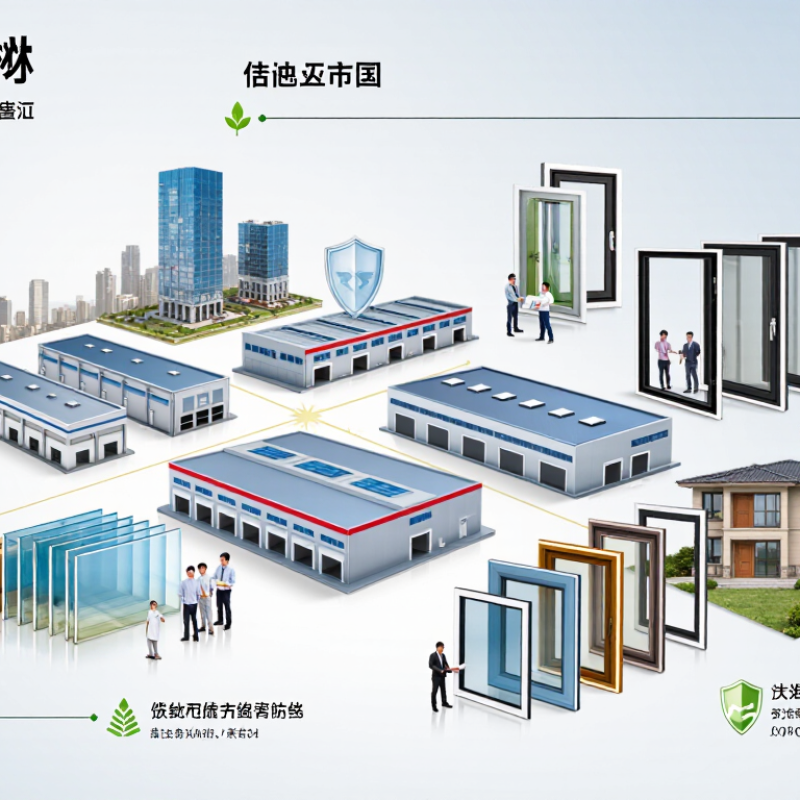
China Top 10 Door Window Manufacturers for Global Buyers

What Defines a Top Door and Window Manufacturer in China

China Top 10 Door Window Manufacturers for Global Buyers

What Defines a Top Door and Window Manufacturer in China

A top manufacturer proves performance before discussing price. The International Energy Agency reports that buildings consume about 30% of global final energy. Windows can also cause 25–30% of residential heating and cooling energy loss, according to the U.S. Department of Energy. These figures make thermal design a commercial issue, not merely a technical detail.

Reliable factories provide tested U-values, air leakage, water resistance, and wind-load results. Reports should identify the tested configuration, glass package, frame size, and laboratory method. Look for alignment with standards such as EN, ASTM, or ISO requirements. A serious production line also tracks aluminum batches, glass spacers, hardware lots, and sealant dates. Small details matter. A poorly drained corner can defeat an expensive frame.

During supplier evaluation, buyers should inspect extrusion quality, powder-coating thickness, welding marks, gasket compression, and packaging protection. Ask for a pilot order before approving a large shipment. Check whether the factory can repeat the same dimensions and colors after six months. This is where many evaluations become uncomfortable. A clean showroom proves little. Even an experienced buyer can overvalue polished samples and underestimate installation errors. The manufacturer should provide drawings, tolerances, maintenance guidance, and responsive after-sales support. Delivery records, corrective-action reports, and independent test certificates reveal more than impressive machinery.

Reference: IEA, Buildings; U.S. Department of Energy, Energy Saver.

Key Product Categories and Manufacturing Capabilities

China’s top door and window manufacturers serve global buyers through several product categories: aluminum windows, uPVC systems, timber products, sliding doors, curtain walls, and entry doors. Grand View Research estimated the global windows and doors market at over USD 200 billion in 2023, with demand supported by urban construction and renovation. Energy performance now matters as much as appearance.

The strongest factories offer thermal-break aluminum profiles, multi-chamber uPVC frames, insulated glass, laminated glass, and low-emissivity coatings. Some operate automated cutting, CNC machining, powder coating, and glass-processing lines.

These systems improve dimensional accuracy and reduce production variation. According to the International Energy Agency, buildings account for about 30% of global energy demand, making airtight frames and better glazing commercially important. Small details matter.

Export-ready manufacturers should also provide mock-up testing, water-tightness checks, air-infiltration tests, wind-load testing, and batch traceability. Many facilities work with ISO 9001 quality systems and regional performance standards, but certificates alone do not prove consistent output.

Buyers should request recent test reports, section drawings, hardware schedules, and packaging photographs. Factory experience is useful here.

Still, published capacity can be optimistic, especially during peak construction seasons. A careful supplier review should compare monthly output, material thickness, glass specifications, warranty terms, and installation support.

Reports from Mordor Intelligence also indicate continuing growth in energy-efficient fenestration, although regional forecasts differ and should be read critically.

China’s Leading Door and Window Manufacturers for Global Buyers

China’s Leading Door and Window Manufacturers for Global Buyers

China’s door and window industry serves residential, commercial, and renovation projects worldwide. Experienced manufacturers usually offer aluminium, uPVC, timber, and customized systems. They can adjust profiles, glass types, colors, hardware, and opening methods for different climates.

A reliable supplier should provide clear drawings, material specifications, test reports, and production photos. Ask about thermal insulation, air tightness, water resistance, wind pressure, and acoustic performance. These details matter. For coastal projects, corrosion-resistant finishes and suitable hardware deserve careful attention. For cold regions, low-emissivity glass and strong sealing reduce heat loss.

Factory communication also affects the final result. Confirm dimensions, packaging, loading plans, lead times, and installation guidance in writing. A sample corner can reveal weak seals, uneven coating, or difficult hardware operation before mass production. Test it twice. A low quotation may look attractive, but it can hide thinner profiles or excluded accessories. I have seen buyers focus on unit price and overlook replacement costs. That approach needs reconsideration. Independent inspections, staged payments, and pre-shipment checks can improve purchasing confidence without making the process unnecessarily complex. Suppliers with documented quality procedures and responsive technical teams are often easier to manage across language and distance barriers. Still, no factory is perfect, and every specification should be verified against the project’s actual conditions.

China Top 10 Door Window Manufacturers for Global Buyers - China’s Leading Door and Window Manufacturers for Global Buyers

Rank Anonymous Manufacturer Profile Main Product Focus Primary Frame Materials Typical Export Markets Customization Common Compliance Documentation Typical Production Lead Time
1 Profile A Aluminium windows, sliding doors and folding doors Thermal-break aluminium; non-thermal aluminium North America, Australia, Middle East High: colour, glazing, hardware and dimensions Test reports, material certificates and quality inspection records 25–45 days
2 Profile B uPVC windows, tilt-and-turn windows and entrance doors uPVC; reinforced uPVC Europe, Central Asia, Africa Medium to high: profiles, colours and glazing options Product specifications, batch inspection and installation documentation 20–40 days
3 Profile C Curtain-wall systems, commercial windows and shopfronts Aluminium and glass curtain-wall systems Southeast Asia, Middle East, Latin America High: engineering drawings and project-based fabrication Structural calculations, drawings and project inspection records 35–60 days
4 Profile D Residential aluminium doors, windows and balcony systems Aluminium; insulated aluminium Australia, New Zealand, Southeast Asia High: opening styles, colours and glass configurations Factory quality records, packaging specifications and product test data 25–45 days
5 Profile E Fire-rated doors, steel doors and security doors Galvanised steel; stainless steel Middle East, Africa, Southeast Asia Medium: size, hardware, finish and fire-rating options Fire-test reports, hardware schedules and coating documentation 30–55 days
6 Profile F Wood-aluminium windows and premium entrance doors Aluminium exterior; engineered wood interior Europe, North America, Australia High: wood finish, glazing, dimensions and hardware Wood treatment records, product specifications and inspection reports 35–60 days
7 Profile G Energy-efficient windows and insulated sliding doors Thermal-break aluminium; uPVC Europe, North America, East Asia High: glazing performance and thermal specifications Thermal-performance data, air-tightness tests and quality records 30–50 days
8 Profile H Minimalist frameless systems and large glass openings Aluminium; tempered and laminated glass North America, Australia, Middle East High: glass thickness, opening size and hardware configuration Glass safety documentation, technical drawings and packing records 30–55 days
9 Profile I Interior doors, hotel doors and architectural wood doors Engineered wood; veneer; steel-core options Europe, Middle East, Southeast Asia High: finishes, sizes, veneers and hardware Material declarations, finishing specifications and project submittals 30–60 days
10 Profile J Economical aluminium windows, doors and standard project systems Aluminium; standard insulated glass Africa, Southeast Asia, Latin America Medium: standard sizes with selected custom options Commercial invoices, packing lists, product specifications and inspection records 20–40 days

Note: The profiles are anonymized to provide a neutral comparison without displaying company or brand names. Lead times and compliance documents vary by specification, order quantity, glazing configuration and destination market.

Quality Standards, Certifications, and Export Experience

China Top 10 Door Window Manufacturers for Global Buyers

Quality standards reveal how a door or window performs beyond the showroom. Reliable manufacturers control profiles, glass, hardware, seals, and surface finishes through documented procedures. ISO 9001 certification can indicate a structured quality management system. However, it does not guarantee perfect products. Buyers should request recent test reports for air leakage, water resistance, wind pressure, and thermal performance. Certifications such as CE, NFRC-related documentation, or regional approvals may apply, depending on the destination market. Always verify the certificate number and testing laboratory.

Tips: Ask for production samples. Check corner joints, drainage holes, gasket contact, and frame alignment. A short video of factory testing can reveal practical details. Confirm whether reports match the exact model, glass build-up, and hardware package. Small differences matter.

Export experience is equally important. Experienced suppliers understand container loading, moisture protection, labeling, customs documents, and installation guidance. They should explain lead times clearly and provide drawings with measurable tolerances. Packing quality deserves attention; scratched frames and broken glass can damage an otherwise strong order. Factory audits, third-party inspections, and staged approvals add useful control. Still, communication may fail when specifications are vague. I have found that a signed technical schedule prevents more disputes than friendly promises. Ask how the manufacturer handles defects, replacement parts, and warranty claims across borders. The best supplier is not merely certified. It is consistent, transparent, and willing to show evidence.

China Top 10 Door Window Manufacturers for Global Buyers

Quality Standards, Certifications, and Export Experience

This buyer-oriented chart shows the highest numbered performance class used in three widely referenced European window and door testing systems. Higher numbers generally indicate a higher tested performance level within the same standard. These are standardized classification scales, not rankings or claims about any individual manufacturer. Buyers should request product-specific laboratory reports, conformity documents, and export references.

Reference standards: EN 12207 for air permeability, EN 12208 for watertightness, and EN 12210 for resistance to wind load. Certification requirements such as ISO 9001, ISO 14001, CE/EN 14351-1, NFRC, or ASTM compliance depend on the target market and product application.

How to Select the Right Chinese Supplier for Your Project

Choosing among China’s top door and window manufacturers requires more than comparing catalog prices.

Start with the project’s climate, opening sizes, wind loads, glass specification, and installation method. A supplier experienced with coastal apartments may not suit a cold inland development. Ask for recent project references and test reports, not only attractive product photographs.

Request physical samples before placing a large order.

Check frame joints, gasket compression, hardware movement, drainage holes, and glass labels. Ask whether performance data applies to the exact profile and glazing combination. Important values include air tightness, water resistance, wind pressure, acoustic insulation, and thermal transmission. Ask for evidence. A factory audit can reveal storage problems, inconsistent welding, or weak quality controls that brochures hide.

Review production capacity, minimum order quantities, lead times, packaging, spare parts, and warranty terms in writing.

Confirm who handles design changes and damaged goods. Clear drawings with revision numbers prevent costly misunderstandings. Communication matters. Test response speed with technical questions. If answers remain vague, slow down.

I have seen buyers focus on unit price and overlook installation tolerances, causing delays on site. That mistake is easy to repeat. A capable supplier should explain limitations honestly, suggest practical alternatives, and provide inspection records before shipment. Still, no supplier is perfect; independent inspection and a realistic buffer remain wise.

To top