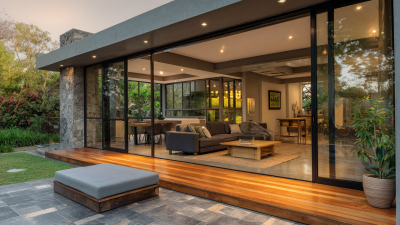
Top 10 Tips for Choosing the Best Patio Windows for Your Home
When it comes to enhancing your home’s aesthetic appeal and functionality, patio windows play a crucial role. They not only offer a seamless connection between indoor and outdoor spaces but also significantly contribute to energy efficiency. According to the American Institute of Architects, an increasing number of homeowners are investing in high-quality patio windows as they seek to maximize natural light and create cohesive living areas. In fact, recent studies indicate that well-designed windows can increase a home's value by up to 10%, making them a worthwhile investment for any homeowner.
Choosing the right patio windows goes beyond aesthetics; it requires careful consideration of materials, energy performance, and local climate conditions. The U.S. Department of Energy reports that windows account for up to 30% of heating and cooling energy use in homes. Therefore, selecting energy-efficient patio windows can have a substantial impact on reducing energy bills while maintaining comfort year-round. With various options available, this guide aims to provide essential tips for choosing the best patio windows that align with your home's design and efficiency needs, ensuring you make an informed decision for your living spaces.
Understanding Different Types of Patio Windows Available on the Market
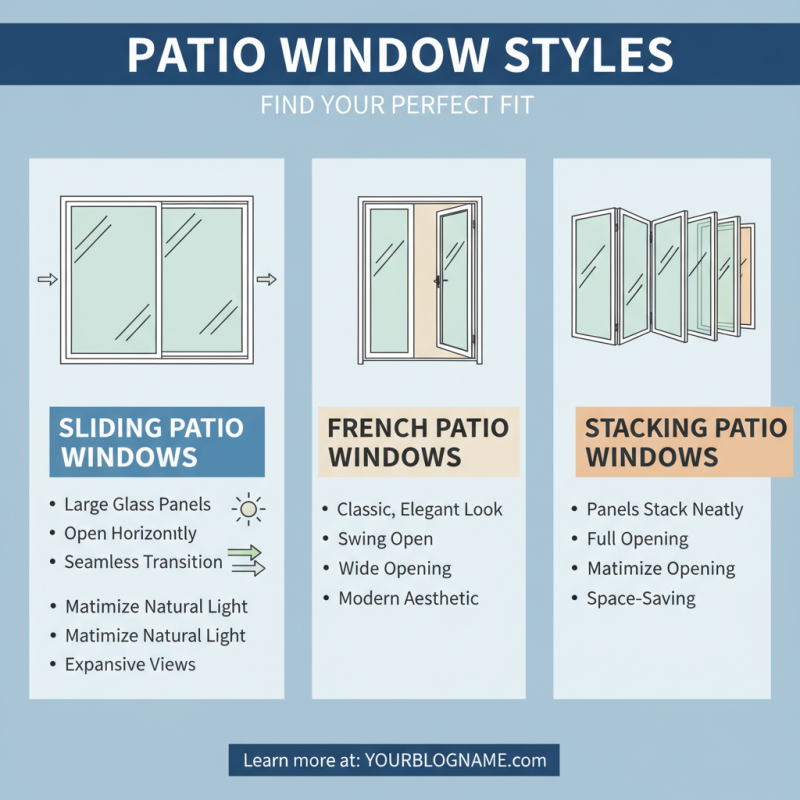
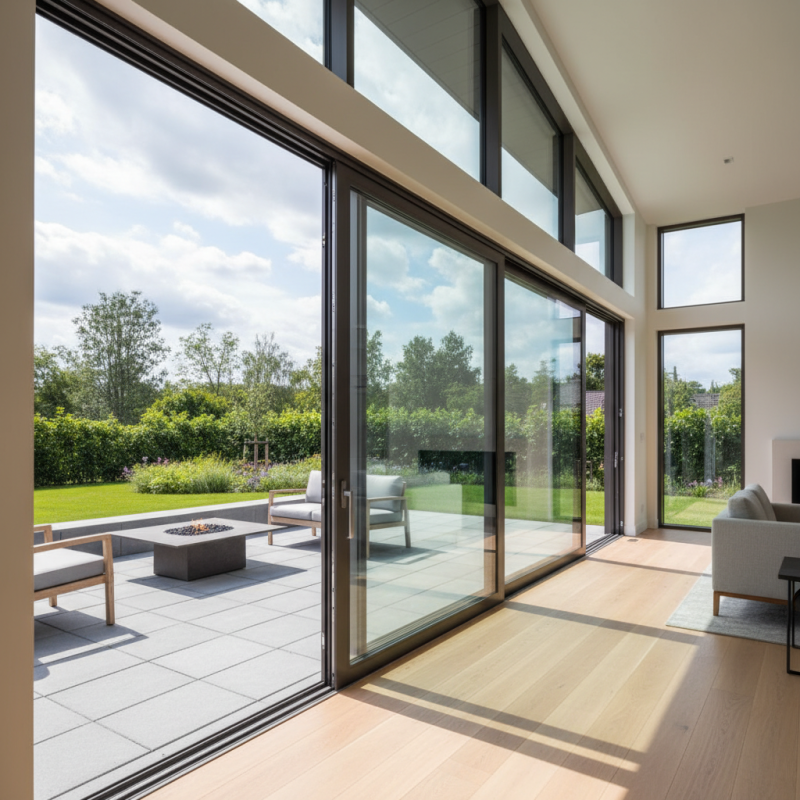
When selecting patio windows for your home, it's essential to understand the various styles available on the market to find the best fit for your needs. Sliding patio windows are a popular choice, featuring large glass panels that open horizontally. They offer a seamless transition between indoor and outdoor spaces, maximizing natural light and providing easy access. Their design typically allows for expansive views, making them an excellent option for those who prioritize aesthetics in their living area.
Another type of patio window to consider is the bi-fold or folding window. These windows consist of multiple panels that can be easily folded away to create a wide opening, effectively merging your indoor and outdoor environments. This option is perfect for social gatherings or for homeowners looking to create an open-air feel while enjoying the comfort of their indoor spaces. Additionally, awning and casement windows are great alternatives, as they can be opened outward, allowing for ventilation without obstructing views. Each type has its unique benefits, making it crucial to evaluate your specific requirements, including space, style preferences, and functionality, before making a decision.
Evaluating Energy Efficiency Ratings and Their Importance for Your Home
When selecting patio windows for your home, one of the most crucial factors to consider is their energy efficiency rating. Windows play a significant role in regulating indoor temperature and can either contribute to or detract from your home’s overall energy efficiency.
Evaluating these ratings helps you understand how well the windows will insulate your home, keeping it cooler in the summer and warmer in the winter. Look for windows with low U-values, as these indicate better insulation properties that can significantly impact your energy bills over time.
Additionally, consider the solar heat gain coefficient (SHGC) of the windows. This rating measures how much solar radiation is admitted through the window, which can affect your home’s temperature. High SHGC values are beneficial in colder climates, where you want to maximize solar gain, while lower values are more appropriate for hotter climates, helping to keep your living spaces cooler and reducing reliance on air conditioning. By carefully evaluating these energy efficiency ratings, you can make an informed decision that enhances both your home's comfort and its energy performance.
Assessing Aesthetic Appeal and How It Complements Your Home’s Design
When selecting patio windows, one of the first considerations should be how they enhance the aesthetic appeal of your home. The style of your patio windows should harmonize with the overall architecture of your house, contributing to a cohesive look that reflects your personal taste. For instance, if your home features modern lines and minimalistic design, choosing sleek, unobtrusive window frames can enhance the contemporary feel. Conversely, traditional homes may benefit from windows with decorative frames and divided lites that echo classic design elements.
In addition to style, it's crucial to consider the color palette of your home. Patio windows offer an opportunity to introduce complementary or contrasting colors that can either blend with or accentuate your exterior decor. Pale hues can create a serene and inviting atmosphere, while bold shades can serve as a striking visual centerpiece. Furthermore, the choice of glass, whether clear, tinted, or frosted, can impact the overall lighting and mood in both the indoor and outdoor spaces, linking the two areas seamlessly and enhancing the visual flow. By thoughtfully assessing these elements, you can ensure your patio windows are not just functional but also a beautiful extension of your home’s design.
Top 10 Tips for Choosing the Best Patio Windows for Your Home
This chart represents various aesthetic factors influencing the choice of patio windows, showcasing the importance of design compatibility, material quality, energy efficiency, and other critical elements.
Considering Security Features to Protect Your Home with Patio Windows
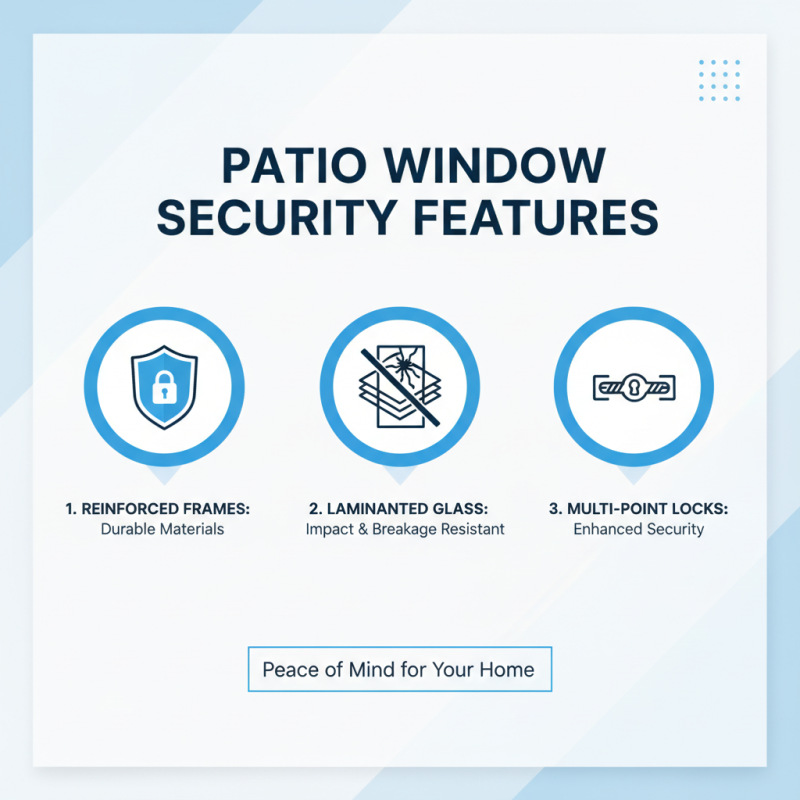
When selecting patio windows for your home, prioritizing security features is paramount. Homeowners should look for windows that are constructed with durable materials, such as reinforced frames and laminated glass, which can withstand force and resist break-ins. Additionally, consider windows that come equipped with multi-point locking systems to enhance overall security and provide peace of mind.
In addition to robust materials, investing in windows with impact-resistant glass can significantly increase protection against potential intrusions. This type of glass not only deters burglars but also provides safety benefits during extreme weather conditions. Homeowners should also ensure that their chosen patio windows offer secure installation options, such as adjustable locks and secure hinges, making them more difficult to manipulate from the outside.
Finally, it’s essential to evaluate the appearance of the security features so they do not detract from the aesthetic appeal of your home. Choose designs that blend seamlessly with your patio decor while ensuring that they provide the security needed to protect your family and belongings. Remember to consult with a professional who can guide you in finding the perfect balance between style and safety for your patio windows.
Budgeting for Installation and Maintenance of Patio Windows Choices
When considering patio windows, budgeting for installation and maintenance is a crucial aspect that homeowners often overlook. The costs associated with installation can vary significantly based on the type of windows selected, the complexity of the installation process, and the region where you live. It's essential to gather quotes from multiple contractors to ensure a competitive price. Additionally, factoring in any potential modifications to your existing structure is vital, as these can increase the overall investment.
Maintenance costs should also play a significant role in your budgeting process. Different styles of patio windows may require varying levels of upkeep, from regular cleaning to more extensive repairs over time. Vinyl windows, for instance, may offer low maintenance and save costs in the long run, while wood frames might necessitate more frequent staining or painting. It is prudent to consider these ongoing expenses when selecting patio windows, as they can impact your long-term financial planning.
Top 10 Tips for Choosing the Best Patio Windows for Your Home - Budgeting for Installation and Maintenance of Patio Windows Choices
| Tip Number |
Tip |
Estimated Cost of Installation |
Maintenance Costs (Annual) |
| 1 |
Consider Energy Efficiency Ratings |
$1,200 |
$100 |
| 2 |
Choose the Right Frame Material |
$1,000 |
$80 |
| 3 |
Select Appropriate Glass Type |
$1,400 |
$90 |
| 4 |
Assess Weather Resistance Features |
$1,300 |
$85 |
| 5 |
Incorporate Security Features |
$1,600 |
$150 |
| 6 |
Review Aesthetic Compatibility |
$1,050 |
$70 |
| 7 |
Check for Noise Reduction Features |
$1,500 |
$60 |
| 8 |
Evaluate Local Building Codes |
$900 |
$50 |
| 9 |
Plan for Installation Costs |
$2,000 |
N/A |
| 10 |
Consider Warranty and Service Options |
$1,100 |
$120 |