Ontario +1 289 597 8838
British Columbia +1 778 594 5888
New Brunswick +1 506 269 7732
Nova Scotia +1 902 233 0397

What Is the Most Popular Type of Garden Door Worldwide?

What Is the Most Popular Type of Garden Door Worldwide?

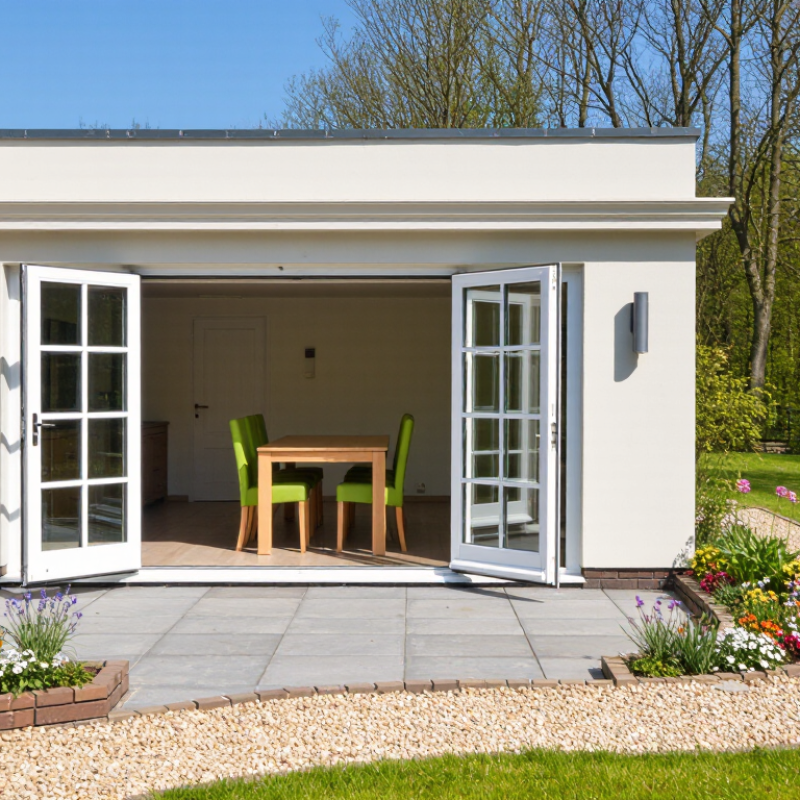
Across many regions, French-style double garden doors remain one of the most familiar choices. Their two opening panels create a broad passage between indoor rooms and outdoor spaces. They also bring more daylight into kitchens, dining areas, and garden offices.

David Stevens, an award-winning garden designer, once observed, “A garden should be experienced as a sequence of spaces, not viewed as a single picture.” His idea helps explain the lasting appeal of these doors. They do more than provide access. They frame planting beds, patios, gravel paths, and changing seasonal views.

Still, popularity is difficult to measure precisely. Consumer preferences differ between climates, building traditions, budgets, and security expectations. In compact urban homes, sliding garden doors may be more practical. They save interior space and often suit modern architecture. In colder regions, insulated hinged doors can offer better comfort when correctly installed.

The most popular option is not always the best option.

A well-designed set of garden doors should match the building, not merely follow fashion. Homeowners should consider frame materials, drainage, glass performance, ventilation, threshold height, and maintenance. I have seen beautiful doors fail because rainwater collected near the threshold. That detail is easy to overlook.

This article examines why French-style garden doors remain globally recognizable. It also compares them with sliding, folding, and single-panel alternatives. The answer may seem simple, but real-world use reveals a more complicated picture. Availability, craftsmanship, and local weather often matter as much as appearance.
What Is the Most Popular Type of Garden Door Worldwide?

Definition and Key Features of the Most Popular Garden Door Type

What Is the Most Popular Type of Garden Door Worldwide?

The hinged garden door remains the most widely used type in residential outdoor access. It opens from a side hinge, like a familiar room door, and usually includes one or two leaves. This simple structure suits patios, courtyards, balconies, and small garden paths. It also works with timber, aluminium, steel, or composite frames.

Grand View Research estimated the global doors market at about USD 207.5 billion in 2023. Its report identifies residential construction and renovation as major demand areas. However, no reliable global census ranks garden-door designs by unit sales. That limitation matters. Still, hinged doors are practical because they need less wall width than sliding systems and offer straightforward repair. Key features include weather seals, adjustable hinges, safety glazing, drainage channels, and low-threshold options. In my experience, poor drainage causes more complaints than the door panel itself.

Tips: Measure the opening at three points. Check the wall, floor, and frame for movement. Choose outward opening only when the path stays clear. A door that looks elegant can become awkward beside a narrow flower bed. The U.S. Department of Energy recommends low-emissivity glazing for better window and door energy performance. Yet glass alone does not solve heat loss. Frame quality, installation accuracy, and regular seal inspection often matter more. Personally, I would not select hardware by appearance first. Moisture, wind exposure, and daily traffic deserve attention.

What Is the Most Popular Type of Garden Door Worldwide?

The single hinged garden door is widely used for residential pedestrian access because it is simple to install, easy to operate, space-efficient, and suitable for timber, metal, and composite fencing systems.

This comparison shows typical clear-opening widths used in residential garden-door layouts. A single hinged door generally provides convenient everyday access, while double hinged, sliding, and bi-fold doors are selected when a wider opening is required for equipment, vehicles, or large garden materials.

Why Sliding Garden Doors Are Widely Used Around the World

What Is the Most Popular Type of Garden Door Worldwide?

Why Sliding Garden Doors Are Widely Used Around the World

Sliding garden doors are widely chosen because they save space and connect indoor rooms with outdoor areas. Unlike hinged doors, they do not need a wide swing zone. This matters in compact homes, balconies, and narrow patios. Grand View Research identifies space efficiency as a major driver of global sliding door demand. Its market analysis also forecasts steady growth through 2030, supported by residential construction and renovation activity.

My experience with residential layouts shows another advantage: large glass panels can bring in daylight while keeping movement simple. The U.S. Department of Energy notes that high-performance windows and glazed doors can improve daylighting and reduce heat transfer when correctly specified. However, glass alone is not enough. Poor installation may cause drafts, water entry, or difficult operation. Sliding doors are convenient, but they are not perfect.

Tips: Check the track before choosing a door. Outdoor dust, sand, and fallen leaves can affect smooth movement. Choose low-emissivity glass for stronger energy performance. In windy or rainy regions, verify drainage details and weather seals. The International Energy Agency highlights the importance of efficient building envelopes, yet real performance depends on installation quality. A beautiful door can still waste energy if its frame is poorly fitted.

What Is the Most Popular Type of Garden Door Worldwide?

Why Sliding Garden Doors Are Widely Used Around the World

Garden Door Type Typical Global Use Space Efficiency Typical Opening Arrangement Main Advantages Common Limitations Overall Suitability for Modern Gardens
Hinged Single Garden Doors Widely used for side entrances, small patios, utility areas, and traditional garden access. ★★★☆☆ Moderate
Requires clear space for the door leaf to swing inward or outward.
One leaf attached to a vertical frame by hinges; commonly opens in one direction. Simple operation, straightforward construction, easy replacement, and good suitability for narrow pedestrian entrances. Swing clearance can obstruct paths, furniture, planting beds, or outdoor seating areas. Very good for compact pedestrian entrances where swing space is available.
French Garden Doors Common in traditional, country-style, and formal residential architecture. ★★★☆☆ Moderate
Two leaves need clearance when opened and may require a central meeting point.
Two hinged leaves that open from the center, often creating a wider passage than a single hinged door. Provides a balanced appearance, broad access, natural ventilation, and a classic architectural style. Needs substantial swing area; the center meeting point and hardware require careful adjustment. Good for spacious gardens and homes with a traditional design preference.
Bi-Fold Garden Doors Used for patios, extensions, garden rooms, and projects designed to create a wide open connection. ★★★★☆ Very good
Leaves fold toward the side, reducing the projection into the room compared with hinged doors.
Two or more connected panels fold and stack at one or both sides of the opening. Can create a very wide opening, offers strong visual connection to the garden, and supports flexible indoor–outdoor layouts. More hinges, rollers, seals, and hardware can increase maintenance requirements and installation complexity. Very good for large openings where maximum ventilation and access are priorities.
Pivot Garden Doors Used mainly in contemporary residential designs and architecturally distinctive garden entrances. ★★★☆☆ Moderate
Requires a controlled swing zone around the pivot line.
Large door leaf rotates around vertical pivot hardware positioned away from the side jamb. Allows oversized door designs, a dramatic appearance, and smooth movement when correctly engineered. Requires accurate structural planning, adequate clearance, and carefully selected weather seals. Good for modern, high-design entrances with sufficient space and budget.
Dutch Garden Doors Used in cottage-style homes, rural properties, kitchens, porches, and informal garden entrances. ★★★☆☆ Moderate
Uses the same swing area as a hinged door but allows the upper and lower sections to operate separately.
One frame is divided horizontally so the top and bottom sections can open independently. Provides ventilation, visibility, and convenient separation between indoor areas and pets or young children. Has more joints and seals than a standard hinged door and is less suitable for very wide openings. Good for ventilation and character, but less flexible for broad garden access.
Lift-and-Slide Garden Doors Common in premium residential projects requiring very large glazed openings and smooth panel movement. ★★★★★ Excellent
The operating panel is lifted slightly from the seals before sliding parallel to the frame.
Large panels move horizontally on engineered rollers after the handle activates the lifting mechanism. Supports large glass areas, smooth operation, strong indoor–outdoor views, and reduced opening effort for heavy panels. Higher system complexity, greater installation demands, and more attention needed for drainage and track maintenance. Excellent for large contemporary openings where performance and appearance are important.

Overall finding: Sliding garden doors are among the most widely used modern garden-door solutions because they combine broad access, strong daylight performance, and efficient use of interior and exterior space. Actual popularity varies by climate, construction traditions, building regulations, property size, and project budget.

Common Materials and Designs for Sliding Garden Doors

What Is the Most Popular Type of Garden Door Worldwide?

Sliding garden doors are among the most widely chosen outdoor door designs. They open sideways, so they preserve valuable patio space. This suits compact urban gardens and narrow balconies. A 2024 report by Grand View Research valued the global doors market at about USD 140 billion in 2023. Its projected growth reflects continued demand for practical residential openings, although garden-door data remains less consistent worldwide.

Common materials include aluminium, uPVC, timber, and framed glass. Aluminium offers slim profiles and strong resistance to moisture. uPVC usually costs less and needs limited maintenance. Timber provides warmth, but it requires regular sealing in wet climates.

The Freedonia Group’s World Windows & Doors analysis identifies replacement, energy performance, and low-maintenance materials as important market drivers. Materials matter.

Design choices also affect comfort. Double-glazed panels can reduce drafts and outdoor noise. Low-emissivity glass may help control solar heat. The International Energy Agency reported that buildings and construction produced about 37% of global energy-related emissions in 2022. Therefore, thermal performance deserves attention, not just appearance.

A poorly fitted sliding door can leak air around its frame. That weakness is easy to overlook. Track drainage, locking points, and child-safe operation also need inspection. However, no single material suits every climate, budget, or architectural style.

How Garden Layout and Climate Influence Door Selection

What Is the Most Popular Type of Garden Door Worldwide?

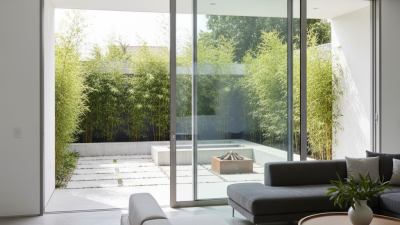
Sliding garden doors are among the most widely chosen options worldwide. They suit compact layouts because the panels move beside the wall. This keeps pathways clear and preserves patio space. Large glass panels also connect kitchens with lawns, terraces, and planted courtyards. Yet “popular” can mislead. There is no dependable global ranking covering every climate, housing type, and construction market.

Garden layout strongly affects the decision. A narrow terrace may need a two-panel slider, while a wide rural opening can support folding panels. Hinged doors remain useful where furniture blocks side movement. They also provide a familiar, controlled entry point for smaller gardens.

In my experience, homeowners often measure the door first and the outdoor circulation second. That creates awkward bottlenecks.

Climate should guide the frame, glass, seals, and opening direction.

The International Energy Agency reported that buildings used about 32% of global final energy in 2022. Poorly sealed garden doors can increase heating and cooling demand. In hot regions, external shading and low-solar-gain glazing may matter more than maximum glass area.

The World Meteorological Organization recorded 2023 as the warmest year measured, at about 1.45°C above the pre-industrial average.

Windy or wet locations may favor a well-sealed hinged door over a broad slider. In colder areas, thermal breaks and insulated thresholds deserve attention.

Bigger is not always better. A beautiful opening can still create glare, drafts, or difficult maintenance.

Maintenance, Security, and Accessibility Considerations

Across many regions, the hinged garden door remains one of the most common choices. Its popularity comes from simple construction, familiar operation, and flexible sizing. It can suit a narrow side path or a wide garden entrance.

Maintenance starts with water control. Timber doors need sealed end grains, especially near the bottom edge. Check the finish after wet seasons, not only when damage appears. Metal frames need inspection for rust around hinges, joints, and ground-level fixings. A stiff hinge may seem minor. It can quickly misalign the latch and scrape the paving.

Security should not make the entrance feel hidden or intimidating. A strong frame, protected hinges, and a reliable latch are more useful than excessive height. Keep shrubs trimmed near the door, so visitors and residents can see approaching movement. Motion lighting can improve visibility, but poor positioning may create glare. Security choices should also respect local building rules and shared access agreements.

Accessibility is often overlooked in garden planning. Aim for a clear opening of about 850 to 900 millimetres where space allows. Avoid raised thresholds and loose gravel immediately beside the entrance. A lever handle is usually easier to operate than a small round knob. The door should open without excessive force and leave enough turning space for mobility aids. Measurements alone do not guarantee comfort. Test the route with real users, because a design that looks accessible on paper may still feel awkward in rain, darkness, or winter clothing.

To top