2026 How to Choose the Best Sliding French Doors for Your Home?
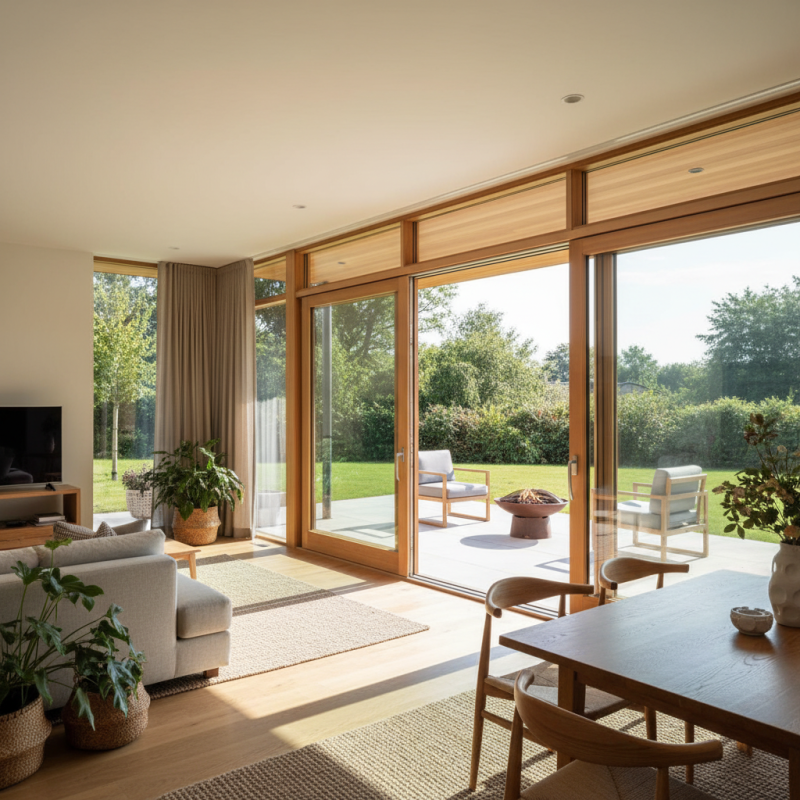
Choosing the right sliding French doors for your home can be challenging. These doors enhance both aesthetics and functionality. A perfect blend of beauty and utility, sliding French doors can transform your space.
When selecting sliding French doors, consider materials, designs, and sizes. The frame can be wood, vinyl, or aluminum. Each option has its pros and cons. It’s vital to choose a style that fits your home’s character. Think about the color and finish that match your existing decor.
Don’t forget to factor in energy efficiency. Sliding French doors should provide insulation to keep your home comfortable. However, not every option is suitable for every climate. Testing door performance before purchase is important. Reflect on your needs—what works for one family might not work for another. A well-chosen door can open up your living space, but the decision should not be rushed.
Factors to Consider When Choosing Sliding French Doors
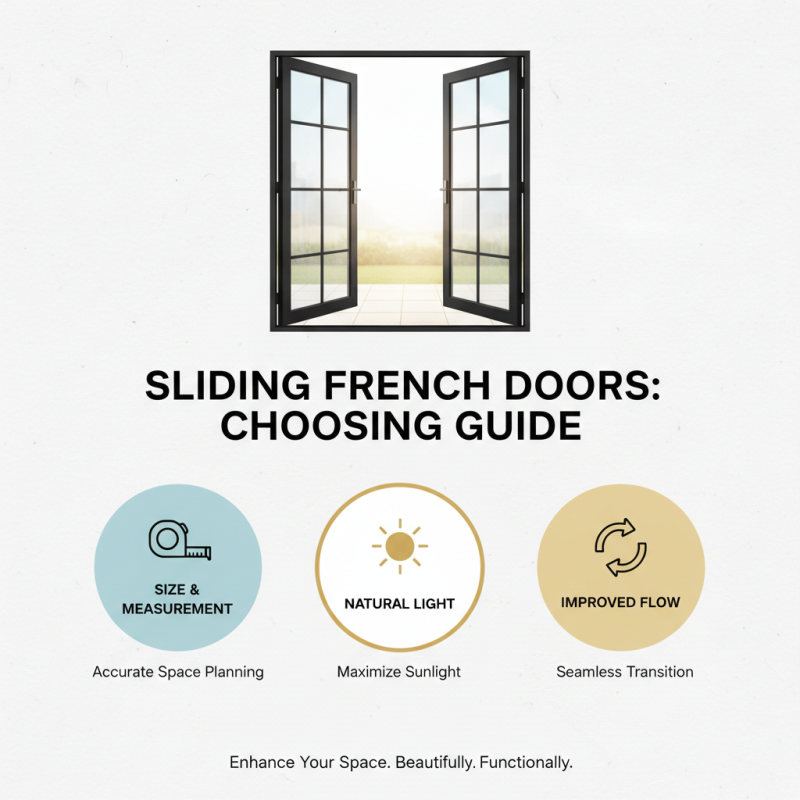
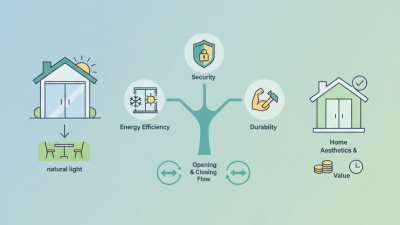
Choosing sliding French doors is an exciting journey. There are several key factors to consider. First, think about size. Measure your space accurately. The right fit can enhance natural light and improve flow.
Next, material matters. Options include wood, aluminum, and vinyl. Each has its pros and cons. Wood offers warmth but may require more maintenance. Vinyl is energy efficient and easier to care for. Aluminum provides durability but may not insulate as well.
Don't ignore hardware. Quality handles and locks ensure security and ease of use. Pay attention to the style. Choose a design that complements your home’s aesthetic. Be aware that some styles may not suit your needs perfectly. Explore details like color and finish too. Your choices should reflect your unique taste. Remember, you can always adjust and rethink decisions along the way.
Types of Materials Used in Sliding French Doors
When choosing sliding French doors, material is key. The right material can enhance both aesthetics and functionality. Wood is a classic choice. It offers warmth and charm. However, wood requires regular maintenance and is prone to warping. If you desire a rustic look, consider this option but be ready for the upkeep.
Aluminum is another popular material. It’s light and strong, providing a modern touch to any home. This option is low maintenance and resistant to rust. Yet, aluminum can be less energy-efficient compared to wood. You might find it gets hot during the summer. It’s important to weigh these factors when making a choice.
Vinyl sliding doors are gaining traction. They are affordable and energy-efficient. They don’t require painting and resist fading. However, some may find their appearance less appealing than wood or aluminum. You may want to explore various finishes to see what fits your style. Each material has pros and cons. Understanding your needs is essential in the selection process.
2026 How to Choose the Best Sliding French Doors for Your Home? - Types of Materials Used in Sliding French Doors
| Material Type |
Durability |
Energy Efficiency |
Maintenance |
Cost Range |
| Vinyl |
High |
Good |
Low |
$600 - $1,200 |
| Wood |
Moderate |
Good |
High |
$800 - $2,000 |
| Aluminum |
Very High |
Excellent |
Moderate |
$700 - $1,500 |
| Fiberglass |
High |
Excellent |
Low |
$1,000 - $2,500 |
| Composite |
High |
Good |
Moderate |
$900 - $2,000 |
Energy Efficiency and Insulation Ratings
When choosing sliding French doors, energy efficiency is key. Look for doors with a high insulation rating. This rating indicates how well the door can keep your home insulated. Good insulation helps maintain indoor temperatures, reducing energy costs.
Consider the materials used in the door construction. Fiberglass and vinyl options often provide better insulation compared to wood. Keep in mind that not all models offer the same level of energy efficiency. Pay attention to the glass type as well. Double or triple-pane glass can significantly reduce heat transfer.
Tips for selecting the right door include checking for a low U-factor. A lower U-factor indicates better insulation properties. Look for ENERGY STAR® certification, as it ensures quality performance. Visualize how the doors will fit in your space. Imagine both aesthetics and functionality. Reflect on your local climate to choose the best features.
Design and Aesthetic Options for Home Integration
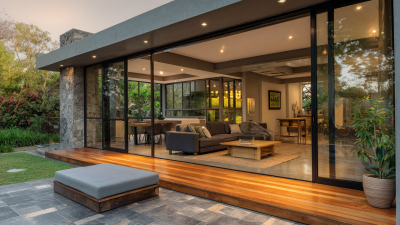
Choosing sliding French doors for your home involves much more than functionality. The design and aesthetics should seamlessly integrate with your existing decor. Start by considering the overall style of your home. Is it modern, traditional, or something in between? A sleek frame might suit an ultra-contemporary space, while a classic design fits a more traditional setting.
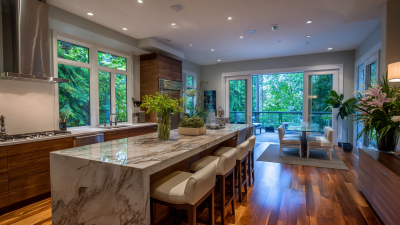
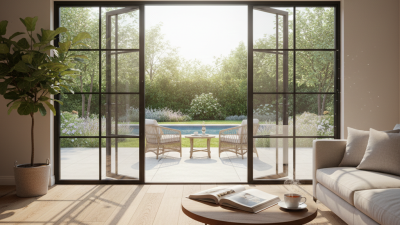
Color plays a significant role too. Neutral tones can blend in, while bold colors can make a statement. Think about how the doors will look against the outside view. Will they frame the landscape beautifully? Additionally, glass options matter. Clear glass can enhance light and visibility, while frosted or tinted varieties offer privacy.
Don’t overlook hardware. Handles and locks should complement the door style. Choosing mismatched designs may lead to a disjointed look. Reflect on your surroundings and lifestyle. Will the doors be practical everyday, or only used for special occasions? Investing in doors that fit your home’s character is crucial. However, it’s easy to overlook the small details that can make a big difference.
A little thought can lead to a stunning transformation.
Installation and Maintenance Tips for Sliding French Doors
When considering sliding French doors, proper installation is crucial. The installation process should begin with careful measurements. According to a recent report by the American Institute of Architects, improper fitting can result in energy loss of up to 20%. Correct alignment ensures that doors open smoothly and maintain their aesthetic appeal.
Regular maintenance plays a significant role in the longevity of sliding French doors. Experts recommend lubricating the tracks every six months. Neglected tracks can lead to frustrating jams and uneven wear, which may require costly repairs. Cleaning the glass and frame is also essential. Dust and dirt can accumulate, impacting both appearance and functionality. A study from the National Association of Home Builders indicates that poorly maintained doors may decrease property value by 10% over time.
Don't overlook the weather stripping. It can deteriorate, leading to drafts. While most homeowners know to check seals, many forget to replace them regularly. The lifespan of weather stripping can vary, but underperformance can impact energy efficiency. In some cases, this oversight may cost homeowners additional expenses in their utility bills. Ensuring that these aspects are addressed can lead to a better living experience.