10 Essential Tips for Choosing Sliding Glass Patio Doors
When it comes to enhancing your patio's aesthetics and functionality, selecting the right sliding glass patio doors is crucial. Renowned expert Mark Collins, a specialist in home design, emphasizes, "The right sliding glass patio doors can transform your living space." This sentiment captures the importance of careful consideration in your choice.
Choosing sliding glass patio doors involves various factors, including style, material, and energy efficiency. Many homeowners overlook how critical these choices are. An ill-fitting or poorly designed door can detract from your home's charm. It may also lead to energy loss, impacting your utility bills. The perfect patio door should seamlessly blend with your existing décor while providing maximum durability.
Moreover, your local climate plays a significant role. Features that work well in one region may not suit another. Reflecting on your unique space and needs is essential. Each decision you make influences both functionality and aesthetic appeal. With the right knowledge and insight, you can select sliding glass patio doors that not only elevate your home but also offer long-lasting benefits.
Understanding the Importance of Sliding Glass Patio Doors
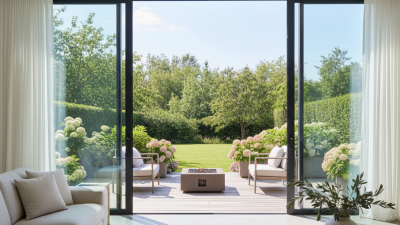
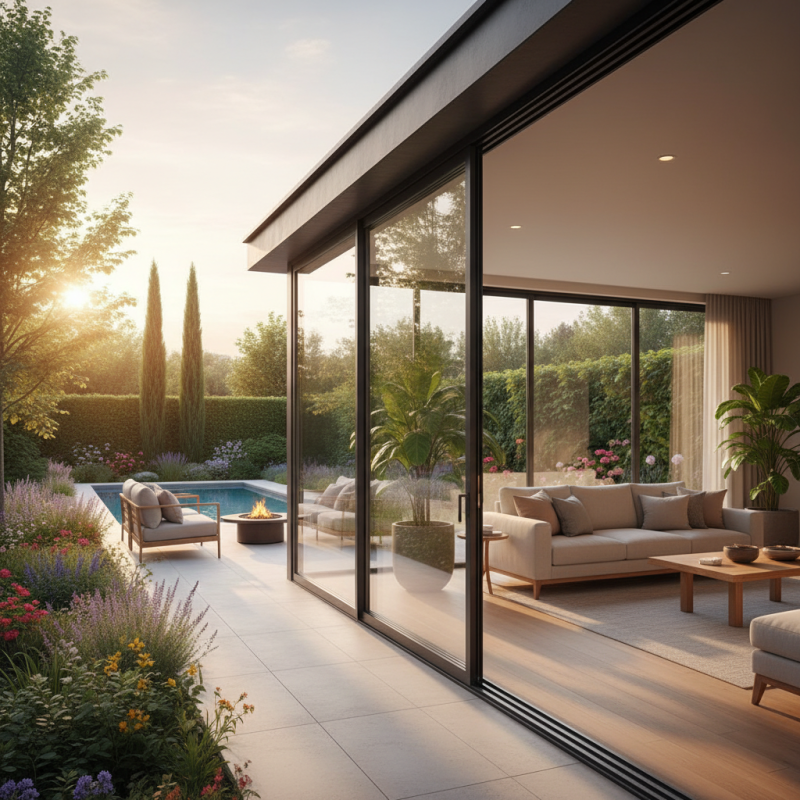
Sliding glass patio doors provide both functionality and aesthetic appeal. They serve as a transition between indoor and outdoor spaces, enhancing natural light and views. According to the American Institute of Architects, homes with sliding glass doors tend to sell faster and at higher prices. This is largely due to their modern appeal, creating a seamless connection to outdoor areas.
Choosing the right sliding glass patio doors is vital. A survey by the National Association of Home Builders indicates that energy efficiency is a top concern for homeowners. Poorly insulated doors can lead to significant energy loss. Up to 30% of heating and cooling energy can escape through inefficient doors, adding to utility bills. Additionally, safety features are critical; the doors should have secure locking mechanisms to prevent break-ins.
Despite their benefits, some homeowners overlook these elements. While selecting aesthetic designs, function should not be compromised. Practical considerations, like the door's material, size, and opening direction, also play a vital role. Investing in high-quality doors may seem costly upfront, but it can save money in the long run.
Understanding the Importance of Sliding Glass Patio Doors
Key Factors to Consider in Sliding Glass Door Design
When selecting sliding glass patio doors, consider various key factors that can impact functionality and style. According to the American National Standards Institute (ANSI), energy efficiency is paramount. Up to 30% of a home's energy can escape through poorly designed doors. Opt for doors with a high insulation rating to minimize energy loss and reduce heating bills.
Another crucial aspect is the choice of frame material. Aluminum frames are lightweight but may conduct heat. Vinyl frames offer better insulation but can be less durable. A study by the National Association of Home Builders (NAHB) shows homes with energy-efficient materials can increase resale value by 15% to 20%.
Examine glass options carefully. Low-E glass can block UV rays, protecting furniture and interiors. Additionally, tempered glass is safer and more resistant to breakage. While some homeowners prioritize aesthetics, overlooking functionality can lead to future regret. Remember, the right choice balances both looks and performance, ensuring long-term satisfaction.
10 Essential Tips for Choosing Sliding Glass Patio Doors
| Tip |
Description |
Considerations |
| 1. Measure the Space |
Ensure you have accurate measurements of the opening size before purchasing. |
Exact width and height of the opening are critical. |
| 2. Energy Efficiency |
Choose doors with good insulation to reduce heating and cooling costs. |
Look for ENERGY STAR ratings. |
| 3. Security Features |
Incorporate advanced locking mechanisms for better security. |
Consider multi-point locks and tempered glass. |
| 4. Design and Style |
Select a style that fits with your home's architecture. |
Consider frame materials and colors. |
| 5. Maintenance Requirements |
Opt for materials that require less upkeep over time. |
Vinyl and fiberglass are often lower maintenance. |
| 6. Cost |
Budget for the purchase and installation costs. |
Consider long-term savings versus initial costs. |
| 7. Operation Mechanism |
Choose between manual or motorized sliding options. |
Assess convenience and ease of use. |
| 8. Warranty |
Check the warranty coverage and duration offered. |
Look for comprehensive warranties. |
| 9. Reviews and Recommendations |
Read customer reviews for insights on performance and reliability. |
Check professional recommendations as well. |
| 10. Installation |
Hire a professional for proper installation. |
Ensure they are experienced with sliding doors. |
Evaluating Energy Efficiency Ratings for Patio Doors
When selecting sliding glass patio doors, energy efficiency is a crucial factor. According to the U.S. Department of Energy, vinyl and fiberglass doors typically provide better insulation than traditional wooden options. The efficiency of these doors can be assessed through ratings such as U-factor and Solar Heat Gain Coefficient (SHGC). A lower U-factor indicates better insulation, which helps maintain indoor temperatures and reduces heating costs during winter months.
Research from the National Fenestration Rating Council suggests that energy-efficient patio doors can save homeowners up to 15% on their energy bills. However, not all glass types are equal. Double-glazing, for instance, significantly lowers energy loss compared to single-glazed options. Homeowners often overlook the importance of proper installation, which can negate the benefits of an energy-efficient door. Poor sealing or alignment can lead to drafts, regardless of the door’s rating.
While it’s tempting to choose the most aesthetically pleasing option, prioritizing energy efficiency brings long-term savings and comfort. Consider the local climate and how often doors are used. In some cases, a more basic model may perform adequately. Striking the right balance between style and functionality requires careful thought and consideration of both immediate and future needs.
Choosing the Right Material for Durability and Aesthetics
When choosing sliding glass patio doors, selecting the right material is crucial for both durability and aesthetics.
Vinyl, wood, aluminum, and fiberglass are common options, each with its unique benefits. According to a report by the American Architectural Manufacturers Association (AAMA), vinyl doors show a high resistance to moisture and require minimal maintenance. However, they may lack the aesthetic appeal of wood.
Wood doors offer natural beauty and excellent insulation. The Wood Products Council indicates that properly maintained wood can last over 30 years. But they can be prone to warping and weather damage. Aluminum frames, while strong and lightweight, may not provide the best insulation. The EPA notes that thermal breaks are necessary to improve energy efficiency.
Fiberglass has gained popularity recently. It combines the durability of aluminum with the aesthetics of wood. Plus, it can withstand extreme weather conditions. A study by the National Association of Home Builders (NAHB) shows that fiberglass doors offer enhanced energy savings. Still, some consumers find the cost a barrier. While considering your options, reflect on your climate and maintenance preferences. The best choice balances utility with your personal style.
Selecting Hardware and Accessories for Functionality and Security
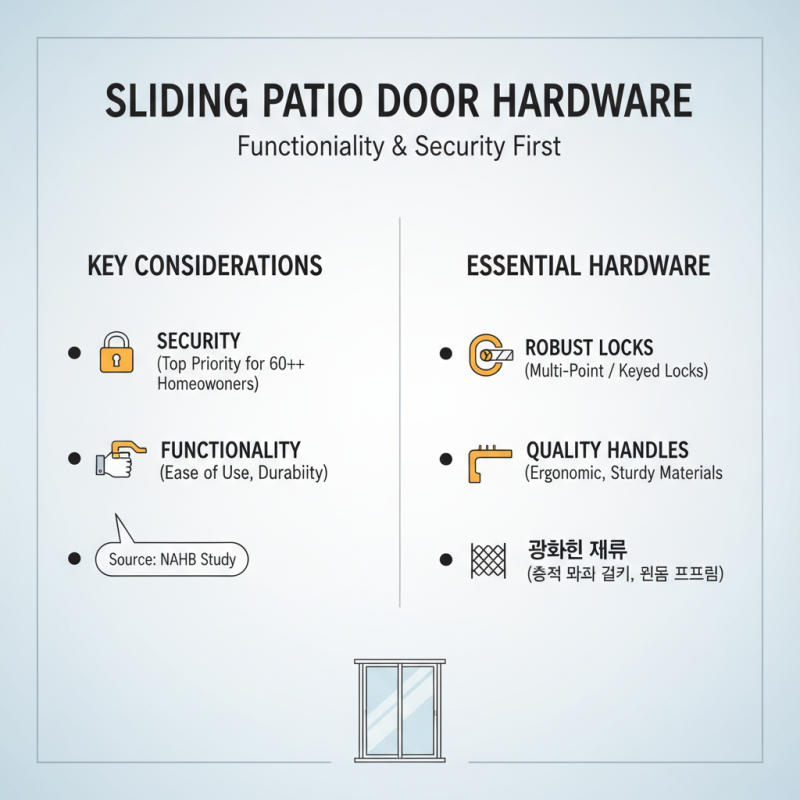
When selecting hardware and accessories for sliding glass patio doors, functionality and security should be your primary focus. A study by the National Association of Home Builders (NAHB) emphasizes that over 60% of homeowners consider security as a top priority in their home improvement projects. Choosing robust locks and quality handles is crucial for enhancing safety.
Opt for multi-point locking systems. They provide better security than standard locks. This feature ensures that the door is locked at multiple points, making it harder for intruders to force entry. Additionally, consider installing a security sensor on your sliding door. Studies show that homes with security systems are 300% less likely to suffer a break-in.
Don't forget about the aesthetics of your hardware. Selecting accessories that complement your home's design can enhance its overall appeal. Unique door handles in various finishes can make a significant difference. However, balance beauty with practicality. Ensure that the chosen hardware can withstand weather elements and daily use. A report from the Home Improvement Research Institute notes that the lifespan of high-quality hardware can exceed 15 years, but lower-grade options may need replacement within five years.