Choosing windows and doors in Barrie involves more than matching frame colours to brickwork. Cold January mornings, lake-effect wind, summer humidity, and older housing stock all influence performance. A stylish product may still leak air around the frame. That detail is easy to miss.
Natural Resources Canada reports that windows can contribute significantly to residential heat loss, depending on the home’s design, condition, and climate. ENERGY STAR guidance also emphasizes low-emissivity glass, insulated frames, and proper installation as key efficiency factors. These findings make product labels useful, but not sufficient. A certified window installed poorly can still create condensation, drafts, and uncomfortable rooms.
For homeowners researching windows and doors Barrie, local experience matters. Measure the opening, inspect the wall condition, and ask how installers manage flashing and drainage. A south-facing room may need different glass than a shaded basement window. A heavy exterior door can feel secure, yet perform poorly if its threshold is uneven.
Canadian contractor and building expert Mike Holmes often says, “Do it right the first time.” That principle applies here, although real projects are rarely perfect. Budgets shift. Measurements reveal surprises. Even experienced homeowners can overlook ventilation and interior humidity. A reliable contractor should explain U-factor, air leakage, glazing options, warranty limits, and installation methods in clear language. This guide will examine those choices, using Canadian efficiency guidance and practical Barrie conditions rather than promising one universal solution.
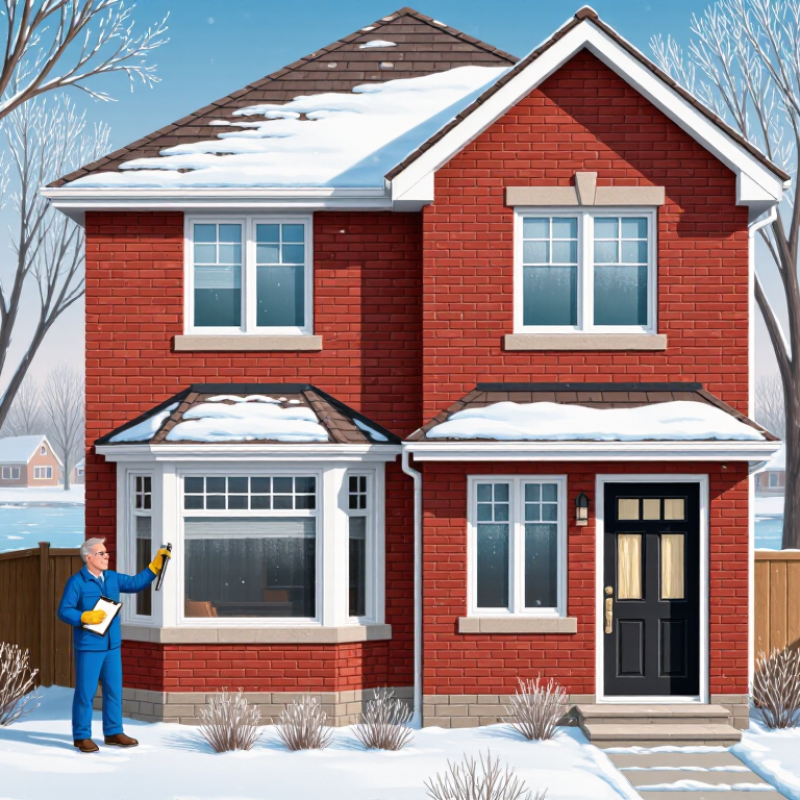
Choosing windows and doors in Barrie starts with assessing your home, not browsing styles.
Barrie’s cold winters, summer humidity, and strong temperature changes can expose weak frames quickly. Walk through each room during a windy day. Notice cold edges, rattling glass, water marks, and fading furniture. These details reveal more than appearance alone. Measure each opening carefully, including width, height, depth, and squareness. Measure twice. A small error can cause installation delays.
Consider how every room is used. A bedroom may need an emergency escape opening, while a busy entry needs a durable, secure door. South-facing windows can bring useful daylight but may increase summer heat. North-facing openings often need stronger insulation. Look at exterior drainage, roof overhangs, and nearby trees. Snow and meltwater can damage poorly protected door thresholds. Your existing frames may also contain hidden moisture damage. That possibility is easy to overlook.
Reliable planning includes checking ventilation, privacy, noise, and maintenance needs. Triple glazing may help some rooms, but it is not automatically the best choice for every opening. The wall structure, window orientation, and installation quality matter just as much. Ask a qualified installer to inspect the rough opening and explain the proposed air-sealing method. Confirm current local requirements for safety glass, emergency exits, insulation, and permits with the proper authority. I would not rely on a showroom sample alone. It looks perfect there, yet your home may behave differently.
Barrie homes face cold winters, strong winds, and repeated freeze-thaw cycles. Material choice should match those conditions. Vinyl frames usually offer low maintenance and good insulation. Fibreglass frames resist warping and remain stable during temperature changes. Wood provides warmth and character, but it needs regular sealing. Steel doors are strong, while insulated fibreglass doors often deliver better thermal performance.
Look beyond appearance. Natural Resources Canada reports that windows and doors can cause up to 35% of a home’s heat loss. The U.S. Department of Energy estimates that windows account for 25–30% of residential heating and cooling energy use. Ask for the whole-window U-factor, not only the glass rating. Lower values indicate better insulation. A low-emissivity coating and argon-filled glass can reduce heat transfer. In sunny rooms, a suitable solar heat-gain coefficient may limit summer overheating.
Small details matter. Check weatherstripping around each opening. Examine corner seals and drainage paths. Casement windows often close more tightly than sliding styles, but sliders are convenient for compact spaces. Entry doors should include insulated cores and adjustable thresholds. I would not choose the cheapest quote automatically. Installation errors can weaken excellent products. Even experts sometimes overlook that point. Ask for written performance values, installation procedures, and warranty terms before ordering.
How to Choose Windows and Doors in Barrie?
Barrie’s climate should guide every window and door decision. Cold winters, heavy snow, wind, and repeated freeze-thaw cycles can expose weak frames quickly. Look for low-maintenance materials, strong weather seals, and suitable thermal performance. A door that feels fine in October may allow drafts by February. Check the glass configuration, frame insulation, and drainage paths. These details matter more than appearance alone.
Local building codes also affect your choices. Confirm current requirements with Barrie’s building department before ordering products. Egress windows must provide safe escape routes in applicable rooms. Entrance doors may require specific clearances, safety glazing, or structural support. Energy requirements can influence window performance and installation methods. Rules can change, so old advice may be incomplete.
Installation quality often decides whether a product performs well. Measure the rough opening carefully, but measure it again. Small errors can create costly delays. Installers should inspect framing, use proper shims, seal the sill, and direct water away from the wall. Flashing must overlap correctly, especially around doors exposed to wind-driven rain. Expanding foam can improve insulation, but excessive foam may distort the frame. Even experienced crews can miss a detail when schedules become tight. A written inspection checklist helps reveal those overlooked problems before interior trim hides them.
| Decision Dimension | Relevant Barrie Condition or Requirement | What to Look For | Planning or Installation Check | Reference |
|---|---|---|---|---|
| Winter temperature | Barrie has a cold continental climate with freezing winter temperatures and extended heating demand. | Low heat transfer, insulated frames, sealed multi-pane glazing, and warm-edge spacer options. | Ask for the complete window assembly performance rather than relying only on the centre-of-glass specification. | Environment and Climate Change Canada climate data |
| Snow and precipitation | The Barrie area receives substantial winter snowfall and rain, making water management important around openings. | Sloped sills, durable exterior finishes, effective drainage paths, sill pans where appropriate, and properly integrated flashing. | Confirm that the sill, jambs, head flashing, housewrap, and wall drainage plane are connected in the correct shingle-lap sequence. | Environment and Climate Change Canada climate data |
| Freeze-thaw exposure | Repeated cycles of freezing and thawing can stress sealants, masonry joints, exterior trim, and poorly drained sills. | Materials rated for exterior exposure, flexible compatible sealants, corrosion-resistant fasteners, and positive drainage. | Inspect existing brick, siding, stucco, and wood framing before ordering; repair unstable substrates first. | Ontario Building Code regulation |
| Summer solar heat | South- and west-facing openings can receive significant solar gain during warmer months. | Choose the glazing Solar Heat Gain Coefficient (SHGC) according to orientation, shading, room use, and cooling needs. | Use exterior shading, overhangs, blinds, or appropriately selected glazing where overheating or glare is a concern. | Natural Resources Canada: Windows and doors |
| Energy performance | Ontario requirements apply to the building envelope, including windows and doors, subject to the applicable compliance path. | Review U-factor, Energy Rating (ER), air leakage, visible transmittance, and SHGC as applicable to the product and project. | Have the designer or building official confirm the performance values required for the specific renovation or new-build application. | Ontario Building Code |
| Permits and code review | Replacing windows and doors may involve structural, egress, fire-safety, insulation, or exterior-wall details. | Confirm whether a building permit is required and whether the proposed work changes opening size, lintels, structure, or required exits. | Contact the City of Barrie Building Services before work begins, especially for new openings or changes to load-bearing walls. | City of Barrie Building Services |
| Emergency egress | Bedrooms and certain other spaces may require an emergency escape and rescue opening under the applicable code conditions. | Verify clear opening dimensions, opening location, operation, and unobstructed access to the exterior. | Do not assume a replacement window is code-compliant simply because it fits the existing rough opening; measure the required clear opening. | Ontario Building Code |
| Door threshold and accessibility | Entry doors must manage snow, rain, drafts, and indoor-outdoor transitions; accessibility requirements may apply depending on the project. | Thermally improved thresholds, weatherstripping, adequate landing space, safe sill height, and smooth operation. | Check exterior grading and porch or landing levels so water drains away without creating a trip hazard. | Ontario Building Code |
| Rough-opening condition | Older Barrie homes may have uneven framing, previous moisture damage, or wall assemblies that differ from current construction. | Accurate width, height, depth, plumb, level, and square measurements; allowance for shimming and insulation. | Measure after removing interior or exterior trim when necessary, and document concealed damage before final sizing. | Natural Resources Canada: Installation guidance |
| Air leakage and drafts | Cold windy weather can expose gaps between the frame and rough opening, even when the window itself performs well. | Continuous interior air sealing, correctly sized low-expansion insulation, exterior weather protection, and compression seals. | Use compatible materials and avoid overfilling cavities, which can bow frames and affect operation. | Natural Resources Canada |
| Condensation control | Indoor humidity in winter can condense on cold glass, frames, and adjacent finishes. | Appropriate glazing, insulated frames, unobstructed air circulation, and indoor humidity control. | Keep blinds and curtains from blocking warm room air, and investigate persistent condensation as a possible ventilation or moisture problem. | Natural Resources Canada |
| Installation method | Full-frame replacement and insert replacement provide different levels of access to the rough opening and wall drainage details. | Choose full-frame work where the frame, sill, insulation, or flashing needs inspection; consider insert work only when the existing frame is sound. | Obtain a written scope covering removal, disposal, structural repairs, flashing, insulation, air sealing, trim, and water testing. | Natural Resources Canada |
| Maintenance and durability | Snow, road salt, moisture, ultraviolet exposure, and temperature changes can accelerate exterior wear. | Washable surfaces, replaceable weatherstripping, accessible drainage channels, durable hardware, and finish suitable for local exposure. | Keep weep holes clear, inspect sealants and flashing, and lubricate moving hardware according to the maintenance instructions. | City of Barrie Building Services |
| Final selection checklist | The best choice depends on orientation, room function, existing wall construction, code requirements, and installation quality. | Compare verified performance data, rough-opening compatibility, operation, ventilation needs, security, noise control, and total installed scope. | Before ordering, confirm measurements, permit requirements, egress, flashing details, warranty terms, cleanup, and final inspection responsibilities. | Ontario Building Code |
Code requirements can vary by building type, project scope, existing construction, and the compliance path used. Confirm current requirements with the City of Barrie and the applicable Ontario Building Code provisions before ordering or installing products.
How to Choose Windows and Doors in Barrie?
Choosing windows and doors in Barrie starts with evaluating the supplier, not only the product display. Ask how long the company has served local homeowners. Request recent installation references and verify their service area. A reliable supplier should explain measurements, energy performance, installation methods, and expected timelines clearly. During my own renovation research, I found that confident sales language did not always mean careful workmanship. That was an uncomfortable lesson.
Product quality matters during Barrie’s cold winters, windy weather, and humid summers. Look for durable frames, dependable locking systems, insulated glass, and weather-resistant seals. Ask about tested energy ratings rather than accepting general claims. Examine samples closely. Check corner joints, hardware movement, and glass clarity. Professional installation is equally important because even excellent windows can leak when fitted poorly. I would also request a written quote with product specifications, labour costs, disposal fees, and possible changes. Small omissions can become expensive later.
Tips: Compare at least three suppliers. Read warranty terms before signing. Confirm who handles service calls. Ask whether labour and materials have separate coverage periods. Check exclusions for broken hardware, condensation, or improper maintenance. Keep invoices, measurements, and installation photographs. A warranty may sound generous, but its conditions can be surprisingly narrow. Ask direct questions, and request written answers.
A practical evaluation framework for comparing suppliers, product quality, warranty coverage, energy performance, and installation service. The percentages are planning weights, not market averages.
Product quality and supplier reliability should receive the greatest attention because they affect durability, comfort, and long-term maintenance. Review warranty terms carefully, including coverage length, exclusions, labour protection, and transferability.
A realistic budget starts with the whole project, not the window price. Measure each opening and note its direction, size, and current condition. South-facing glass may need better solar control during bright summer afternoons. Older frames can also reveal hidden moisture or damaged wood. Leave room for repairs, trim, disposal, and possible structural adjustments. A low quote can become expensive when these details appear later.
Request at least three written estimates from qualified local installers. Each estimate should identify materials, glass type, installation methods, warranty terms, taxes, and cleanup. Ask whether the crew has experience with Barrie’s cold winters, wind, and freeze-thaw cycles. During my own renovation planning, I learned that vague wording caused more stress than the actual price. I should have asked for every exclusion in writing.
Do not choose an installer by price alone. Check current insurance, relevant training, references, and the company’s process for handling complaints. A reliable contractor explains ventilation, insulation, flashing, and water management in clear language. They should inspect the opening before ordering custom units. Confirm the schedule, payment stages, permit responsibilities, and final walkthrough. Small details matter. You may also want photographs of completed local projects. I once underestimated installation time, so I now allow extra days for weather delays and unexpected adjustments.
Thank you!
We will be posting information soon