Choosing the Right Windows and Doors for Your Home Design Safety and Efficiency
When it comes to home design, selecting the right windows and doors is crucial not only for aesthetic appeal but also for ensuring safety and energy efficiency. The windows and doors you choose can significantly impact your home's overall look and function, affecting everything from natural light and ventilation to security and insulation. Therefore, understanding how to select the right windows and doors is essential for homeowners looking to enhance their living space while maximizing efficiency and safety.
The design, materials, and functionality of windows and doors play a vital role in achieving a harmonious balance within your home. By integrating the right windows and doors into your design, you can create a beautiful interior while also controlling energy costs and improving security features. In this article, we will explore the key factors to consider when choosing the right windows and doors, helping you to make informed decisions that align with your personal style and environmental goals. From different types of glass to frame materials and locking mechanisms, every element contributes to the overall effectiveness of your home, making the choice of windows and doors a fundamental aspect of your design process.
Understanding the Importance of Windows and Doors in Home Design
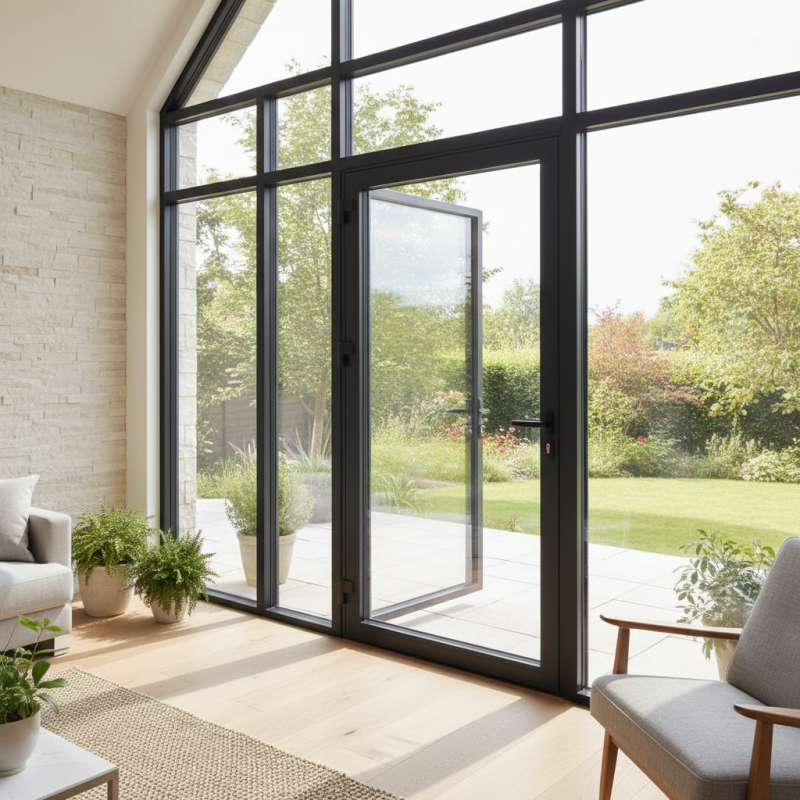
When designing a home, the significance of windows and doors often goes overlooked. These elements are vital not only for aesthetics but also for security and energy efficiency. Proper selection can enhance natural light, improve ventilation, and contribute to the overall architectural style. Windows and doors serve as crucial barriers against the elements, protecting your home from adverse weather while ensuring your living space remains comfortable.
**Tips:** When choosing windows, consider double or triple-glazed options for better insulation. This can lead to lower energy bills and a more stable indoor temperature. For doors, opt for solid materials that provide enhanced security while complementing your home’s design. Look for features like reinforced frames and high-quality locks to ensure peace of mind.
Moreover, incorporating energy-efficient designs in your windows and doors can have a long-term impact on your home's performance. Choosing low-emissivity (Low-E) glass can help maintain warmth during winter months and keep interiors cool in the summer. Also, strategically placing windows can take advantage of natural light during the day, reducing reliance on artificial lighting.
**Tips:** Always assess the orientation of your home when planning your window placements. South-facing windows can maximize sunlight and reduce heating costs, but you may need awnings or shades to prevent overheating during summer. Don’t forget to check the insulation level of the window frames; well-insulated frames contribute significantly to energy efficiency.
Assessing Safety Features of Windows and Doors for Residential Properties
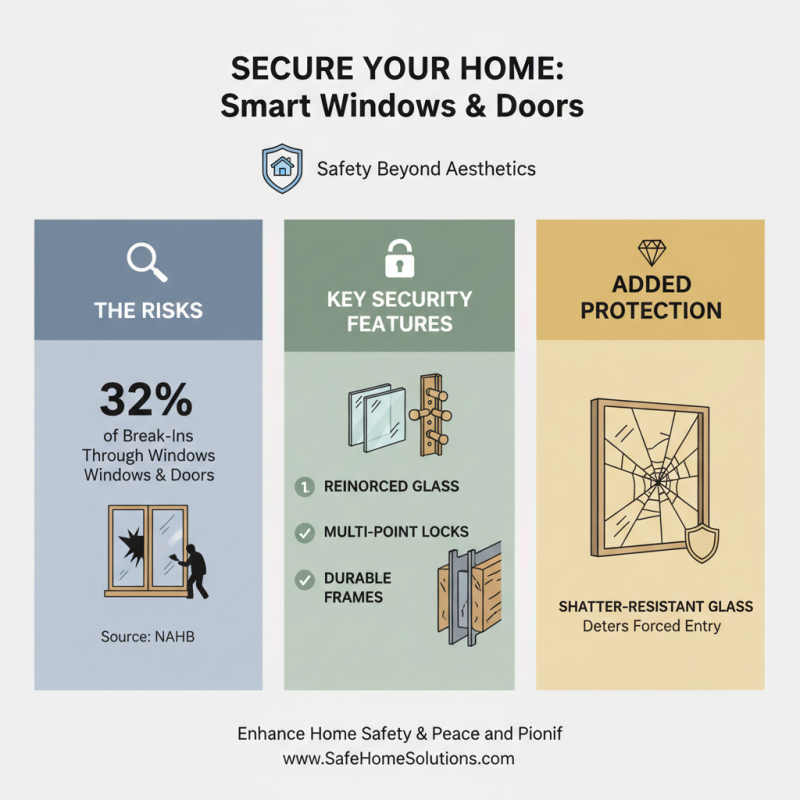
When selecting windows and doors for residential properties, homeowners must prioritize safety features alongside aesthetic appeal and energy efficiency. According to the National Association of Home Builders (NAHB), approximately 32% of break-ins occur through windows and doors, highlighting the importance of choosing products designed with security in mind. Look for reinforced glass options, multi-point locking systems, and frames constructed from durable materials, which are all essential components that enhance safety. Additionally, windows incorporated with shatter-resistant glass can significantly deter forced entry, creating an added layer of protection for families.
Moreover, evaluating safety features like fire escape routes is crucial. The International Residential Code (IRC) mandates that at least one operable window be installed in each bedroom to ensure safe egress during emergencies. This regulation exists because data from the National Fire Protection Association (NFPA) indicates that nearly 3,000 lives are lost each year in residential fires, and having accessible escape routes can be vital for survival. Homeowners should also consider windows with built-in sensors that alert them to break-ins or tampering, often integrated with smart home systems for enhanced monitoring. By prioritizing these safety features, residents not only protect their valuables but also create a secure environment for their families.
Evaluating Energy Efficiency Ratings for Windows and Doors
When selecting windows and doors for your home, understanding energy efficiency ratings is crucial for both comfort and cost savings. According to the U.S. Department of Energy, homes that implement energy-efficient windows and doors can save between 7-15% on their energy bills. This is due to their improved insulation properties that help maintain indoor temperatures, reducing the need for excessive heating or cooling.
Energy efficiency ratings are commonly depicted through the National Fenestration Rating Council (NFRC) labels, which provide key metrics such as the U-factor, Solar Heat Gain Coefficient (SHGC), and Visible Transmittance (VT). The U-factor measures the rate of heat transfer; a lower U-factor indicates better insulation. The SHGC refers to how much solar radiation is admitted through the window and transmitted indoors, with lower values preferred in hotter climates to ensure cooling efficiency. The latest reports highlight that choosing windows with a U-factor of 0.30 or lower significantly enhances a home's energy performance. Additionally, utilizing multi-pane glass can further enhance insulation, as highlighted in studies showing that double or triple-glazed units perform significantly better than single-pane options.
By carefully evaluating these energy efficiency ratings, homeowners can make informed decisions that not only optimize their living environment but also contribute to long-term savings and sustainability. Adopting windows and doors with high energy ratings is a proactive step towards a more efficient and environmentally friendly home design.
Selecting Materials for Durability and Aesthetics in Home Windows and Doors
When selecting materials for windows and doors, durability and aesthetics are crucial factors that can significantly influence the overall design of your home. High-quality materials not only enhance the visual appeal of your property but also contribute to energy efficiency and longevity. For example, materials like fiberglass or vinyl offer exceptional resistance to weather elements, ensuring that your windows and doors can withstand harsh conditions while maintaining their aesthetic charm.
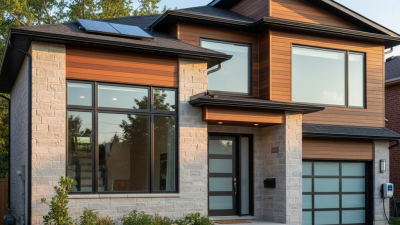
In addition to functionality, the design of windows and doors should complement the architectural style of your home. Options such as wood, aluminum, and composite materials can provide varied looks, from rustic to modern. Wood offers a classic warmth and elegance, while aluminum offers a sleek, contemporary finish. Choosing the right finish and color can further enhance your home's exterior and interior, striking a balance between style and practical benefits. Prioritizing the right materials not only leads to an attractive design but also ensures long-term performance and value.
Choosing the Right Windows and Doors for Your Home Design
Incorporating Style and Functionality in Your Home's Window and Door Choices
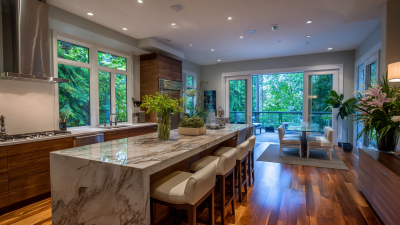
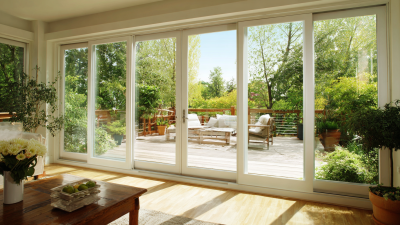
When it comes to choosing windows and doors for your home, the balance between style and functionality is paramount. The right window designs not only enhance the aesthetic appeal of your home but also maximize natural light, providing an inviting atmosphere. Large picture windows or elegantly styled casement windows can frame outdoor views and bring life into interior spaces. Meanwhile, architectural details such as divided lites or decorative moldings can add unique character, allowing homeowners to reflect their personal tastes and complement the overall design theme.
Functionality is equally important in window and door choices, as these elements play a critical role in energy efficiency and safety. For instance, double-glazed windows can improve insulation, reducing heating and cooling costs while keeping interiors comfortable year-round. Additionally, secure doors with robust locking mechanisms are vital for safeguarding your home. Opting for materials that are durable and weather-resistant ensures that your windows and doors remain functional and stylish, even in varying climatic conditions. By thoughtfully integrating style with practical features, homeowners can achieve a cohesive design that meets their needs and enhances their living environment.