Choosing a Stainless Steel Plate Manufacturer is not simply a purchasing decision. It affects safety, service life, production efficiency, and long-term maintenance costs.
Harold M. Cobb, a respected stainless steel historian and author, wrote, “Stainless steel is not one material, but a family of materials.” This practical observation matters when selecting plates for chemical tanks, food-processing lines, pressure equipment, or architectural structures. A qualified Stainless Steel Plate Manufacturer should understand the differences between 304, 316L, 321, duplex, and other grades. Each grade responds differently to chloride exposure, heat, welding, and mechanical stress.
Technical knowledge must appear in daily practice. Ask how the manufacturer controls chemical composition, plate thickness, flatness, surface finish, and heat treatment. Request mill test certificates and confirm traceability from coil or slab to finished plate. Reliable suppliers can also explain whether 2B, BA, hot-rolled, brushed, or polished surfaces suit your application. Details matter here.
Small errors become expensive.
An experienced manufacturer should discuss your operating environment before recommending a grade. That conversation may include temperature, corrosive media, forming requirements, welding methods, and expected service life. It should not sound like a generic sales script. It should feel specific to your equipment.
No supplier is perfect. Even strong manufacturers may face delays, production variations, or communication gaps. The better choice is a company that identifies these risks openly and provides corrective evidence. Certifications, inspection records, customer references, and responsive engineering support help separate dependable manufacturers from attractive but uncertain alternatives.
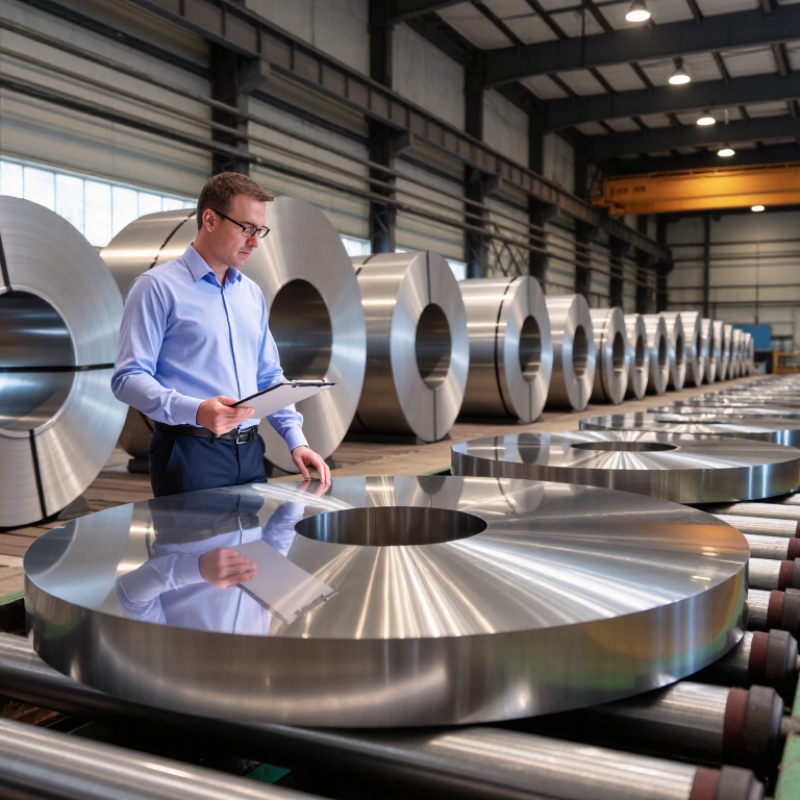
A stainless steel plate manufacturer is a company that produces flat metal plates from stainless steel coils, slabs, or custom-melted materials. Its work may include melting, casting, hot rolling, cold rolling, cutting, heat treatment, and surface finishing. A trading company only resells finished products. That distinction matters.
Experienced manufacturers control thickness, width, flatness, hardness, and surface condition at several production stages. They also understand how different grades perform in food equipment, chemical processing, construction, and marine environments. For example, 304 stainless steel often suits general fabrication, while 316 can offer better resistance in chloride-rich conditions. These choices require more than a sales quotation. They require practical knowledge of service temperature, corrosion exposure, forming needs, and welding methods.
Reliable production should include material certificates, heat numbers, dimensional records, and inspection reports. A careful manufacturer can explain testing methods, tolerances, and packaging protection before shipment. Small details matter, such as plastic film on polished surfaces or dry wrapping during humid transport. Problems still happen. A plate can develop scratches, edge distortion, or slight tolerance variation. An honest manufacturer reports these issues and improves the process instead of hiding them. Buyers should ask for production evidence, not only attractive photographs. They should also check whether the factory truly controls manufacturing or simply purchases plates from elsewhere.
Specified Chemistry Limits for Common Stainless Steel Plate Grades
A stainless steel plate manufacturer controls alloy chemistry, thickness, surface finish, heat treatment, and inspection during production. The chart compares the minimum chromium and maximum nickel limits commonly specified for selected grades under ASTM material standards. These controlled limits help manufacturers produce consistent corrosion resistance, strength, and fabrication performance, while mill test certificates provide traceability for each plate.
Choosing a stainless steel plate manufacturer means examining its production discipline, not just its catalog. In a controlled mill, production begins with selected raw materials and measured alloying elements. Molten steel is cast into slabs, then reheated and rolled to the required thickness. Hot rolling shapes the plate. Cold finishing may improve thickness control and surface appearance. Heat treatment restores properties when the grade requires it. Edges are trimmed, and surfaces are cleaned before inspection. Small details matter here.
Testing should follow recognized specifications and agreed purchase requirements. Inspectors verify chemical composition through spectrometric analysis. Mechanical tests measure tensile strength, yield strength, and elongation. Hardness checks can reveal inconsistent processing. Ultrasonic testing helps detect internal discontinuities that visual inspection cannot find. Dimensional checks cover thickness, length, width, flatness, and edge condition. Surface inspectors look for scale, scratches, pits, and laminations. Samples should remain traceable to the heat number and plate batch. Records need clear dates, signatures, and equipment identification.
Experienced manufacturers also control calibration, sampling frequency, and nonconforming material. Certificates are useful only when their data is honest and verifiable. A plate may look perfect and still fail an ultrasonic test. No process is flawless. A missed temperature trend can affect strength across an entire batch. That possibility deserves open review, corrective action, and repeat testing. Buyers should ask how deviations are handled, not merely request a certificate. Clear answers often reveal more than polished sales language.
Direct manufacturer sourcing can improve purchasing control when specifications are strict. You can discuss grade, thickness, surface finish, width, and cutting tolerance with production engineers. That detail matters. Direct communication also reduces misunderstandings between sales agents and fabricators.
A reliable manufacturer can provide mill test certificates, heat numbers, inspection records, and traceable packing labels. These documents help quality teams verify chemical composition and mechanical performance. They also support audits and installation records. Direct sourcing may shorten lead times and improve pricing for repeat orders. However, steel costs still fluctuate. Custom cutting, edge preparation, and protective film application are usually easier to coordinate at the source. An experienced technical contact may identify unrealistic tolerances before production begins. This can prevent expensive rework.
Tips: Request a recent certificate, not a generic template. Confirm when dimensions are measured. Compare quoted tolerances with your equipment’s needs. Ask about production capacity, sample reports, loading photos, and inspection procedures. Visit the facility for critical applications. If travel is impossible, use an independent inspection service. Keep one approved sample for future comparison. Small communication gaps can become costly. Check every detail.
Evaluate the manufacturer beyond a polished website or a low quotation. Ask how steel is melted, tested, marked, and stored before shipment. A reliable supplier should provide material certificates, heat numbers, dimensional records, and current inspection reports. Check whether those documents match the delivered plates.
Ask for evidence of experience with your required grade, thickness, surface finish, and cutting tolerance. A serious manufacturer can explain its rolling, annealing, pickling, and inspection controls in plain language.
Request a sample or small trial order. Examine flatness, edge condition, surface scratches, and packaging after arrival. These details often reveal more than sales promises.
Traceability matters. Review production capacity and realistic lead times. Confirm how the supplier handles nonconforming plates, replacement claims, and changing specifications. Clear answers usually indicate stronger internal control. Independent audits or recognized quality certifications can support your assessment, but certificates alone are not proof of consistent performance. Contact recent customers when possible, and ask about communication during delays. No manufacturer performs perfectly on every order. I would treat hesitation, vague records, or pressure to skip testing as warning signs. However, one late shipment should not define the entire relationship; examine the cause, corrective action, and repeated pattern.
Why Choose a Stainless Steel Plate Manufacturer?
Which Industries Depend on Stainless Steel Plates?
Stainless steel plates support demanding work across many industries. Food processing plants use them for tanks, tables, conveyors, and washing areas. Their smooth surfaces help reduce residue buildup and simplify routine cleaning. Medical facilities also depend on stable, corrosion-resistant plates for equipment frames and controlled environments. Small surface defects can matter more than expected.
Construction teams use stainless steel plates for façades, stairs, structural covers, and public fixtures. Chemical plants select them for vessels, platforms, and pipe supports exposed to aggressive substances. Marine projects require dependable plates near saltwater, where poor material selection can create early corrosion. Energy facilities often need accurate thickness, heat resistance, and documented mechanical properties.
Tips: Confirm the grade, thickness tolerance, surface finish, and test certificates before production. Ask how the plates were inspected and packed. A reliable manufacturer should provide traceability from raw material to shipment. In practice, even experienced buyers can overlook edge condition or flatness. That mistake may complicate welding and installation. Review the intended environment carefully, because “stainless” does not mean corrosion-proof in every condition. Balancing cost with service life is wiser than choosing the lowest quotation.
| Industry | Typical Stainless Steel Plate Applications | Common Plate Grades | Why Stainless Steel Is Used | Relevant Standards or Requirements |
|---|---|---|---|---|
| Food and Beverage Processing | Processing tanks, mixing vessels, conveyors, hoppers, work platforms, and hygienic equipment panels | 304/304L; 316/316L for higher chloride exposure | Cleanability, corrosion resistance, weldability, and suitability for frequent washdown operations | ASTM A240; hygienic design and applicable food-contact regulations |
| Chemical Processing | Reaction vessels, storage tanks, process piping supports, ducting, and protective linings | 316/316L; 904L; duplex 2205 for selected aggressive environments | Resistance to many acids, chlorides, process chemicals, and elevated-temperature service conditions | ASTM A240; chemical compatibility and pressure-vessel design requirements |
| Oil and Gas | Pressure equipment, separators, offshore structures, pipe supports, skid components, and corrosion-resistant cladding | 316L; duplex 2205; super duplex 2507; precipitation-hardening grades for selected components | Resistance to marine environments, chloride stress-corrosion concerns, pressure, and demanding operating conditions | ASTM A240; ASME Section VIII where applicable; project-specific sour-service requirements |
| Architecture and Construction | Roofing, façades, wall panels, canopies, elevator interiors, handrails, and decorative features | 304; 316 for coastal or high-chloride locations; ferritic grades for selected architectural uses | Weather resistance, low maintenance, modern appearance, formability, and long service life | ASTM A240; EN 10088; project-specific building and fire-performance requirements |
| Marine and Shipbuilding | Deck components, marine equipment, seawater systems, railings, tanks, and structural fittings | 316/316L; duplex and super duplex grades for severe seawater exposure | Improved resistance to chloride corrosion, wet environments, impact, and repeated maintenance exposure | ASTM A240; marine classification and fabrication requirements where applicable |
| Water and Wastewater Treatment | Clarifier components, filter housings, tanks, walkways, screens, covers, and water-treatment equipment | 304L; 316L; duplex grades for high-chloride or high-strength applications | Resistance to moisture, biological environments, cleaning chemicals, and long-term outdoor exposure | ASTM A240; applicable water-treatment, welding, and structural design specifications |
| Pharmaceutical and Biotechnology | Bioreactor parts, process vessels, cleanroom equipment, transfer systems, and sanitary enclosures | 316L; electropolished 316L for critical hygienic surfaces | High corrosion resistance, cleanability, low surface contamination risk, and compatibility with sterilization procedures | ASTM A240; ASME BPE principles; validated surface-finish and welding requirements |
| Power Generation | Boiler auxiliaries, heat exchangers, flue-gas equipment, turbine enclosures, and cooling-water components | 304/304L; 316/316L; heat-resistant grades such as 310S for selected high-temperature services | Resistance to oxidation, thermal cycling, condensate corrosion, and industrial operating environments | ASTM A240; ASME material and pressure-equipment requirements where applicable |
| Automotive and Transportation | Exhaust components, fuel-system parts, structural brackets, vehicle bodies, and transport equipment | 409; 439; 304; 316L for selected corrosion-resistant applications | Heat resistance, corrosion protection, formability, strength-to-weight efficiency, and reduced maintenance | ASTM A240 or automotive-specific material specifications; forming and fatigue requirements |
| Medical Equipment | Surgical equipment, hospital carts, instrument tables, sterilization equipment, and medical-device housings | 304/304L; 316L; precipitation-hardening grades for selected high-strength components | Hygiene, corrosion resistance, ease of cleaning, dimensional stability, and compatibility with repeated sterilization | ASTM A240; applicable medical-device, cleaning, sterilization, and biocompatibility requirements |
Note: Grade selection depends on the corrosive medium, temperature, mechanical loading, fabrication method, required surface finish, and applicable local or industry standards. ASTM A240 is widely used for stainless steel plate, sheet, and strip for pressure vessels and general applications.
Thank you!
We will be posting information soon