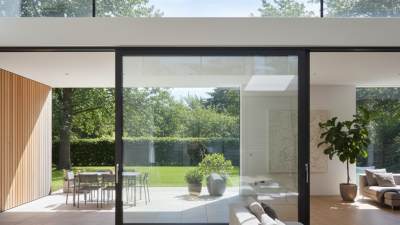
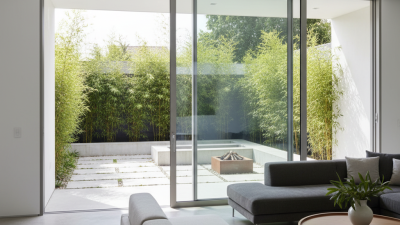
How to Choose the Right Sliding Door for Your Home?
Choosing the right sliding door for your home can greatly enhance your living space. A well-selected sliding door adds beauty and functionality to any room. This decision is essential; it influences both aesthetics and space efficiency.
Consider your home’s style and layout when selecting a sliding door. The right door should complement your interior design while maximizing light and accessibility. Various materials, such as wood, glass, and vinyl, impact durability and maintenance needs. For example, glass doors create an open feel, but they may require frequent cleaning.
Reflect on your lifestyle when choosing a sliding door. Larger households might need sturdy options to withstand daily use. Additionally, consider energy efficiency; not all sliding doors offer the same insulation. This choice can affect your comfort and energy bills. Ultimately, investing time in selecting the right sliding door pays off in the long run.
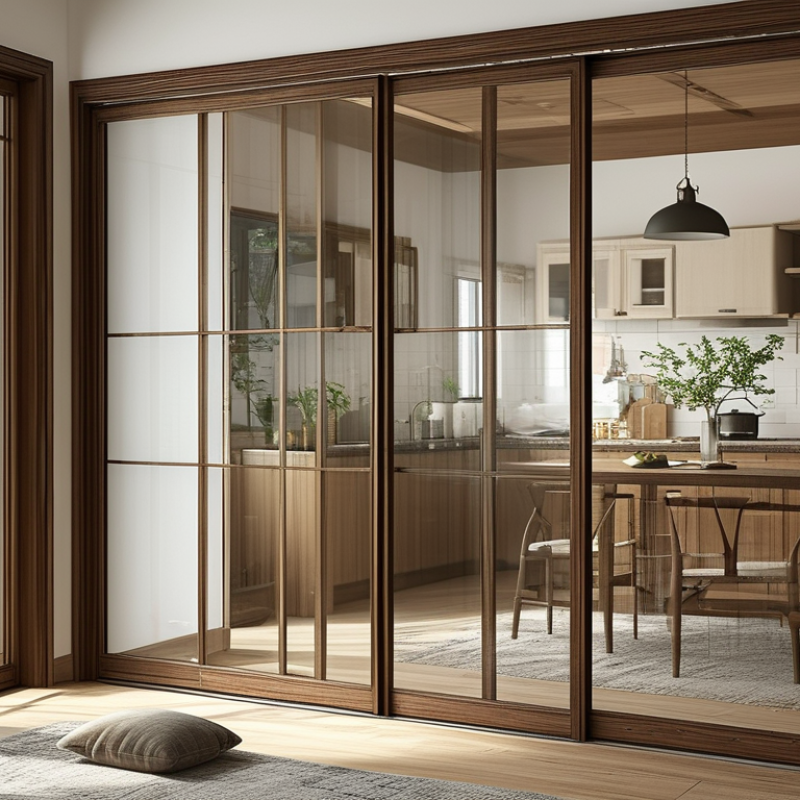
Understanding Different Types of Sliding Doors Available for Homes
When considering sliding doors, understanding the various types is crucial. There are typically three main categories: traditional sliding, pocket sliding, and bi-fold doors. Traditional sliding doors glide on a track and are easy to operate. However, they require enough wall space to open fully. Pocket sliding doors, on the other hand, disappear into the wall when opened, optimizing space in smaller areas. According to the American Architectural Manufacturers Association, these doors can increase a home’s available square footage by up to 15%.
Bi-fold doors create a wide opening by folding back in sections. They are ideal for connecting indoor and outdoor spaces, enhancing natural light. A report from the National Association of Home Builders states that homes with bi-fold doors can have a 5% higher resale value. Despite their advantages, bi-fold doors require complex installation and may need more maintenance over time. It’s important to consider these factors when choosing the right type of sliding door for your home.
Each type of sliding door comes with its own set of benefits and drawbacks. Evaluating your space, style preference, and budget is vital. Do you want easy access, more space, or simply aesthetics? Make sure to weigh all your options carefully before making a decision.
Key Factors to Consider When Choosing a Sliding Door for Your Space
When selecting the right sliding door for your home, several key factors need attention.
The door's material is crucial. Options include wood, vinyl, and aluminum.
Each material has its benefits and downsides. Wood offers elegance but may require more maintenance.
Vinyl is energy-efficient but can lack the natural charm of wood.
Next, consider the door's size and design. Measure your space carefully.
A door that is too small can feel out of place. A large door can dominate the room. The design should complement your home’s aesthetic.
Be mindful of color and texture. Sometimes, the perfect door might not fit perfectly.
Finally, think about security features. Look for doors with
strong locks and durable glass.
This is an area where you shouldn’t compromise. Some sliding doors come with built-in security systems.
Evaluate how these features align with your personal safety needs.
Reflect on how these choices impact your daily life.
Assessing the Material Options for Durability and Aesthetics
When choosing a sliding door, material plays a crucial role in both durability and aesthetics. Common materials include wood, fiberglass, and vinyl. Each option has distinct features that impact your decision. For instance, wooden doors offer warmth and beauty but require regular maintenance to prevent warping. Fiberglass is a strong alternative, resistant to moisture and fading, making it suitable for various climates.
Aesthetically, your choice of material influences your home's overall design. Wooden doors can enhance a rustic or traditional style, while vinyl doors can lend a modern, sleek appearance. However, it’s essential to weigh these aesthetics against longevity. Some materials may look stunning initially, but they might not withstand the test of time.
Consider environmental factors too. Areas with high humidity may favor fiberglass, whereas dry climates could be more suitable for wood. Reflecting on these aspects is key. An appealing look should not come at the expense of durability. Choosing the right sliding door material requires thought, balancing beauty and practicality.
Evaluating Size and Installation Requirements for Sliding Doors
When choosing a sliding door, size and installation requirements are crucial. According to a recent industry report, 83% of homeowners prioritize functionality over aesthetics. This means the door must fit seamlessly into the existing space. The standard width for sliding doors typically ranges from 60 to 72 inches, while the height is often around 80 inches. Measure your opening accurately. A slight miscalculation could lead to gaps or an awkward fit.
Installation demands special attention. Professionals recommend a level surface for operation. Many installs require a minimum of two feet of side clearance. However, not all homes can accommodate this. Research shows that 27% of sliding door owners face issues with space constraints. It’s essential to assess your room’s layout before proceeding. If your walls are too close, alternative door styles might work better.
Consider the door's weight. Heavier materials can complicate installation significantly. Approximately 45% of sliding door installations involve adjustments due to weight discrepancies. Incorrect installation can lead to door malfunction over time. It’s wise to seek advice from experts who can identify potential pitfalls before work begins. Proper planning and installation lead to long-lasting performance.
Balancing Style and Functionality in Your Sliding Door Selection
When choosing a sliding door for your home, style and functionality must go hand in hand. Sliding doors can serve as stunning focal points. They can enhance the character of any room. Think about your home's existing design. A modern door might clash with rustic decor. It's crucial to find a balance between aesthetics and practical use.
Consider the materials used in the door. Glass is popular for letting in light, but it may lack privacy. Wood offers warmth but requires maintenance. Reflect on your lifestyle too. A busy family might need a sturdy door. Does it have a smooth glide? Will it hold up to daily use? These practical considerations help ensure that the door meets your needs.
Don't overlook security features. This should be a priority, especially with large glass panels. Evaluate locking mechanisms and durability. Each choice carries weight. Choosing the right sliding door is an ongoing conversation between style and practicality. Make informed decisions, but also be open to revisiting your choices in the future. Your needs may change over time.
How to Choose the Right Sliding Door for Your Home?
| Feature |
Option 1 |
Option 2 |
Option 3 |
| Material |
Wood |
Vinyl |
Aluminum |
| Glass Type |
Clear |
Frosted |
Tinted |
| Security Features |
Locking System |
Reinforced Frame |
Multi-Point Locking |
| Style |
Traditional |
Modern |
Rustic |
| Energy Efficiency |
Low-E Glass |
Double Glazing |
Triple Glazing |