Choosing the best glass patio doors is not simply a matter of picking the largest panels. The right choice should match your home’s architecture, climate, daily habits, and security needs. A bright room may look inviting, yet excessive summer heat can make that same space uncomfortable. Careful selection matters.
Experienced installers usually examine several practical details before recommending a door. These include glass type, frame material, opening size, weather seals, drainage, and hardware quality. Low-emissivity glass can reduce heat transfer, while laminated glass may improve safety and reduce outside noise. However, no single feature solves every problem. A door facing strong afternoon sunlight needs different planning from one opening toward a shaded garden.
The operating style also affects everyday comfort. Sliding glass patio doors save interior space, but their tracks need regular cleaning. Hinged doors can provide a wider opening, though they require clear floor space and strong hinges. Measure the opening twice. Small errors can create drafts, difficult movement, or expensive adjustments later.
Energy ratings and professional installation deserve equal attention. Even efficient glass patio doors may perform poorly when the frame is misaligned or the seal is damaged. Ask suppliers for clear specifications, warranty terms, and maintenance guidance. Visit a showroom if possible. Feel the handle, inspect the rollers, and notice how smoothly the panels close.
There is no universal winner. Your best option may be less fashionable, but more reliable. A beautiful choice can still be wrong. This guide explores the key factors, helping you compare performance, appearance, cost, and long-term value with greater confidence.
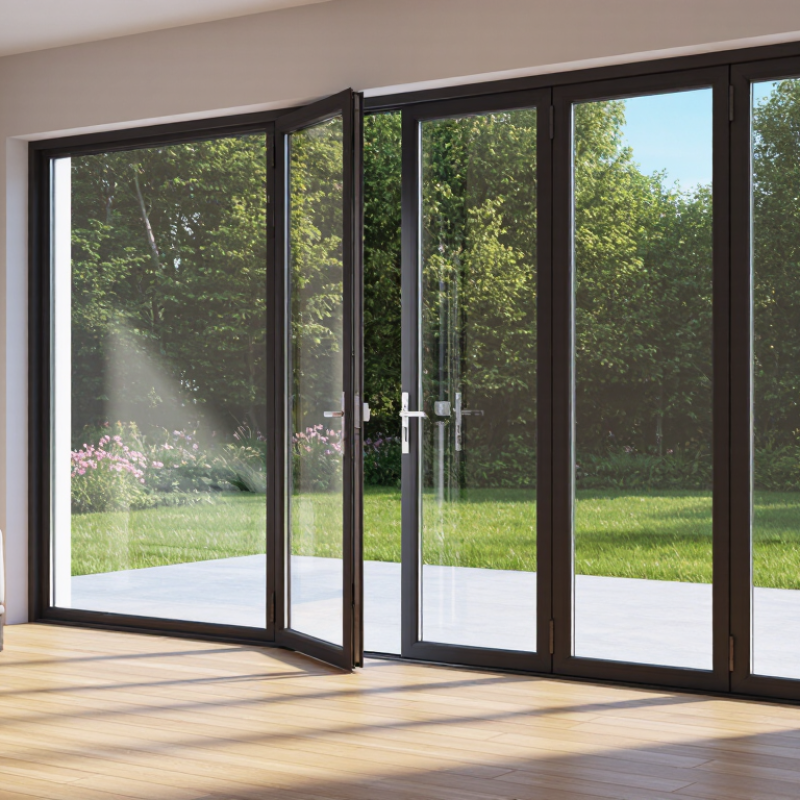
How to Choose the Best Glass Patio Doors?
What Are the Main Types of Glass Patio Doors?
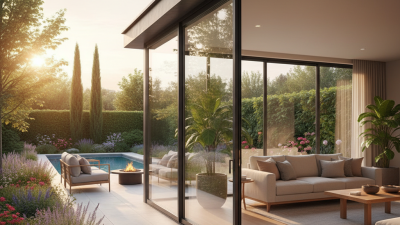
Glass patio doors come in several practical designs. Sliding doors move along a track and need little floor space. They work well beside furniture or narrow terraces. One panel usually stays fixed, while the other glides open. Quietly practical. However, the frame and track need regular cleaning. Dirt can make movement rough and reduce the seal’s performance.
French patio doors open inward or outward on hinges. They offer a traditional appearance and provide a wide passage. Their swing area requires careful furniture planning. Folding doors contain several connected panels that stack beside the opening. They can create a broad connection with a garden or balcony. Still, more panels mean more hinges, seals, and adjustment points. Lift-and-slide doors use a raised mechanism to move large panels smoothly. They often provide excellent views, but installation must be precise.
The glass matters as much as the opening style. Tempered or laminated safety glass helps reduce injury risks if breakage occurs. Low-emissivity coatings can limit heat transfer and improve indoor comfort. Check the door’s U-factor, solar heat gain, air leakage, and water resistance ratings. A qualified installer should inspect the wall opening, sill drainage, and local weather exposure. I once assumed the widest opening was always best. It was not. A smaller, well-sealed door may feel warmer, quieter, and easier to maintain.
When choosing glass patio doors, inspect the glass before admiring the view. Low-E double glazing usually improves insulation and limits fading. In colder regions, a lower U-factor matters. In sunny rooms, solar heat gain also deserves attention. These numbers work together. They should not be judged separately.
Tempered glass is common because it breaks into smaller pieces. Laminated glass can reduce noise and hold fragments together after damage. Ask about the spacer between panes. Warm-edge spacers can reduce condensation around the glass. Small details matter here. Frames need equal attention. Vinyl, aluminum, fiberglass, and wood each behave differently under heat, moisture, and movement. A sturdy frame should feel rigid, not hollow or easily twisted. Thermal breaks are valuable in metal frames.
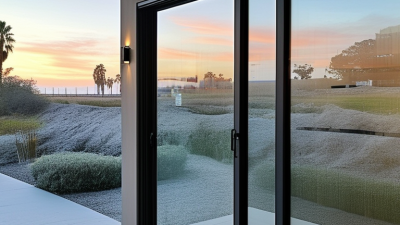
Open and close the sample door several times. Check whether the rollers move smoothly and the meeting rails align. Look for continuous weather seals, secure drainage paths, and a reliable locking system. Poor drainage can leave water near the threshold after heavy rain. I have seen attractive doors fail because installation tolerances were ignored. That is an easy mistake to underestimate. Ask for the installation requirements, not just performance ratings. An excellent door can still leak when the sill is uneven or the surrounding wall is poorly sealed.
When choosing glass patio doors, I inspect energy ratings before admiring frame colors or handle styles. The most useful number is the U-factor, which indicates how quickly heat passes through the door. Lower values generally mean better insulation. For sunny rooms, I also check the solar heat gain coefficient, or SHGC. A lower SHGC can reduce summer overheating, but colder homes may benefit from moderate solar gain.
Low-emissivity glass helps reflect indoor heat during winter and outdoor heat during summer. Double glazing is common, while triple glazing can improve comfort in severe climates. The space between panes matters too. Inert gas fills and warm-edge spacers can limit heat transfer around the glass edges.
However, impressive glass specifications cannot rescue a poorly sealed installation. I look for weatherstripping, a tight threshold, and smooth closing without visible gaps. A door that whistles in wind is already giving useful evidence.
Ask for independently verified performance data, including air leakage and condensation resistance. These figures help compare doors on more than marketing language. I once focused too heavily on a low U-factor and overlooked afternoon glare. That choice taught me to evaluate orientation, curtains, shading, and local climate together. Energy efficiency is not one feature. It is a system. Have an experienced installer confirm the opening is square, drained, and properly flashed. Even excellent doors can underperform when installation details are treated as an afterthought.
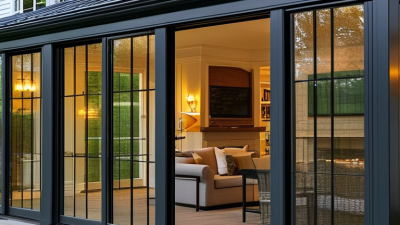
Choosing the best glass patio door starts with matching its design to your home’s visual language. A narrow, dark-framed door can suit a modern exterior with crisp lines. A wider, wood-look frame may feel warmer beside brick, stone, or traditional siding. Measure the wall, ceiling height, and furniture layout before choosing the opening size. A beautiful door can still be wrong.
The patio should guide the operation style. Sliding doors save interior space and keep sofas closer to the glass. Hinged doors create a wider opening but need clear swing space.
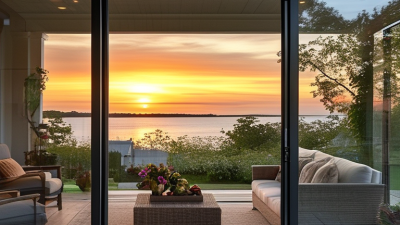
Align the door with a dining table, garden path, or strongest outdoor view. Keep the threshold as level as local drainage and building requirements allow. Small height differences matter.
Performance must support the design.
The U.S. Department of Energy reports that windows can cause 25–30% of a home’s heating and cooling energy use. Check the door’s NFRC-rated U-factor and solar heat gain coefficient before focusing on frame color.
In hot climates, lower solar heat gain can reduce afternoon glare. In colder regions, stronger insulation may matter more. The 2023 National Association of REALTORS® Remodeling Impact Report gives a new patio a 9.7 joy score out of 10, but enjoyment depends on daily usability.
I would not choose the biggest glass panel automatically. More glass can mean more glare, heat, cleaning, and privacy concerns. Test the view from sitting height. Look again at night.
Choosing a glass patio door starts with safety, not appearance.
Select tempered or laminated safety glass that meets ANSI Z97.1 or CPSC 16 CFR 1201 requirements. Tempered glass breaks into small pieces, while laminated glass can remain attached after impact. Check the product label and ask whether the glass includes visible safety markings.
A strong lock matters too. Look for a secure latch, anti-lift protection, and a frame that cannot be easily pried from the track. A screen door is not a security barrier.
Installation often decides whether the door performs well.
The opening should be square, level, and properly supported before the frame is fixed. Request a sill pan, continuous flashing, and sealed fastener holes. After installation, operate the panel several times and inspect the seal for daylight.
A basic water test can reveal poor drainage or missing sealant. The U.S. Department of Energy reports that windows can account for 25–30% of residential heating and cooling energy use, so check the NFRC label for U-factor and solar heat gain coefficient. Lower U-factor generally reduces heat transfer.
Maintenance is simple, but easy to neglect.
Vacuum tracks, clear drainage holes, and inspect weatherstripping twice a year. Do not force a stiff panel; misalignment can damage rollers and seals. ENERGY STAR guidance also recommends checking condensation and damaged caulking.
A beautiful door can still be a poor choice if installation is rushed. I would leave room for doubt, especially when a low price excludes flashing or adjustment work.
Thank you!
We will be posting information soon