How to Choose the Right Windows and Doors for Your Home?
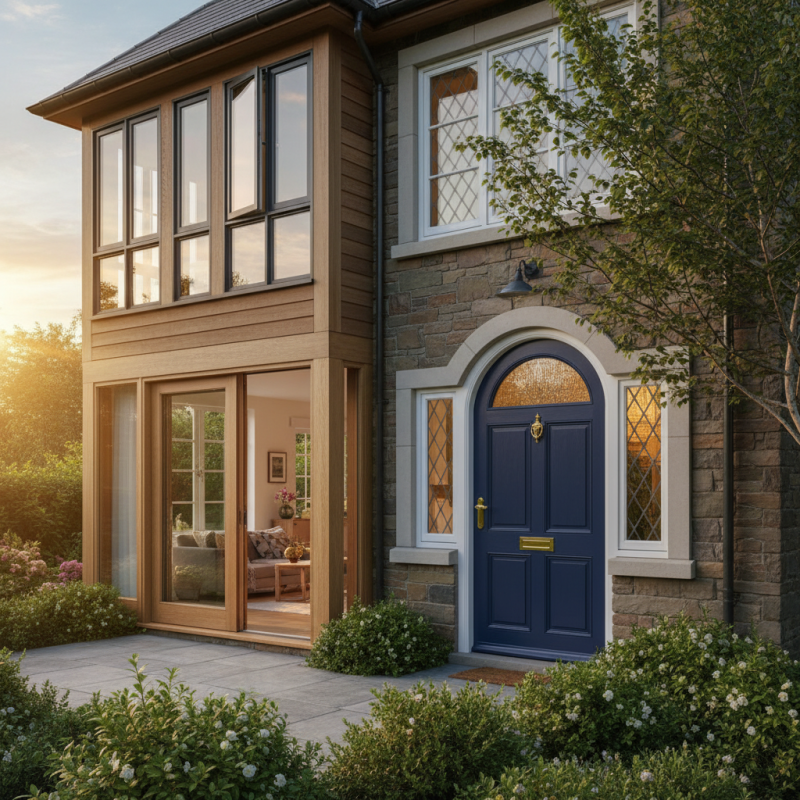
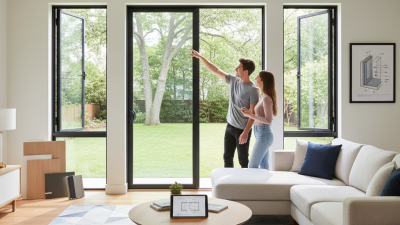
Choosing the right windows and doors is crucial for any homeowner. These elements significantly impact energy efficiency, aesthetics, and security. According to a report by the National Association of Realtors, installing energy-efficient windows can lead to a 15% reduction in heating and cooling costs. Many homeowners underestimate the importance of materials and design.
Industry expert, Sarah Thompson, emphasizes that "the right windows and doors create a balance between beauty and function." Her insights highlight a common oversight: not all beautiful designs are practical. Homeowners must consider their climate and architectural style when making choices.
Investing in quality windows and doors pays off. However, many still grapple with trends versus practicality. When selecting, reflect on long-term benefits, not just immediate appeal. Each decision should contribute to a home's overall value and comfort.
Understanding the Different Types of Windows and Doors Available
When selecting windows and doors for your home, it's essential to understand the varieties available. Windows come in several styles: double-hung, casement, sliding, and more. Each style offers unique benefits. For example, double-hung windows allow for easy cleaning and airflow. Casement windows, opening outward, provide excellent ventilation.
Doors also have diverse options, like hinged, sliding, or bi-fold types. Hinged doors swing open and are simple to install. Sliding doors save space and often help to create a seamless transition between indoor and outdoor areas. Bi-fold doors fold back, making them ideal for large openings.
Consider the materials used too. Wood adds warmth but requires maintenance. Vinyl is low-maintenance and energy-efficient. There’s beauty in imperfections. For instance, wooden frames may warp over time. Think about your local climate and home style. Choose wisely. The right choices can transform your living space.
Evaluating Energy Efficiency Ratings for Windows and Doors Installation
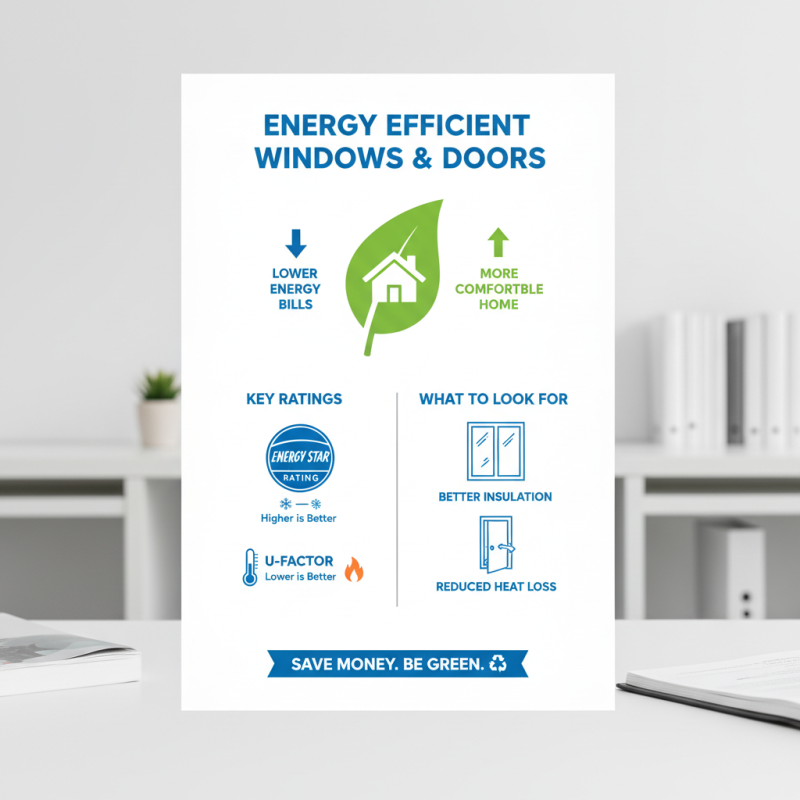
When selecting windows and doors, energy efficiency is key. The energy ratings indicate how much energy these elements will save you over time. Look for windows with a high Energy Star rating. This suggests better insulation and lower heating costs. The U-factor measures how well a window insulates. A lower U-factor is more efficient.
Consider the material of the windows and doors too. Vinyl options are often energy-efficient and require little maintenance. However, wooden frames can also provide good insulation, though they may need more upkeep. Think about the climate where you live. In colder areas, double or triple-pane glass can improve insulation.
Don’t overlook the importance of sealing and installation. Poorly sealed windows and doors can lead to drafts. This can negate the benefits of energy-efficient products. Evaluate the installation process carefully. Sometimes it’s worth hiring a professional, even if it adds to the cost. A small mistake during installation can result in significant energy loss. Reflect on the long-term benefits of quality choices and proper installation.
Assessing Material Options: Wood, Vinyl, and Fiberglass Comparisons
When selecting windows and doors, material is key. Wood, vinyl, and fiberglass each offer unique benefits and drawbacks. Wood is classic and provides natural beauty. However, it may require regular maintenance and can warp over time. Vinyl is low maintenance and energy-efficient, but it might lack the aesthetic charm of wood. Fiberglass offers durability and excellent insulation, but costs can be higher upfront.
Tips: Consider your local climate. If you experience harsh weather, fiberglass may be your best option. If aesthetics are crucial, high-quality wood can make a home feel warm and inviting. Remember to take your budget into account. It's easy to get swayed by beautiful designs and forget about costs.
Before making your final choice, think about energy efficiency. Double or triple-pane options help with insulation. They reduce heating and cooling costs over time. Weigh the long-term savings against initial costs. Research and compare different products. It can be overwhelming, but take your time to reflect on what suits your lifestyle best.
Comparative Analysis of Window and Door Materials
Selecting the Right Style and Design to Enhance Home Aesthetics
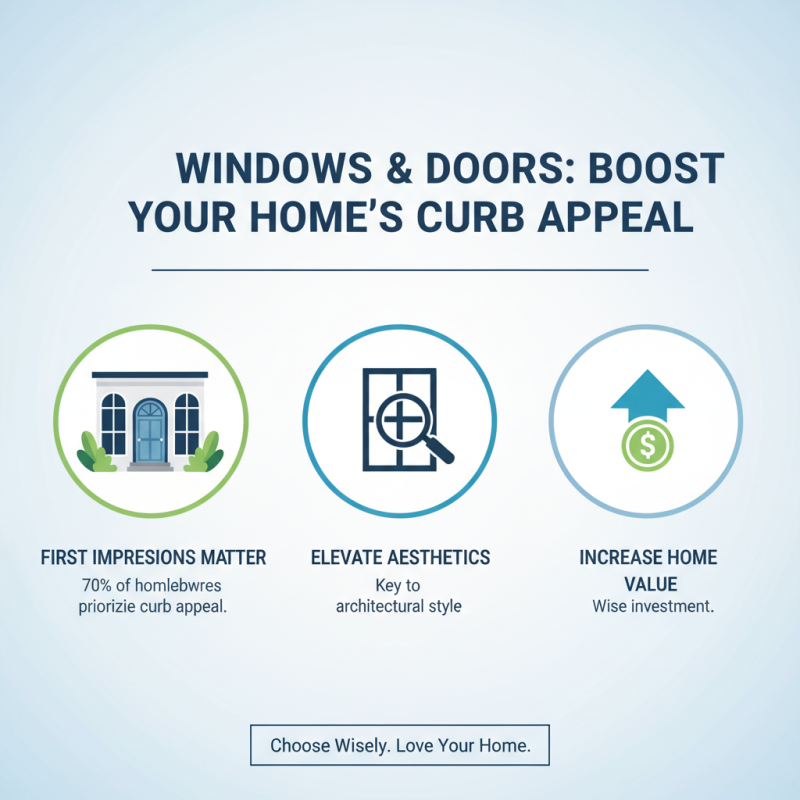
Choosing the right style and design for windows and doors is crucial for enhancing your home's aesthetics. Research shows that 70% of home buyers consider curb appeal a priority. A well-chosen door or window can significantly impact first impressions.
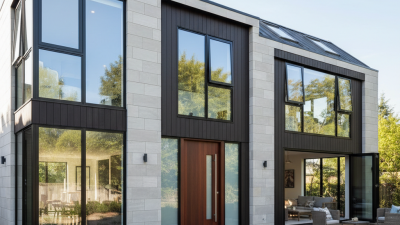
Consider the architectural style of your home. Traditional homes often benefit from classic designs like double-hung windows or paneled doors. In contrast, modern architecture may favor sleek glass features. According to a recent survey, homeowners typically prefer designs that complement their existing structures, with 65% opting for matching materials.
Color and texture also matter. A bold color can make a statement, while neutral tones offer timeless elegance. However, trendiness can lead to regrets. A survey revealed that 40% of homeowners wish they had chosen more classic options. Keep functionality in mind too: energy efficiency ratings should not be overlooked. Combining style with practicality creates a balance that enhances long-term satisfaction.
Considering Cost vs. Long-Term Investment in Window and Door Choices
When choosing windows and doors for your home, it’s essential to weigh initial costs against long-term benefits. Research shows that energy-efficient windows can save homeowners about $465 annually on energy bills. This can add up significantly over time. High-quality doors also enhance energy efficiency and improve curb appeal, which adds to the home's overall value.
However, investing in cheaper options may lead to higher replacement costs later. According to the National Association of Realtors, high-quality windows and doors can return about 70-80% of their initial investment at resale. This data underscores the importance of considering long-term performance rather than just upfront expenses. Balancing immediate spending with future savings can be challenging, requiring a thoughtful approach.
Durability matters too. Poorly made materials might cause drafts and increase heating costs. A client once reported needing to replace their windows twice in ten years, adding significant unplanned expenses. In contrast, windows that resist wear can last up to 30 years. Reflecting on such stories can prompt crucial insights for homeowners aiming to make financially sound decisions.