How to Choose the Right Sliding Glass Doors for Your Home?
Choosing the right sliding glass doors can significantly enhance your home’s aesthetic and functionality. These doors offer a seamless transition between indoors and outdoors, inviting natural light. However, picking sliding glass doors involves more than just style. Consider the space, climate, and your lifestyle.
Different materials and designs can impact maintenance and efficiency. Do you prefer aluminum or wood frames? Each has its advantages. A well-chosen door can reduce energy costs but may require thoughtful reflection on your home's unique needs. Make sure the style complements your décor and functions effectively.
Imagine hosting gatherings with friends, where your sliding glass doors create an inviting atmosphere. Yet, you might find your initial choice doesn't meet all your needs after a while. Pay attention to details like security features and insulation. Your sliding glass doors should provide comfort and beauty, so choose wisely.
Understanding Different Types of Sliding Glass Doors: Materials and Styles
When selecting sliding glass doors, consider different materials and styles. Common materials include vinyl, wood, and aluminum. Vinyl is durable and energy-efficient, making it a popular choice. Wood offers a classic look but can require more maintenance over time. Aluminum is lightweight and resistant to weather but might lack insulation. Each material has its pros and cons.
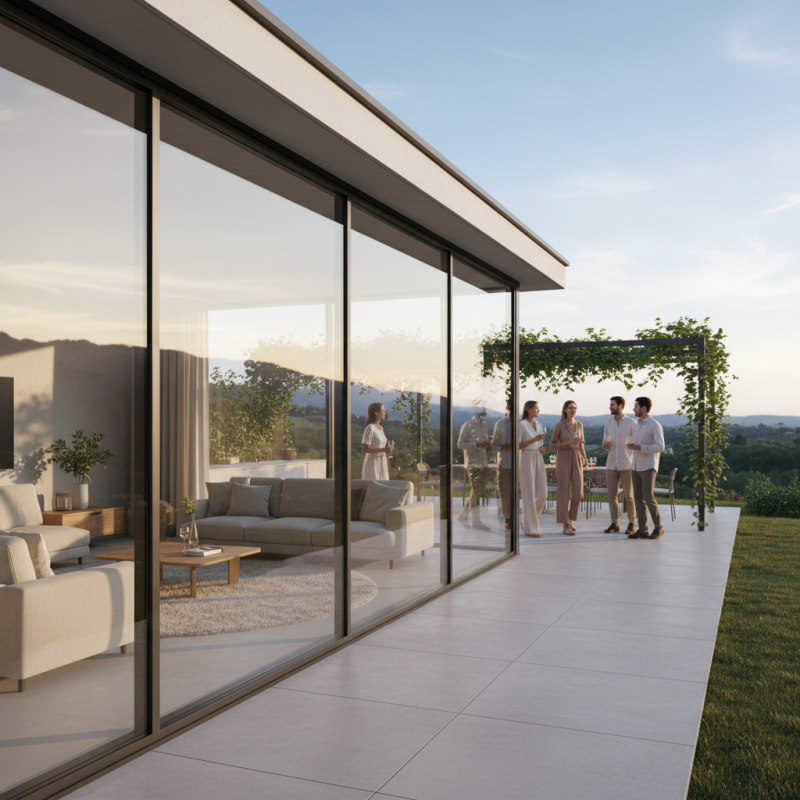
Style is equally important. Modern sliding doors often feature clean lines and large glass panels. They maximize natural light and provide stunning views. Traditional styles may include detailed frames and divided light grids. Do consider how each style fits your home’s architecture. It’s easy to overlook how these choices impact the overall feel of your space.
Also, think about privacy. Some glass doors offer frosted or tinted options. They can help maintain your home’s comfort while still allowing light in. Remember, taking time to reflect on your choices can lead to better outcomes. You might find that a particular style or material resonates with your vision. Keep an open mind as you explore these options.
Comparative Analysis of Different Sliding Glass Door Materials
Evaluating Energy Efficiency: U-Values and Solar Heat Gain Coefficient
When choosing sliding glass doors, energy efficiency is key. Understanding U-values and Solar Heat Gain Coefficients (SHGC) helps determine how well doors insulate against heat transfer. A lower U-value means better insulation. For climates with cold winters, prioritize doors with low U-values to keep your home warm. In contrast, high SHGC can be beneficial in cooler regions, allowing natural heat during winter days.
Tips for assessing energy efficiency: Check the energy labels of sliding glass doors. Look for doors that meet or exceed local energy efficiency standards. Also, examine the frame materials. Frames made from vinyl or fiberglass tend to offer better insulation compared to aluminum.
Consider the orientation of the doors too. South-facing sliding glass doors can gain heat from the sun, impacting your home's temperature. Reflective or low-E glass can reduce heat gain and glare. Reflect on what works best for your specific needs. Are you in a sunny area or a cooler climate? These factors will guide your choices.
How to Choose the Right Sliding Glass Doors for Your Home? - Evaluating Energy Efficiency: U-Values and Solar Heat Gain Coefficient
| Door Type |
U-Value (W/m²K) |
Solar Heat Gain Coefficient (SHGC) |
Energy Rating |
| Standard Sliding Door |
1.8 |
0.25 |
C |
| High-Efficiency Sliding Door |
1.2 |
0.20 |
A |
| Triple Glazed Sliding Door |
0.9 |
0.15 |
A+ |
| Low-E Glass Sliding Door |
1.4 |
0.22 |
B |
| Insulated Sliding Door |
1.5 |
0.24 |
B+ |
Selecting the Right Size: Standard Dimensions and Custom Options
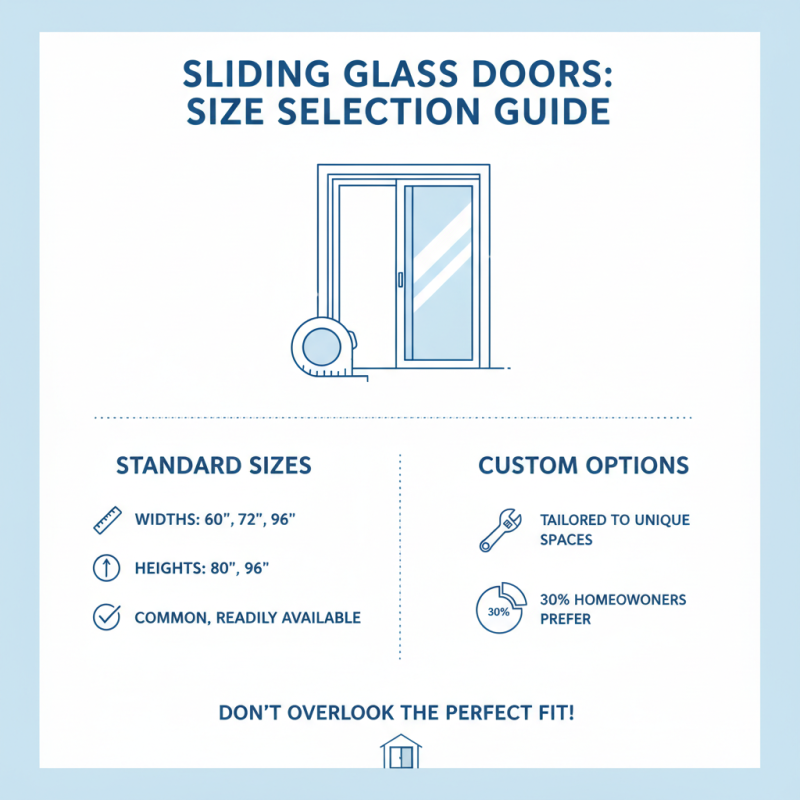
When choosing sliding glass doors, selecting the right size is critical. Standard dimensions often come in widths of 60, 72, or 96 inches and heights ranging from 80 to 96 inches. However, many homeowners overlook custom options. About 30% of homeowners prefer custom sizes to fit unique spaces, proving that standard dimensions might not always be the best choice.
A study showed that incorrect sizing can lead to inefficiencies. For example, poorly fitted doors may result in higher energy bills due to air leaks. Moreover, aesthetic concerns arise when doors look out of place. Custom sliding glass doors can enhance harmony in your home. Even slight deviations in size can affect the overall appearance and functionality.
When considering installation, keep in mind that your door should accommodate existing frames. Gaps can lead to moisture issues. Working with accurate measurements is vital for a secure fit. Be cautious, as estimating sizes inaccurately is a common pitfall. Ensure to double-check dimensions to avoid costly mistakes during installation.
Assessing Security Features: Locks, Impact Resistance, and Codes
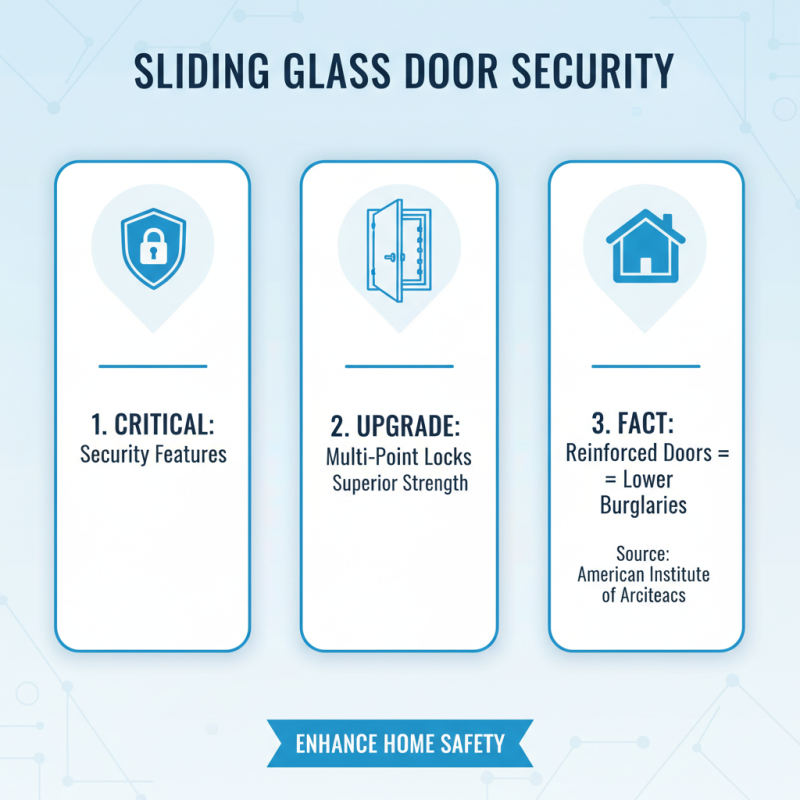
When considering sliding glass doors, security features are critical. Locks play a vital role in enhancing safety. Many experts recommend multi-point locking systems. They offer more strength than traditional locks. According to a study by the American Institute of Architects, homes with reinforced doors have lower burglary rates.
Impact resistance is another essential factor. The glass should withstand strong winds and potential break-ins. The ASTM (American Society for Testing and Materials) provides ratings for impact resistance. Choosing doors rated for severe weather can be wise. Despite knowing this, many homeowners overlook these ratings. They focus more on aesthetics than safety.
Building codes vary, yet they provide a framework for safe installations. These codes often mandate certain standards for glass doors. Familiarizing yourself with local codes safeguards your investment. Many assume their contractor will handle this, but it's not always the case. Homeowners should take an active role in ensuring compliance.
Considering Aesthetic Harmony: Integrating Doors with Home Design and Landscape
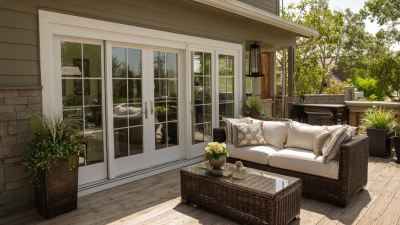
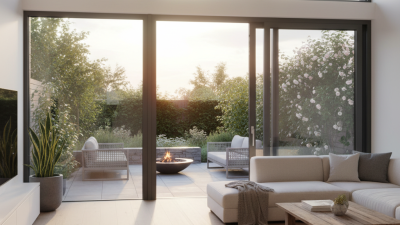
When choosing sliding glass doors, consider how they fit with your home’s design and surrounding landscape. The right doors can enhance the aesthetics of both the interior and exterior. Large glass panels bring in natural light and create a seamless transition between outside and inside spaces. Think about the view you want to highlight. If your garden is beautiful, let sliding doors frame it.
Material plays a crucial role too. Wood provides warmth, while metal offers a modern touch. Be mindful of colors. They should complement your home's palette. Choose tones that resonate with existing elements. This creates a unified look. Textures can add depth. A rough finish can contrast beautifully with smooth surfaces.
However, it’s easy to overlook the practicality. Do these doors withstand your local weather? Will they slide smoothly over time? Evaluate their functionality alongside beauty. A perfect match doesn’t just look good. It must perform well too. Reflect on your lifestyle. Are the doors easy to maintain? Integration requires thoughtful consideration. It’s a balance of form and function.