How to Choose the Best Rotary Drilling Rig for Your Needs?
Choosing the right Rotary Drilling Rig can significantly impact your project’s success. A suitable rig ensures productivity and efficiency at the job site. Factors to consider include soil conditions, project scale, and operational needs. You must evaluate the depth and type of drilling required.
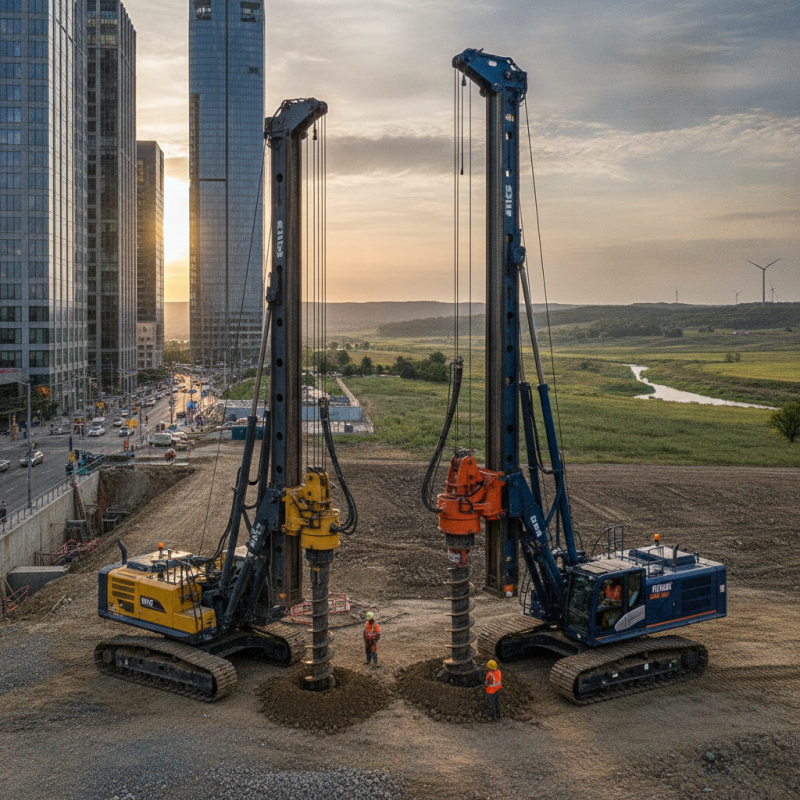
The specifications of a Rotary Drilling Rig play a crucial role. For example, a compact model may be ideal for urban sites where space is limited. In contrast, larger rigs are more suited for expansive, rural projects. Each type has advantages and drawbacks, making your choice vital.
Understanding the nuances of different rigs demands experience and expertise. Don't rush into a decision. Assess your requirements carefully. Speak with industry professionals if you are unsure. They can provide insights that might prevent costly mistakes. Selecting the right rig may not be straightforward, but informed choices lead to better outcomes.
Understanding Rotary Drilling Rig Types and Their Applications
When selecting a rotary drilling rig, understanding the different types and their applications is key. Rotary drilling rigs can vary widely, serving various purposes in construction, mining, and oil extraction. For instance, some rigs are designed for deep foundation drilling, while others are suited for environmental monitoring. Knowing your specific needs is crucial.
There are several types of rotary drilling rigs, including truck-mounted and crawler rigs. Truck-mounted rigs are flexible, making them ideal for projects requiring mobility. Crawler rigs excel in stability and are capable of handling heavier workloads. Each type has strengths and limitations. For example, mobility might come at the expense of power and vice versa.
Also, consider the technical specifications of each rig. Some may handle hard rock, while others perform better in softer soils. Cleaning and maintenance often get overlooked but play a critical role in performance. Not all operations require the most advanced technology; sometimes, simpler designs work best. Always weigh your options and assess what features matter most in your particular context.
Key Specifications to Consider When Selecting a Rotary Drilling Rig
Choosing the right rotary drilling rig involves focusing on key specifications. One vital aspect is the rig's power output, measured in horsepower. Higher horsepower translates to better efficiency and performance, especially in challenging soil conditions. Look for models that match your drilling depth and type of material.
Another crucial specification is the rotary speed, essential for efficient drilling. Different projects require different speeds. Slower speeds help in dense materials, while faster speeds are ideal for soft soils. Pay attention to torque ratings too. High torque ensures smoother drilling and reduces wear on equipment.
Weight and mobility are also significant factors. A rig that is too heavy may struggle on certain terrains, while a lighter rig could be less stable in tough conditions. Consider transport and setup ease. Reflect on how these elements align with your project needs. Balancing power, speed, and mobility can sometimes feel overwhelming. However, aligning them with your specific projects will yield better results.
How to Choose the Best Rotary Drilling Rig for Your Needs? - Key Specifications to Consider When Selecting a Rotary Drilling Rig
| Specification | Details |
| Drilling Depth | Up to 600 meters |
| Rotary Torque | 2000 Nm to 5000 Nm |
| Weight | 15,000 kg to 30,000 kg |
| Power Source | Diesel Engine / Electric Motor |
| Operational Range | 12 m to 25 m |
| Control System | Manual / Remote Control |
| Drilling Method | Direct Push / Rotary Drilling |
| Hydraulic System Pressure | 200 bar to 300 bar |
| Mobility | Tracked / Wheeled |
| Accessories | Augers, Drill Bits, Rods |
Evaluating the Performance Metrics of Rotary Drilling Rigs
Choosing the right rotary drilling rig involves evaluating key performance metrics. These metrics can significantly impact project outcomes. Factors such as drilling speed, torque, and versatility are critical. According to industry reports, rigs that offer higher penetration rates can reduce project time by up to 35%. This emphasizes the importance of speed in selecting equipment.
The torque rating is another vital metric. It determines the rig’s ability to handle various ground conditions. Rigs with adjustable torque settings can adapt to different soil types. This flexibility is essential, as geological conditions can vary greatly. A recent study highlighted that rigs capable of adjusting torque saw a 25% increase in efficiency during tough drilling conditions.
Tips: Always assess the power-to-weight ratio. A balanced rig can maneuver more efficiently on-site. Regular maintenance checks can prevent unexpected breakdowns, saving time and money. Owners should also consider the rig’s resale value, as this can affect long-term financial planning. Ultimately, the right choice will involve careful consideration of these performance metrics and how they align with specific project needs.
Assessing Cost-Benefit Analysis for Your Drilling Project Needs
Choosing the right rotary drilling rig starts with a careful cost-benefit analysis tailored to your specific project needs. Understanding the overall expenses is crucial. Look beyond the initial purchase price. Consider maintenance costs, operational expenses, and potential downtime. A low-priced rig may require more repairs over time. This could lead to significant losses in productivity.
Evaluate the expected return on investment (ROI) for your drilling project. Higher efficiency can result in larger quantities of material extracted. Consider the lifespan of the equipment. An investment in a more reliable rig might seem expensive but can yield greater savings over its lifetime. Calculate potential profits against costs to form a clearer picture.
When assessing options, gather data from multiple sources. Reviews from experienced operators offer valuable insights. Explore case studies that compare different rigs in similar conditions. Their lessons learned could guide your decision-making process. Be mindful that every choice has trade-offs. Reflect on how each rig’s features align with your project goals.
Reviewing Industry Standards and Compliance for Rotary Drilling Equipment
When selecting a rotary drilling rig, understanding industry standards and compliance is crucial. The International Organization for Standardization (ISO) provides guidelines that regulate the manufacturing and operational safety of drilling equipment. Compliance with ISO 9001 ensures quality management practices, essential for long-term reliability in operations. Additionally, adherence to ISO 14001 can minimize environmental impacts. This standard emphasizes sustainable practices, crucial as industries face increasing scrutiny for environmentally conscious efforts.
The American Petroleum Institute (API) has also established standards relevant to rotary drilling. The API Spec 7-1 outlines specifications for drill bits, emphasizing performance and safety. A study from Schlumberger indicates that rigs meeting API standards face fewer technical failures. With 70% of applications reporting significant downtime due to equipment issues, choosing compliant rigs can enhance operational efficiency.
However, not all equipment meets these standards uniformly. A recent report highlighted that nearly 30% of drilling rigs lack full compliance documentation. This could lead to increased risks and operational setbacks. Selecting a rig that adheres to these standards not only increases safety but also improves project outcomes. Assessing the compliance status of potential rigs is often overlooked but should be a key factor in decision-making.