What is the Best Type of Sliding Glass Doors for Your Home?
When choosing sliding glass doors for your home, think about the impact on your space. These doors can enhance natural light and connect indoor and outdoor environments. The right sliding glass doors can create a seamless transition, but with various options available, the decision can feel overwhelming.
Consider the materials, styles, and functionalities that suit your needs. Options range from wooden frames to aluminum designs, each offering unique benefits. Look for energy efficiency ratings, as they can affect your energy bills. Security features also matter, so examine locks and glass strength.
It's essential to reflect on your lifestyle when selecting sliding glass doors. Do you have children or pets? This influences your choice of materials and locking mechanisms. Research and consultation with specialists can guide you to the best fit for your home. These decisions require careful thought, as the right choice can greatly enhance both comfort and aesthetic appeal.
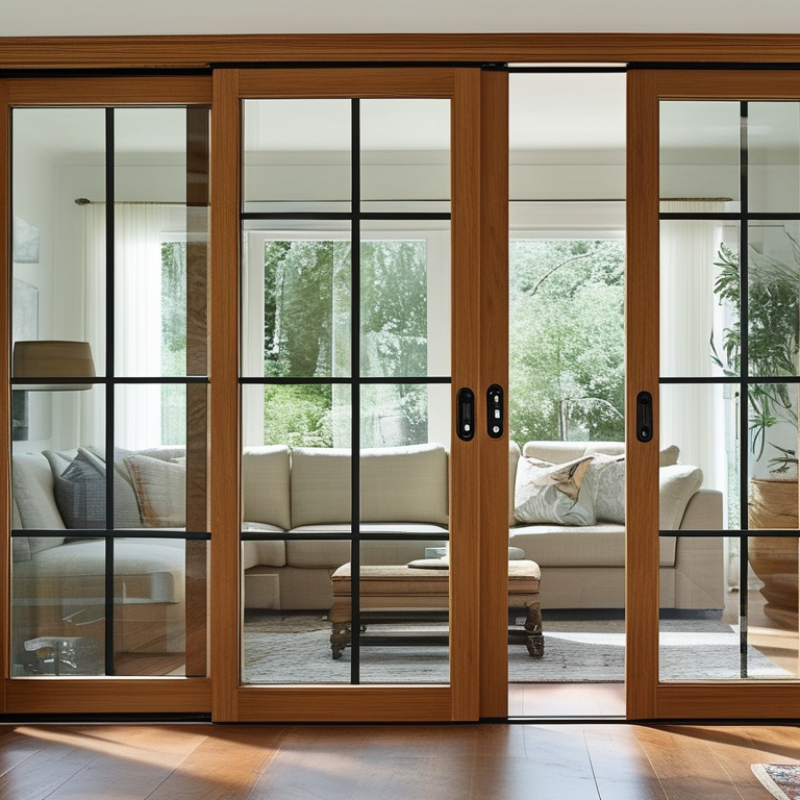
Types of Sliding Glass Doors: An Overview of Options
Sliding glass doors come in various styles, each with distinct benefits. Considered a staple in modern homes, these doors enhance both aesthetic appeal and functionality. According to a report from the National Association of Home Builders, sliding glass doors can increase a home's energy efficiency by up to 30%. This is particularly relevant for homeowners looking to balance design and utility.
There are mainly three types of sliding glass doors: traditional, multi-slide, and pocket doors. Traditional sliding doors are simple and usually made of vinyl or aluminum. Multi-slide doors provide larger openings and are often ideal for connecting indoor and outdoor spaces. Pocket doors, on the other hand, slide into the wall, saving space. The choice among these can impact both the flow and accessibility of your living area.
Yet, it's not just about style. Installation quality matters significantly. Poor installation can lead to air leaks and higher energy bills. In fact, a study by the American Society of Home Inspectors revealed that over 20% of sliding glass doors fail due to improper fitting. Homeowners should prioritize professional installation to ensure long-term performance. Always consider factors like climate and usage patterns when selecting a door type. Each option has its strengths and potential pitfalls that warrant careful evaluation.
Materials Used in Sliding Glass Doors: Glass, Frame, and More
When choosing sliding glass doors for your home, the materials play a vital role. The glass is often the focal point. Tempered glass is a popular choice due to its strength. It is less likely to shatter compared to regular glass. This choice enhances safety, especially in homes with children or pets. Opting for Low-E glass can help improve energy efficiency as well. This type of glass reflects heat, keeping your home warmer in winter.
The frame materials significantly influence durability and maintenance. Aluminum frames are lightweight and resistant to rust. However, they may not insulate heat as well as wood. Wooden frames offer a classic look but can require more upkeep. They are susceptible to weather damage if not maintained properly. Vinyl frames are another option, providing a balance between affordability and durability. They resist fading and require little maintenance, although they might not offer the visual warmth of wood.
Consideration of these materials will guide you. It’s essential to assess your home's style and your personal preferences. Choosing the right combination can elevate your living space. Yet, each material has its pros and cons. Weighing these factors is crucial for making a well-informed decision.
Energy Efficiency Considerations for Sliding Glass Doors
Energy efficiency is a key factor when choosing sliding glass doors for your home. Well-insulated doors can significantly reduce energy bills. Look for options that feature double or triple glazing. These designs trap air between the glass layers, enhancing insulation. Consider the frame materials too, as vinyl and fiberglass offer better thermal performance than aluminum.
Natural light is a wonderful feature of sliding glass doors. However, this can also lead to heat loss in winter and excessive heat in summer. Low-emissivity (Low-E) coatings are an effective solution. They reflect heat back indoors during winter and reduce heat gain in summer. This balance can be crucial for maintaining a comfortable indoor climate.
While selecting energy-efficient doors seems straightforward, there are challenges. Not all products clearly state their energy ratings. Homeowners should seek professional advice and conduct thorough research. Every home is unique, so understanding how factors like local climate affect your choice is essential. Making an informed decision ensures that your investment pays off in the long run.
Design Aesthetics: Choosing the Right Style for Your Home
When selecting sliding glass doors for your home, design aesthetics play a crucial role. The style of doors you choose can dramatically influence the overall ambiance of your space. According to a 2020 study by the American Institute of Architects, over 70% of homeowners prioritize visual appeal when making renovation decisions. This statistic underscores the importance of aligning door styles with your home’s design.
Consider the architectural style of your home. A modern home may benefit from sleek, minimalistic sliding doors, while a traditional home might look best with doors that have more detailed framing. The finish of the doors can also affect the atmosphere. For example, opting for matte black frames creates a bold contrast against light-colored walls, according to the National Association of Home Builders. However, it’s essential to consider how these choices harmonize with interior décor and outdoor views to achieve a cohesive look.
Balance is key; while striking designs are appealing, functionality must not be overlooked. Some sliding doors may look good but may require more space for operation. Take into account the daily use of the doors and how well they will serve your lifestyle. The aesthetic appeal should complement practical considerations, ensuring that your home remains beautiful and functional for years to come.
What is the Best Type of Sliding Glass Doors for Your Home?
| Type of Sliding Glass Door |
Material |
Energy Efficiency |
Aesthetic Appeal |
Typical Price Range |
| Vinyl Sliding Doors |
Vinyl |
Good |
Contemporary |
$600 - $1,200 |
| Aluminum Sliding Doors |
Aluminum |
Excellent |
Modern |
$700 - $1,500 |
| Wood Sliding Doors |
Wood |
Variable |
Classic |
$900 - $2,000 |
| Fiberglass Sliding Doors |
Fiberglass |
Very Good |
Sleek |
$800 - $1,800 |
Installation and Maintenance Tips for Sliding Glass Doors
When choosing sliding glass doors, installation matters significantly. Proper alignment is essential to ensure smooth operation and longevity. Begin by measuring the opening accurately. The rails should be level and secure. An uneven installation can lead to functional issues over time. Make sure to follow the manufacturer's guidelines closely. Missteps at this stage can cause costly repairs later.
Maintenance is equally important. Regular cleaning of the tracks helps prevent debris buildup. Consider using a soft brush or a vacuum to remove dirt. Lubricating the rollers can also improve sliding ease. A common pitfall is neglecting these small tasks. Many homeowners forget to check seals and weather stripping. Over time, wear and tear can lead to drafts or moisture issues. It's helpful to inspect these areas periodically to maintain efficiency.
Finally, consider seasonal changes. In colder months, the sliding mechanism might freeze. A gentle thawing process is crucial to avoid damage. Reflecting on your home's specific needs can guide you in maintaining your sliding glass doors effectively. Pay attention to these aspects for better durability and performance.
Types of Sliding Glass Doors and Their Popularity
This chart illustrates the popularity of different types of sliding glass doors based on recent market research. Each type is evaluated based on the percentage of preference among homeowners.