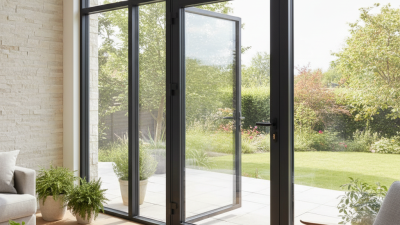
10 Best Long Windows and Doors for Global Buyers
Choosing the right long windows and doors can reshape a building’s light, airflow, comfort, and visual character. For global buyers, the decision involves more than attractive photographs or a low quoted price. Frame material, glass performance, opening direction, drainage, installation quality, and after-sales support all deserve careful attention.
This guide reviews ten long windows and doors suited to different architectural needs and climates. Some options emphasize wide views, while others provide stronger thermal control or easier access for daily living. We consider aluminum, uPVC, timber, and hybrid systems, along with sliding, folding, lift-and-slide, and fixed designs. Practical details matter. A coastal home may need corrosion-resistant finishes, while a cold region may require insulated frames and low-emissivity glazing. In a humid project, drainage paths and seal quality can influence long-term performance.
Small choices matter.
The recommendations draw on common manufacturing practices, product specifications, and installation experience. However, no product performs perfectly in every building. A premium door can still fail when the opening is poorly prepared. A beautiful timber frame may demand more maintenance than expected. Buyers should verify regional testing, energy requirements, wind exposure, glass safety, warranty terms, and replacement-part availability before ordering. These points can vary by country and project type.
The aim is not to promote one universal solution. It is to help architects, developers, contractors, and homeowners compare credible options with clearer expectations. Measure twice. Review the details. Then choose a system that balances design, durability, comfort, and dependable support.
Types of Long Windows and Doors for International Buyers
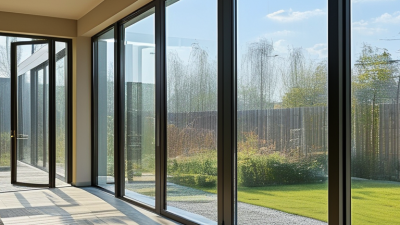
Long windows and doors create wider views, stronger daylight, and easier movement between indoor and outdoor spaces. For global buyers, the right type depends on climate, wall structure, and daily use.
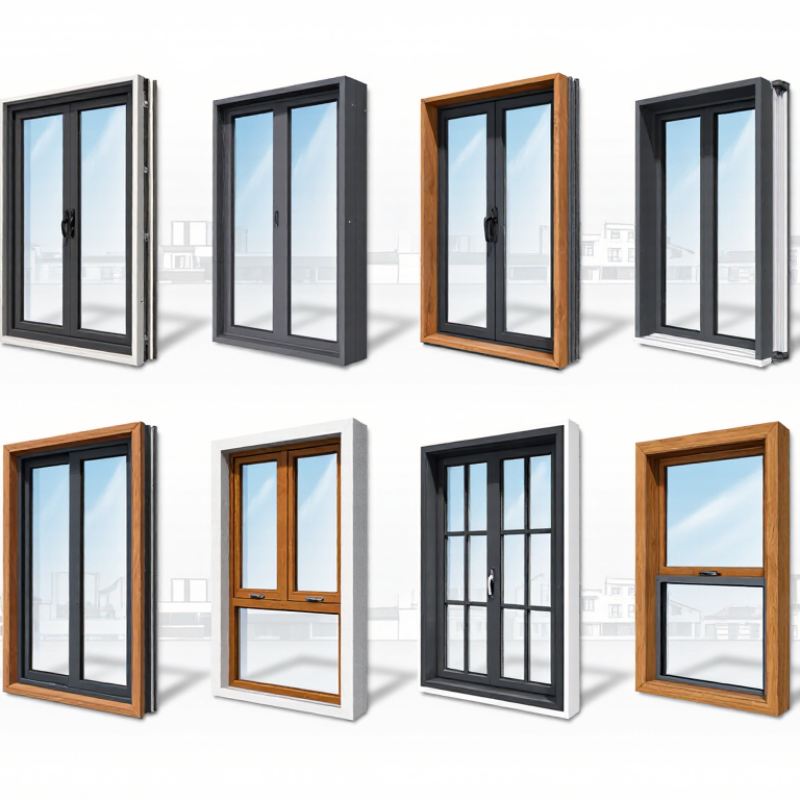
Sliding doors suit balconies and compact rooms because their panels move along tracks. Lift-and-slide systems handle large glass panels with less operating effort. Folding doors can open almost an entire wall, but they need accurate installation and clear floor space. Long fixed windows provide uninterrupted views, while casement or awning windows improve ventilation beside them. Corner glazing adds drama, although it may increase structural and insulation requirements.
Choose frames made from thermally improved aluminum, reinforced uPVC, or engineered timber according to local weather. In windy coastal areas, request tested air, water, and wind performance. Low-emissivity double glazing often balances insulation and cost; triple glazing may help in colder regions. Check panel weight, glass thickness, drainage paths, threshold height, and opening direction before ordering. Small details matter.
I have seen attractive wide systems fail because the floor was not level. That mistake is expensive. Buyers should request shop drawings, installation tolerances, warranty terms, and replacement-part support in writing. Standard dimensions may reduce shipping problems, but custom sizes can fit unusual walls better. Bigger is not always better. A beautiful opening can still feel cold, noisy, or difficult to maintain.
Key Features to Compare Before Choosing Long Windows and Doors
Choosing long windows and doors requires more than measuring the opening. I have seen attractive oversized panels fail because the frame was too weak for local wind pressure. Check the exact width, height, weight, and support conditions before comparing prices. A small measurement error can create expensive installation problems.
Glass performance should match the climate. Low-emissivity double glazing may suit mild regions, while triple glazing can improve comfort in colder areas. Ask for verified U-values, solar heat gain data, and acoustic ratings. Do not trust vague claims. Frame materials also matter. Thermal breaks reduce heat transfer, but they need proper drainage and durable seals. Inspect air leakage, water resistance, and wind-load test results. These details often reveal more than appearance.
Hardware deserves close attention. Smooth rollers, corrosion-resistant locks, and adjustable hinges help large panels operate safely over time. For homes near the coast, salt-resistant components are especially important. Confirm safety glass requirements and local building regulations before ordering. Installation quality is equally critical; even excellent products can leak when the sill lacks correct flashing. I would also compare warranty terms, replacement-part access, cleaning needs, and delivery protection. My own checklist is not perfect, and product specifications can be difficult to compare across countries. Request complete technical documents, installation drawings, and recent project references before making a final decision.
10 Best Long Windows and Doors for Global Buyers
Key Features to Compare Before Choosing Long Windows and Doors
How to read this chart: The bars show representative maximum glazed opening widths commonly used for different long-window and door configurations. The line shows a representative high-performance whole-window U-factor target, where a lower value indicates better thermal insulation. Actual results depend on frame material, glazing, hardware, structural design, local wind loads, and certified project testing.
Top 10 Long Window and Door Styles for Global Markets
10 Best Long Windows and Doors for Global Buyers
Top 10 Long Window and Door Styles for Global Markets
Long openings are reshaping modern façades, but style must follow climate and installation reality. The ten most adaptable options include lift-and-slide doors, multi-slide doors, folding doors, French doors, slim sliding doors, pivot doors, panoramic fixed windows, corner windows, clerestory windows, and long casement windows. Lift-and-slide systems suit wide terraces, while folding doors create nearly continuous openings. Fixed panoramic windows deliver strong views with fewer moving parts. Yet, they offer limited ventilation.
The U.S. Department of Energy reports that windows can cause 25% to 30% of household heating and cooling energy use. This makes glass selection more important than appearance alone. Low-emissivity coatings, insulated frames, warm-edge spacers, and external shading can reduce unwanted heat transfer. The International Energy Agency also reports that buildings consume about 30% of global final energy. Long windows need careful thermal planning.
Market preferences vary. Tropical buyers may value shaded clerestory windows and corrosion-resistant casement frames. Cold-climate projects often need triple glazing and tightly sealed lift-and-slide doors. Coastal locations demand tested hardware and stronger drainage paths. Local wind, water, and seismic requirements should guide every specification. A beautiful corner window can fail when its junction is poorly detailed. That is the uncomfortable part. Designers sometimes select dramatic dimensions before checking delivery limits, wall strength, or maintenance access. Industry reports provide useful direction, but site experience still decides whether a long opening performs well.
Materials, Energy Efficiency, Security, and Maintenance Considerations
Long windows and doors can transform a room, but their performance depends on more than glass size. Frame materials deserve careful attention.
Thermally broken aluminum offers slim profiles and strong structural support, while uPVC usually provides good insulation with lower maintenance. Timber adds warmth and repairability, but it needs regular sealing in wet or sunny climates. Hybrid frames can balance appearance, durability, and thermal performance.
Energy efficiency starts with the whole opening, not the pane alone. Buyers should compare U-values, solar heat gain, air leakage, and tested performance under local conditions. Low-emissivity glazing and argon-filled cavities may reduce heat transfer. However, excellent glass cannot fix poor installation. Long frames need accurate structural support, proper drainage, and flexible perimeter seals. Small errors can cause drafts or water stains. Thermal comfort matters.
Security requires a layered design. Multi-point locking, laminated glass, reinforced hinges, and strong anchor points can improve resistance to forced entry. Yet complicated hardware may need more adjustment over time. Ask for documented testing and installation guidance from qualified professionals. Maintenance should include cleaning tracks, checking seals, lubricating compatible hardware, and inspecting drainage holes. Salt air, dust, and intense sunlight can shorten service intervals. No long window or door is maintenance-free. A practical specification may sacrifice a little visual width for better stiffness, easier repair, and dependable operation after years of seasonal movement.