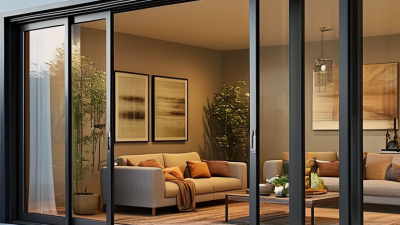
2026 Top Types of Windows and Doors for Global Buyers
In 2026, global buyers will judge windows and doors by more than appearance. Energy performance, weather resistance, security, and installation quality now shape long-term value. A large glass slider may suit a coastal villa, but it can perform poorly in strong wind without suitable engineering. A narrow thermal-break window may work better in a cold city with severe winter heating demands.
This guide examines the top types of windows and doors for different climates, building styles, and budgets. It compares uPVC, aluminum, timber, composite, sliding, folding, casement, tilt-and-turn, and entry systems. Each option has strengths and compromises. That matters. No single product fits every market. Buyers should check U-values, solar heat gain, air leakage, water resistance, hardware quality, glazing thickness, and local installation experience. Product labels alone are not enough.
Architect and building presenter George Clarke has said, “Windows are the eyes of a building.” His observation captures both design and function. Windows frame daylight, views, ventilation, and comfort. Doors also define movement, security, and first impressions. Based on practical project considerations and current fenestration trends, this overview helps importers, developers, architects, and homeowners compare options with greater confidence. I may still overlook a regional preference or unusual climate. That limitation deserves attention. Reliable decisions come from verified test data, clear warranties, competent installers, and honest performance expectations—not attractive photographs alone.

2026 Window and Door Taxonomy: Five Main Types for Global Buyers
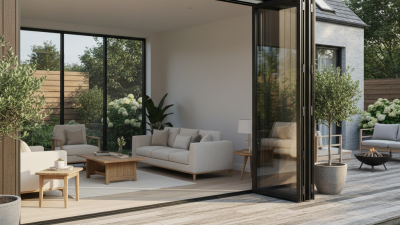
The 2026 taxonomy groups windows and doors into five practical families: fixed, hinged, sliding, folding, and pivot or tilt-turn. Fixed units provide daylight and airtightness, but no ventilation. Hinged casement windows and swing doors offer strong sealing and simple maintenance. Sliding systems save floor space, although their track tolerances require careful installation. Folding units create wide openings for cafés, villas, and shared terraces. Pivot and tilt-turn designs support controlled airflow, yet their hardware demands higher technical accuracy.
Energy performance makes this classification commercially important. The International Energy Agency’s Buildings 2023 report states that buildings consume about 30% of global final energy and produce roughly 26% of energy-related emissions. The U.S. Department of Energy also estimates that windows can cause 25–30% of residential heating and cooling energy use. A low-e glazed, well-sealed fixed window may outperform a cheaper operable unit in a hot climate. That sounds obvious. It is often missed.
Global buyers should compare U-values, solar heat-gain coefficients, air leakage, water resistance, acoustic ratings, and tested wind loads. Climate changes the decision. Sliding doors suit compact urban balconies, while outward-opening systems may work better where drainage and ventilation matter. The taxonomy is useful, but not perfect. “Folding” can describe different hardware layouts across markets, and local test standards are not always directly comparable. Product drawings, installation records, and independent laboratory reports deserve more trust than attractive performance claims.
2026 Window and Door Taxonomy: Five Main Types for Global Buyers
Representative thermal performance of common double-glazed window and door systems
Lower U-values indicate better thermal insulation. Casement and tilt-and-turn windows generally achieve stronger airtightness than sliding systems, while insulated hinged doors typically perform better thermally than large-format sliding patio doors. Actual results depend on glazing, frame material, spacer design, installation quality, and regional testing standards.
Energy Performance: Buildings Use About 30% of Global Final Energy (IEA)
Buildings use about 30% of global final energy, according to the International Energy Agency. Windows and doors strongly influence this demand. Poorly sealed frames can let heated or cooled air escape within minutes. Efficient choices include double or triple glazing, low-emissivity coatings, insulated doors, and thermally broken frames. These features reduce heat transfer through glass and metal.
Climate should guide the specification. In cold regions, low U-values help retain indoor warmth. In hot, sunny areas, suitable solar-control glass can reduce cooling loads. Air leakage also matters, especially around corners, hinges, and installation joints. A high-performance window can still underperform when fitted carelessly. That detail is easy to overlook. Buyers should request tested U-values, air-permeability ratings, and clear installation instructions. Product data must match local conditions, not only laboratory claims.
Tips: Compare the complete assembly, not just the glass. Check frame material, spacer quality, seals, drainage, and installation tolerance. Ask for independent test reports where available. Consider orientation, shading, ventilation, and maintenance before selecting a window or door type. Triple glazing is not automatically better for every climate or budget. A balanced decision may perform better than an expensive one chosen without site data.
2026 Top Types of Windows and Doors for Global Buyers
Energy Performance: Buildings Use About 30% of Global Final Energy (IEA)
This comparison highlights commonly specified window and door systems for new construction and renovation projects. Thermal values are indicative product-level ranges and should be confirmed through certified test data for the complete frame, glass, spacer, hardware and installation assembly.
Indicative Performance and Selection Guide for Global Buyers
| Product Type |
Typical Configuration |
Indicative U-Value
(W/m²·K) |
Solar Heat Gain
Coefficient |
Visible Light
Transmittance |
Main Advantages |
Best-Fit Applications |
| Single-Glazed Window |
One glass pane, usually 4–6 mm |
5.0–5.9 |
0.70–0.85 |
0.80–0.90 |
Low initial cost; simple fabrication; high daylight and passive solar gain |
Mild climates, unconditioned spaces and heritage-style renovations where permitted |
| Double-Glazed Clear Window |
Two panes with an air or gas-filled cavity |
2.4–3.0 |
0.55–0.75 |
0.70–0.82 |
Better insulation and acoustic comfort than single glazing; broad market availability |
General residential and commercial projects in moderate climates |
| Low-E Double-Glazed Window |
Double glazing with a low-emissivity coating and insulated spacer |
1.1–1.6 |
0.25–0.65 |
0.45–0.75 |
Strong balance of insulation, daylight and solar control; reduced condensation risk |
Most energy-efficient residential upgrades and mainstream commercial façades |
| Triple-Glazed Low-E Window |
Three panes with two insulated cavities and low-E coatings |
0.6–0.9 |
0.25–0.55 |
0.45–0.70 |
Excellent thermal comfort, noise reduction and cold-climate performance |
Cold climates, high-performance buildings and low-energy housing |
| Secondary-Glazed Window |
Independent internal glazed layer added to an existing window |
1.4–2.0 |
0.45–0.75 |
0.55–0.80 |
Improves thermal and acoustic performance while retaining the original exterior window |
Historic buildings, retrofit projects and locations with strict façade requirements |
| Vacuum-Insulated Glazing |
Sealed panes separated by a vacuum cavity and micro-supports |
0.4–0.7 |
0.30–0.60 |
0.45–0.75 |
Very low center-of-glass heat transfer with a relatively thin glazing build-up |
Space-constrained retrofits and high-performance renovation projects |
| Insulated Opaque Exterior Door |
Insulated metal, timber or composite leaf with perimeter seals |
0.8–1.5 |
Not applicable |
Not applicable |
Low heat transfer, improved weather resistance and privacy |
Main entrances, service doors and buildings requiring high thermal efficiency |
| Insulated Glazed Door |
Insulated frame with double or triple low-E glazing |
1.0–1.8 |
0.25–0.65 |
0.45–0.75 |
Combines daylight, outdoor access and improved energy performance |
Balconies, patios, garden rooms and commercial access points |
| Lift-and-Slide Door |
Large sliding panels raised from the seals during operation |
0.8–1.6 |
0.25–0.65 |
0.45–0.75 |
Wide openings, smooth operation and better sealing than conventional sliding systems |
High-end residential, hospitality and large indoor–outdoor openings |
| Folding or Bi-Fold Door |
Multiple hinged panels connected by a track and folding to one or both sides |
1.0–2.0 |
0.25–0.65 |
0.45–0.75 |
Creates a wide clear opening and offers flexible ventilation and access |
Residential terraces, restaurants, cafés and flexible commercial spaces |
Buyer Priority
Compare whole-product U-values, not glass-only values. Frame material, edge spacers, operating hardware and installation quality can materially affect real-world performance.
Climate Strategy
Cold climates generally benefit from lower U-values, while hot climates may require lower solar heat gain, external shading and suitable ventilation strategies.
Specification Check
Request accredited test reports for thermal transmittance, air permeability, water tightness, wind load, acoustic performance and safety classification.
Reference basis: International Energy Agency (IEA), Buildings sector analysis; ISO 10077-1 and ISO 10077-2 for thermal transmittance of windows, doors and shutters; EN 14351-1 for windows and external pedestrian doorsets; NFRC rating methodology for fenestration thermal and solar-performance metrics. Values shown are indicative ranges, not product certifications.
Thermal Ratings: Compare U-Value, SHGC and Low-E Glass by Climate
For global buyers, thermal ratings deserve more attention than frame style. U-value measures heat transfer through a window or door. Lower values indicate better insulation. The U.S. Department of Energy reports that windows can cause 25–30% of residential heating and cooling energy use. That figure makes small rating differences meaningful.
Climate changes the correct specification. Cold regions usually need low U-values, such as 0.8–1.2 W/m²K for high-performance glazing. However, very low U-value does not automatically prevent summer overheating. SHGC shows how much solar heat enters through the glass. Its scale runs from 0 to 1. Hot climates often benefit from lower SHGC, commonly below 0.30. In colder, sunny climates, a moderate or higher SHGC may provide useful passive warmth. Orientation still matters. A south-facing window can behave differently from a shaded north-facing window.
Low-E glass uses a thin coating to reduce radiant heat transfer. It can also control solar gain, depending on its design. The National Fenestration Rating Council’s NFRC 100 standard stresses whole-product testing, not glass-only assumptions. That distinction is easy to miss. The International Energy Agency’s Buildings report identifies buildings as responsible for about 30% of global energy demand, reinforcing the value of better envelopes. Yet ratings are not the whole story. Poor installation, air leakage, and unsuitable shading can weaken impressive laboratory results. Real projects remain imperfect. Verify the certified U-value, SHGC, climate zone, and installation method before comparing quotations.