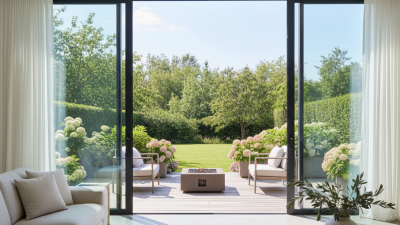
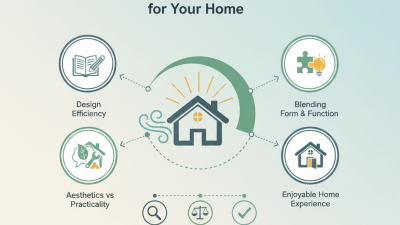
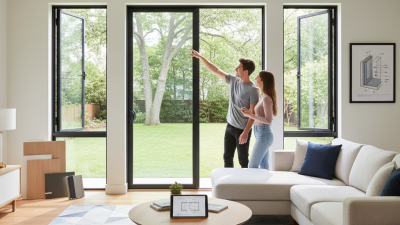
2026 Top Trends for Windows and Sliding Glass Doors?
As we look ahead to 2026, the world of windows and sliding glass doors is poised for significant transformation. These elements are not just functional; they shape the aesthetic and energy efficiency of our homes. Innovations in design and technology will enhance both security and comfort. Homeowners are increasingly seeking options that blend style with sustainability.
Trends suggest that larger panes and smarter designs will dominate the market. Soaring energy costs demand solutions that offer improved insulation. Tougher materials are being developed, but concerns about their environmental impact linger. While these changes promise better performance, they also raise questions about manufacturing practices and long-term sustainability.
Understanding the evolving landscape of windows and sliding glass doors is crucial for homeowners, builders, and designers. Staying informed is essential as new materials and styles emerge. This journey into 2026 offers both exciting advancements and challenges to consider. Embracing these trends while remaining mindful of their implications will shape the future of home design.
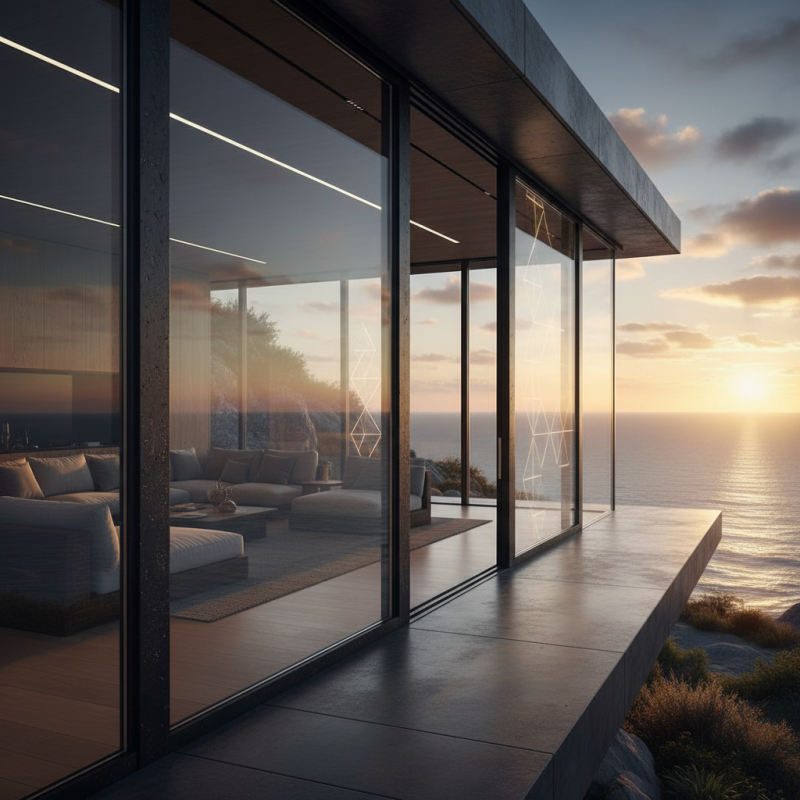
Emerging Materials in Window and Sliding Glass Door Design
The design of windows and sliding glass doors is evolving rapidly. A significant trend is the incorporation of innovative materials that enhance functionality and aesthetics. For instance, according to a recent report by the Window and Door Manufacturers Association, fiberglass and composites are gaining popularity due to their durability and resistance to harsh weather. This shift improves energy efficiency, contributing to lower heating and cooling costs.
By 2026, we can expect a surge in the use of performance glazing. This advanced glass offers superior insulation and reduces UV damage to furnishings. Additionally, manufacturers are increasingly adopting eco-friendly materials, aligning with sustainable building practices. The International Energy Agency reports that energy-efficient windows can save homeowners an average of 15-20% on energy bills.
Tip: When selecting new windows or doors, consider installations that prioritize both aesthetics and energy efficiency. Pay attention to the framing material, as it can significantly impact performance.
Another trend is the rise of smart technology integration. Automated systems can improve ventilation and security, making modern windows user-friendly. However, not every smart feature may be necessary for every home. Homeowners should carefully evaluate their needs versus the costs involved.
Tip: Assess your lifestyle before upgrading to smart windows. Determine which features will genuinely add value to your daily living.
2026 Top Trends for Windows and Sliding Glass Doors
| Trend |
Description |
Material Used |
Energy Efficiency Rating |
Sustainability Score |
| Smart Glass |
Glass that changes from clear to opaque when a voltage is applied. |
Electrochromic Glass |
A+ |
High |
| Triple-Pane Windows |
Enhanced insulation with an extra layer of glass. |
Low-E Glass |
A++ |
Medium |
| Biophilic Design |
Design that integrates natural elements and light into spaces. |
Wood and Glass Combinations |
A |
High |
| Minimalistic Design |
Sleek and simple designs that maximize natural light. |
Aluminum Frames |
B+ |
Medium |
| Recycled Materials |
Use of recycled materials in window and door frames. |
Recycled Plastics |
B |
Very High |
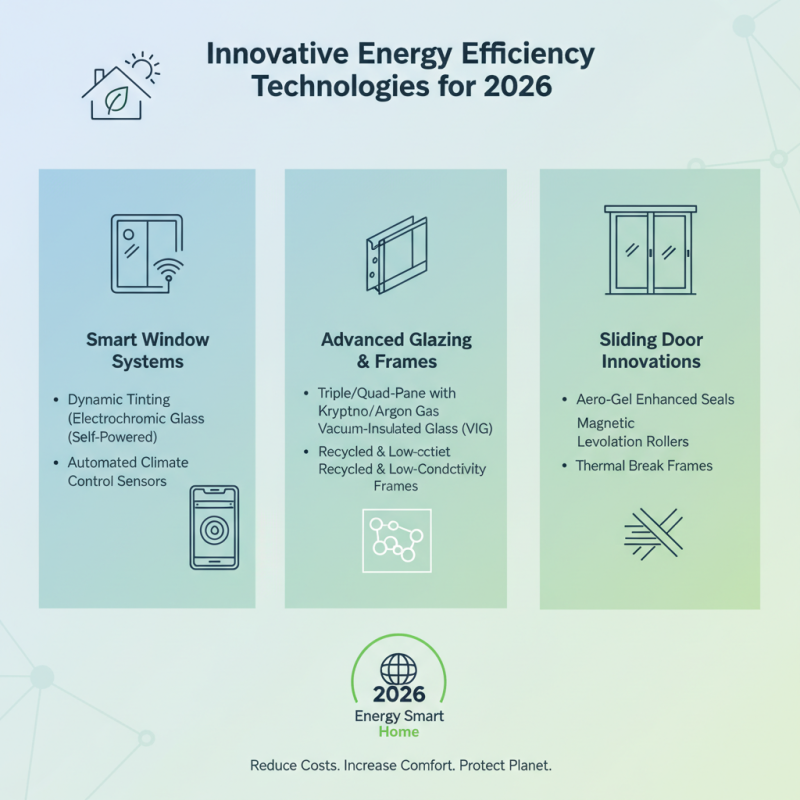
Innovative Energy Efficiency Technologies for 2026
In 2026, energy efficiency is at the forefront of window and sliding glass door innovations. Homeowners now prioritize sustainable designs that reduce energy consumption. This shift comes from a growing awareness of climate change and rising energy costs. New technologies are emerging to address these concerns.
One notable trend is advanced glazing. This involves multiple glass layers with gas fillings, enhancing thermal insulation. The result is reduced heat loss during winter and minimal heat gain in summer. The manufacturing processes have improved considerably, leading to more durable materials with longer lifespans. However, not every homeowner understands the importance of proper insulation. Some overlook this when choosing glass solutions.
Another important development is smart window technology. These windows can adjust their tint automatically based on light exposure. They offer comfort while reducing cooling costs. Yet, many consumers remain skeptical about the complexity and cost of these systems. Education on their long-term benefits is essential to encourage adoption. Overall, the future is bright for energy-efficient windows and doors, but understanding their benefits remains a hurdle for many.
Smart Home Integration Trends for Windows and Sliding Doors
The integration of smart home technology into windows and sliding glass doors is reshaping residential spaces. According to a report by the Consumer Technology Association, 70% of homeowners are interested in smart home solutions. This trend includes automatic shades, energy-efficient windows, and security features like smart locks.
Consumers are looking for enhanced convenience. Voice-activated controls allow seamless interaction. For example, you can adjust your windows or sliding doors with simple commands. Sensors can monitor air quality and adjust ventilation automatically. This level of integration enhances comfort and reduces energy costs.
Tip: When considering smart windows or doors, prioritize compatibility with your existing system. Choose devices that can communicate with each other effectively.
Another trend is
data analytics for energy efficiency. Windows can now collect and report data on temperature fluctuations, helping homeowners make informed decisions. This technology not only promotes sustainability but can also result in
significant cost savings over time.
Tip: Regularly update your smart home software. It improves functionality and security. Keeping devices up to date ensures efficiency and longevity.
The landscape for windows and sliding glass doors is evolving rapidly. The focus on smart integration highlights the growing desire for
automation,
energy efficiency, and
security in modern living spaces.
Sustainable Practices in Manufacturing and Installation
Sustainable practices are reshaping the windows and sliding glass door industry. According to a report by the National Association of Home Builders, sustainable building materials can reduce energy consumption by up to 30%. Manufacturers are increasingly adopting eco-friendly materials, such as recycled glass and sustainable wood. These choices not only reduce waste but also minimize the carbon footprint.
Installation processes also benefit from sustainability practices. Proper installation can enhance energy efficiency, improving the overall performance of windows and doors. Studies show that poorly installed units can lead to energy losses of 10-25%. Training installers in eco-friendly techniques ensures that homes remain energy efficient.
However, challenges persist. Some manufacturers struggle with sourcing sustainable materials at scale, which can increase costs. Additionally, consumers often prioritize initial price over sustainability, creating a dilemma. As the industry evolves, balancing cost and environmental responsibility remains essential for long-term success.
Aesthetic Developments: Styles and Finishes for Modern Homes
The aesthetics of windows and sliding glass doors are evolving rapidly.
Modern homes are increasingly favoring minimalistic designs that emphasize clean lines. According to industry reports,
65% of homeowners now prioritize visual appeal alongside functionality. Natural finishes,
such as wood or stone,
are in high demand, providing warmth and texture to contemporary spaces.
Tips:
Consider using dual-tone finishes to create depth. This can add character without overwhelming the design.
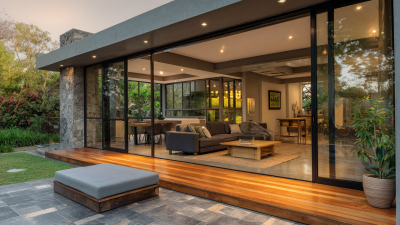
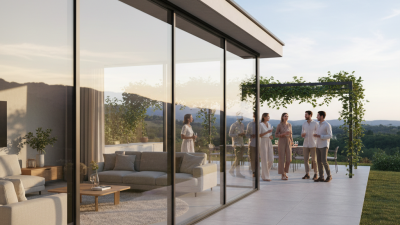
The trend of large glass panes continues to grow.
They not only enhance the views but also allow more natural light.
However, larger windows require careful consideration regarding insulation and energy efficiency.
Studies show that over 70% of buyers view energy-efficient features as a top priority
when selecting home components.
Tips:
Integrate smart technology for window management. This can optimize temperature control and reduce energy costs effectively.
As new styles emerge, individual taste plays a crucial role. Some homeowners may find minimalism too stark
and prefer more eclectic approaches. It's important to balance personal style with current trends for a
customized aesthetic. Remember, the best designs reflect both the environment and the homeowner's personality.