Choosing the best smoke shop shelves in 2026 requires more than attractive displays and low prices. Global buyers need fixtures that support organized, compliant, and professional retail environments. Strong shelves should handle daily customer traffic, repeated cleaning, product weight, and frequent stock changes. Materials matter. Powder-coated steel, tempered glass, and moisture-resistant laminate can improve durability in busy stores.
This guide examines smoke shop shelves through practical retail experience, supplier documentation, and measurable specifications. We will consider load capacity, adjustable spacing, locking options, lighting, packaging, assembly time, and shipping protection. Safety also matters. Buyers should review fire-safety expectations, accessibility requirements, electrical standards, and import rules in every destination market. Local certification may be necessary.
Small details often decide long-term value.
A shelf with uneven edges can damage packaging. Weak hinges can create daily frustration. Poorly protected glass can arrive broken after international transit. Reliable suppliers should provide drawings, material details, warranty terms, replacement-part support, and clear installation guidance. Independent reviews and verified project photos can add useful evidence, though they are not perfect proof.
No single shelving system fits every store. A compact counter display may suit a small urban retailer, while a modular wall system may serve a larger showroom. Some rankings may also change as prices, shipping costs, and standards evolve. That limitation deserves attention. This 2026 overview will help global buyers compare realistic options, identify hidden risks, and choose shelves that balance appearance, durability, compliance, and total ownership cost.
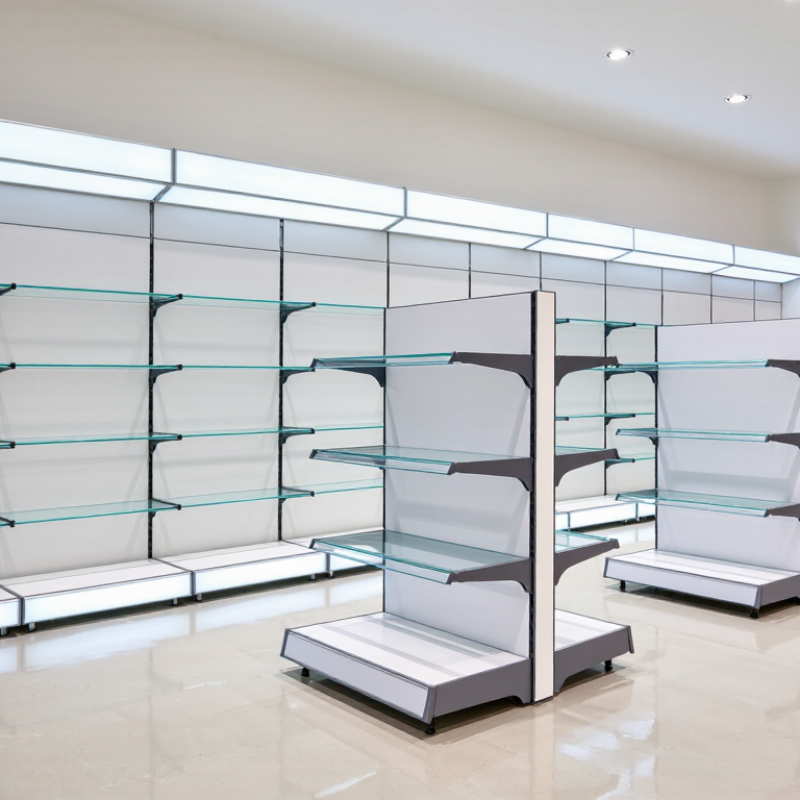
An ideal smoke shop shelf should support legal, age-appropriate retail products while keeping the store clear and welcoming. From practical retail experience, strong construction matters more than decorative details. Steel frames, reinforced corners, and stable feet help shelves handle daily customer contact. Adjustable levels also support different product sizes and seasonal displays.
Visibility must work with safety. Clear front panels can reduce accidental falls and protect small items from dust. Lockable sections may suit higher-value merchandise, depending on local rules and store policy. Shelves should leave enough walking space for customers, staff, and mobility equipment. Global buyers should check dimensions, fire-safety expectations, material standards, and import packaging before ordering. A shelf that fits one market may fail in another.
A perfect shelf probably does not exist. I have seen attractive units become inconvenient after real stock is added. The better approach is to test one section first. Watch how customers move, reach, and pause. Then adjust the layout before making a larger purchase.
2026 Best Smoke Shop Shelves for Global Buyers?
Choosing shelves for a smoke shop depends on product size, weight, and customer handling. Small packaged accessories need shallow, adjustable shelves. These reduce hidden stock and make price labels easier to read. Use clear dividers for papers, cases, filters, and other lawful retail items. The shelf should not look crowded. Customers often miss products when packages overlap.
Fragile glass accessories need a different setup. Tempered glass doors, cushioned supports, and stable frames reduce damage during browsing. Keep heavier pieces on lower levels. This improves safety and makes cleaning simpler. For counter-service items, lockable cabinets provide better control and support age-restricted sales procedures. Their placement should allow staff to assist customers without blocking the checkout area.
I have seen attractive displays fail because the shelves were too deep. Products disappeared at the back. That mistake costs space and attention. Metal shelving suits back-room cartons, while wood-look panels create a warmer customer area. Confirm load ratings, anti-tip hardware, moisture resistance, and local fire requirements before buying. Global buyers should also check shipping dimensions and replacement-part availability. No shelf system is perfect. A practical layout may still need changes after real customer traffic reveals awkward corners.
2026 Best Smoke Shop Shelves for Global Buyers?
Material choice affects durability, capacity, and daily maintenance. Powder-coated steel handles frequent cleaning and heavier product loads. Tempered glass adds a brighter, more premium display. However, glass needs careful packaging during international shipping. Grand View Research’s retail shelving analysis identifies metal systems as a major commercial shelving segment. This supports steel for long-term, high-traffic use. Yet, metal alone can make a store feel cold. Combining steel frames with warm wood accents may improve visual comfort.
Capacity should match product size, package weight, and replenishment speed. Adjustable shelves reduce wasted vertical space. A 30–35 centimetre shelf depth often supports clear facing without hiding smaller packages. Security also matters. The National Retail Federation’s 2023 National Retail Security Survey reported an average retail shrink rate of 1.6% in 2022. Lockable glass doors, controlled access, and anchored fixtures can reduce risk. These features should not make browsing difficult. Over-secured displays may lower customer confidence.
Tips: Request load ratings, corrosion testing, spare parts, and installation drawings before ordering. Check fire-safety and accessibility rules in the destination market. Measure doorways, lifts, and aisle widths, not only the sales floor. I would not choose shelves from photographs alone. Lighting can expose uneven coatings and poor glass edges. Some attractive units also hold less stock than expected. That mistake deserves a second measurement. Sources: Grand View Research, Retail Shelving Market Analysis; National Retail Federation, 2023 National Retail Security Survey.
2026 Best Smoke Shop Shelves for Global Buyers?
Global buyers should treat shelving as a transport product, not only a display fixture. UNCTAD’s Review of Maritime Transport 2023 reports that over 80% of world merchandise trade moves by sea. Packaging therefore needs corner protection, moisture barriers, and clear handling marks. ISO 780:2015 provides pictorial marking guidance for packages, including orientation and fragile handling. I would also request carton drop-test records and photographs before dispatch. A low price can become expensive after one damaged shipment.
Check load ratings in kilograms per shelf, not vague “heavy duty” claims. EN 15635 offers useful guidance for steel storage equipment inspection, maintenance, and safe use. Local building rules may still require additional anchoring. The World Bank’s Logistics Performance Index 2023 evaluates 139 economies across customs, infrastructure, shipment quality, and delivery timeliness. Those differences affect port selection and final-mile planning. Ask for a packing list, commercial invoice, harmonized code guidance, and replacement-part availability. Confirm whether duties are prepaid or collected on arrival.
Installation is often underestimated. Measure door widths, elevator limits, wall material, and floor levelness before ordering. A practical unit should arrive with numbered panels, readable instructions, and common fasteners. I have seen attractive shelving delayed because one bracket was missing. That is not a design failure, but it is a procurement failure. A pilot shipment is safer than ordering an entire store layout. Leave room for cable routing, cleaning, lighting, and future product changes. Configuration assumptions deserve another review.
Global standards, shipping options, and installation planning reference
2026 Best Smoke Shop Shelves for Global Buyers?
Choosing and Arranging Shelves for Your Store Layout
A strong store layout begins with visibility, not decoration. Use adjustable steel or laminated shelves for different package sizes and seasonal displays. Keep the first aisle at least 90 centimeters wide, where local access rules permit. Customers should turn easily without touching neighboring displays.
The 2024 National Retail Security Survey reported an average retail shrink rate of 1.6% of sales in 2023. This makes clear sightlines a practical investment. Place tall shelving against walls, and keep central units below eye level. Glass-front cabinets can protect higher-value merchandise while preserving visibility. They also slow customer movement. That may reduce browsing comfort.
Lighting changes how shelves perform. Use neutral white light and avoid strong reflections on glass. Group products by function, size, or price range. Clear category cards reduce questions and support faster decisions. The 2024 Global Shopper Study from Zebra Technologies found that 73% of shoppers expect store technology to improve their experience. A simple inventory scanner can help staff confirm availability without leaving the aisle.
Leave space for real movement. Too many shelves make a store feel guarded. I learned this after a narrow display blocked a busy corner. Measure customer flow for one week before final installation. Then adjust shelf height, spacing, and replenishment access. The first layout is rarely the best.
| Shelf Type | Typical Construction | Common Dimensions | Typical Load Capacity | Best Store Application | Display Advantages | Planning Considerations | Typical Budget Level |
|---|---|---|---|---|---|---|---|
| Wall-Mounted Adjustable Shelves | Powder-coated steel brackets with laminated wood, metal, or tempered-glass shelves | Width: 600–1200 mm Depth: 200–350 mm Vertical adjustment: 25–50 mm increments | Approximately 20–45 kg per shelf when correctly anchored | Perimeter walls, featured product displays, and narrow sales areas |
| Wall type and anchoring method must be checked before installation. Avoid placing heavy glass items above customer head height. | Low to Medium |
| Gondola Double-Sided Shelving | Slotted steel uprights, steel base, adjustable shelves, and optional back panels | Length: 900–1200 mm per bay Depth: 800–1000 mm total Height: 1200–1800 mm | Approximately 50–100 kg per shelf, depending on shelf size and construction | Central aisles and high-capacity product zones |
| Leave sufficient aisle clearance for carts, mobility devices, and two-way customer traffic. Secure tall units where required. | Medium |
| Single-Sided Gondola Shelving | Steel uprights, base shelf, adjustable shelves, and rear backing panel | Length: 900–1200 mm per bay Depth: 350–500 mm Height: 1200–1800 mm | Approximately 40–90 kg per shelf | Wall lines, perimeter aisles, and category merchandising |
| Use lower shelves for heavier stock and upper shelves for lighter merchandise or display-only items. | Medium |
| Lockable Glass Display Cabinet | Tempered safety glass, aluminum or steel frame, lockable hinged or sliding doors | Width: 800–1200 mm Depth: 350–500 mm Height: 900–2000 mm | Approximately 10–25 kg per glass shelf | High-value, age-restricted, fragile, or small merchandise |
| Confirm local requirements for age-restricted products, staff access, locks, lighting, and safety glazing. | Medium to High |
| Countertop Display Shelves | Acrylic, laminated board, powder-coated metal, or a combination of materials | Width: 300–800 mm Depth: 150–300 mm Height: 200–600 mm | Approximately 3–15 kg per tier | Checkout zones, impulse merchandising, and small accessories |
| Keep the checkout surface clear enough for payment, packaging, and customer interaction. Do not obstruct staff sightlines. | Low |
| Slatwall Display System | Grooved MDF, plywood, or composite panels with metal hooks, brackets, and shelves | Panel height: 1200–2400 mm Panel width: 600–1200 mm Accessory depth: 150–400 mm | Approximately 5–25 kg per accessory, depending on panel reinforcement | Accessories, packaged goods, hanging merchandise, and flexible wall displays |
| Load capacity depends strongly on the panel substrate and wall fixing. Use reinforced mounting for heavier shelves. | Low to Medium |
| Freestanding Cube or Modular Shelving | Laminated board, plywood, steel frame, or mixed-material modular components | Individual module: 300–500 mm wide Depth: 300–450 mm Height: 300–1800 mm | Approximately 15–40 kg per compartment | Feature displays, flexible zoning, and low-to-medium stock volumes |
| Check stability when stacking modules. Anchor tall arrangements and keep heavy products in lower compartments. | Low to Medium |
| Mobile Rolling Display Rack | Powder-coated steel or aluminum frame with locking casters and adjustable shelves | Width: 600–1200 mm Depth: 350–600 mm Height: 1200–1800 mm | Approximately 30–80 kg total, depending on wheel and frame design | Seasonal displays, event merchandising, and stores requiring frequent layout changes |
| Use locking casters during business hours. Maintain clear paths and avoid placing unstable or top-heavy loads. | Medium |
| Heavy-Duty Stockroom Shelving | Bolted or rivet steel frames with galvanized or coated steel shelves | Width: 900–1800 mm Depth: 450–750 mm Height: 1800–2400 mm | Approximately 100–300 kg per shelf, subject to the manufacturer’s rating | Back-room inventory, cartons, packaging supplies, and reserve stock |
| Follow the rated load, evenly distribute weight, and secure tall units. Keep emergency exits and electrical equipment accessible. | Medium |
| Low-Level Merchandising Table | Wood, laminate, steel, or mixed-material table with one or more lower storage tiers | Width: 600–1200 mm Depth: 400–800 mm Height: 750–1000 mm | Approximately 30–100 kg on the main surface | Center-floor feature zones, new arrivals, and educational product groupings |
| Keep the table below sightline height where possible. Maintain comfortable circulation around all sides. | Medium |
Thank you!
We will be posting information soon