Ontario +1 289 597 8838
British Columbia +1 778 594 5888
New Brunswick +1 506 269 7732
Nova Scotia +1 902 233 0397

2026 Best Patio Windows and Doors for Global Buyers

Choosing the right patio windows and doors in 2026 requires more than attractive photographs. Global buyers must consider climate, building standards, installation skills, maintenance access, and long-term energy performance. A coastal home in Australia faces salt air, strong sunlight, and wind. A mountain property in Canada may need advanced insulation and reliable weather sealing. One design cannot serve every location equally well.

This guide examines patio windows and doors through practical, buyer-focused criteria. We will compare frame materials, glazing options, opening systems, security features, ventilation, accessibility, and expected maintenance. We will also consider how product performance can change after installation. Even excellent glass may underperform when measurements are inaccurate or drainage is poorly planned. Small details matter. A low threshold helps wheelchair users. Warm-edge spacers can reduce condensation. Durable finishes may protect frames near busy outdoor areas.

Reliable purchasing decisions should include verified specifications, test reports, warranty terms, replacement-part availability, and installer experience. Regional certification may differ, so buyers should confirm local requirements before ordering. Manufacturer claims deserve careful checking. Marketing language is not independent evidence.

Some judgments remain subjective. A slim aluminum frame may offer a modern view, yet it can feel less thermally comfortable in certain climates. Timber may bring warmth, but it needs consistent care. Vinyl can reduce maintenance, though color and sizing choices may vary by market. No product wins everywhere.

The following overview aims to make comparison clearer, not to promise a perfect choice. Measure carefully. Ask difficult questions. Your patio opening deserves more than a showroom decision.

2026 Best Patio Windows and Doors for Global Buyers

What Patio Windows and Doors Are and How They Differ

Patio windows and doors are glazed openings designed to connect indoor rooms with outdoor areas.

A patio window mainly provides daylight, ventilation, and a view. It usually remains within the wall opening, even when its sash slides or swings. A patio door is larger and built for regular passage. It often reaches near floor level and includes a low threshold.

The differences become clearer in daily use.

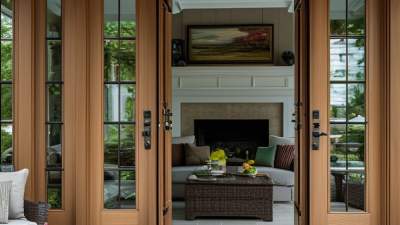
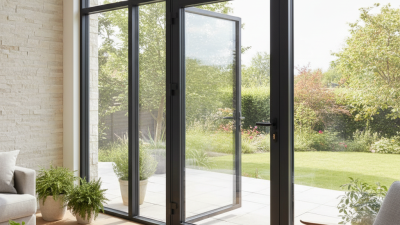
Sliding patio doors move horizontally and save interior space. Hinged doors open inward or outward and can create a wider passage. Sliding windows also move sideways, but their opening is usually smaller. French-style patio doors resemble paired windows, although their frames, hinges, locks, and thresholds must handle human traffic.

Small detail, big consequence.

For global buyers, performance matters as much as appearance.

Check the U-factor for insulation, SHGC for solar heat control, and air-leakage ratings. Coastal homes may need stronger corrosion resistance, while cold regions require reliable seals and low-emissivity glazing. Tempered safety glass is commonly expected near walking areas, subject to local building rules.

I would not select a product from photographs alone. A beautiful frame may still leak during wind-driven rain. That distinction is easy to miss.

Measure the opening, review installation requirements, and question unclear warranty terms. Even experienced buyers can overlook the threshold height, which affects drainage, accessibility, and long-term comfort.

Key Materials, Glass Options, and Opening Styles

2026 Best Patio Windows and Doors for Global Buyers

Material choice should follow climate, not fashion. Thermally broken aluminum offers slim frames and strong resistance to coastal moisture. uPVC provides practical insulation and low maintenance. Fiberglass handles temperature movement well, while timber-composite frames add warmth but require careful sealing. The U.S. Department of Energy reports that windows can cause up to 30% of residential heating and cooling energy use. Frame quality matters.

Glass selection changes comfort dramatically. Double glazing suits many moderate climates. Triple glazing performs better in cold regions, but adds weight and cost. Low-e coatings reduce unwanted heat transfer. Argon-filled cavities improve insulation when factory seals remain intact. Laminated glass can reduce noise and retain fragments after breakage. Tempered glass is useful near floors and doors. Check tested U-values, solar heat gain coefficient, and air-leakage ratings. NFRC and European EN labels improve comparison, though ratings are not perfectly interchangeable.

Tips: Match solar control to orientation. Choose lower SHGC for hot west-facing rooms. Use higher solar gain in cold, sunny climates. Sliding doors save interior space, but their seals may perform less effectively than hinged systems. Folding systems create wider openings, yet rollers and alignment need regular inspection. Lift-and-slide designs offer smooth movement for large panels, but structural support must be verified. I would not choose glass size before checking wind loads, drainage, and installation tolerances. Many failures begin there. DOE and the International Energy Agency both reinforce a practical point: efficient products need correct installation to deliver their rated performance.

2026 Best Patio Windows and Doors for Global Buyers

Representative whole-product thermal transmittance benchmarks by frame material and glazing option. Lower U-factor values indicate better insulation performance.

Thermally broken aluminum offers strength with improved insulation, while uPVC, wood, and fiberglass generally provide lower thermal transmittance. Double low-emissivity glazing is a balanced choice for many climates; triple low-emissivity glazing is better suited to colder regions. Sliding doors save space, hinged doors usually provide stronger perimeter sealing, and folding systems create the widest opening but require careful hardware and structural planning. Values are representative market benchmarks and should be verified through local certification standards such as NFRC, EN, or ISO testing.

How to Compare Energy Efficiency, Security, and Durability

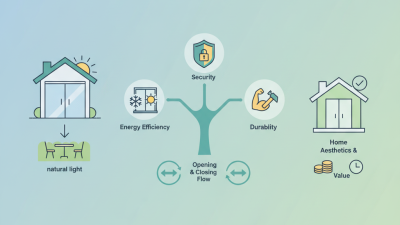
For global buyers, comparing patio windows and doors starts with the local climate. A sunny coastal home needs different performance from a cold mountain property. Check the U-factor for insulation and the solar heat gain coefficient for sunlight control. Lower U-factor values usually reduce indoor heat loss. However, very low solar gain can make a shaded room feel colder. Balance matters.

From site inspections, I have found that glazing is only part of the energy story. Tight weather seals, insulated frames, and accurate installation often decide real performance. Ask for test data, not vague claims. Look for condensation resistance, air leakage results, and thermal-break details. Small gaps become obvious during windy rain. Very obvious.

Security should be assessed through the complete system. Examine multipoint locks, reinforced strike areas, hinge protection, and laminated or impact-resistant glass. A strong lock is less useful when the frame flexes. Check whether the panels remain aligned after repeated opening. Sliding doors deserve special attention because worn rollers can create gaps. I once focused too much on glass thickness and underestimated frame strength.

Durability depends on exposure and maintenance. Coastal buyers should examine corrosion-resistant hardware and drainage paths. Humid regions need mold-resistant seals and finishes that tolerate frequent moisture. In dry, intense sunlight, color stability and seal quality become critical. Review warranty conditions, but do not treat them as proof of long service life. Installation quality remains the weak link, and buyers sometimes discover that too late.

Choosing Designs for Climate, Architecture, and Outdoor Living

2026 Best Patio Windows and Doors for Global Buyers

Choosing patio windows and doors begins with climate, not appearance. In hot regions, low solar heat-gain glass can reduce unwanted afternoon heat. In cold regions, low-emissivity glazing and warm-edge spacers help retain indoor warmth. The International Energy Agency’s Buildings 2023 report states that buildings consume about 30% of global final energy. Small envelope decisions matter.

Architecture also shapes performance. A coastal home needs corrosion-resistant hardware, drainage paths, and tested wind resistance. A mountain property needs strong frames, low U-values, and careful installation around thermal bridges. Large sliding panels suit modern open-plan homes, while narrow French doors may better match traditional façades. Check U-value, solar heat gain coefficient, air leakage, water resistance, and local safety-glazing rules. One weak measurement can undermine an expensive door.

Tips: Select glass by climate zone. Confirm wind and water tests. Request installation details, not only product claims. Use exterior shading where summer sun is intense. I have seen beautiful systems fail because the sill lacked proper drainage. That mistake is easy to overlook. Regional standards also differ, so buyers should verify test methods before comparing numbers. The National Fenestration Rating Council explains that ratings must be read together, since lower U-values may not suit every sunny climate. A balance between daylight, heat control, ventilation, and outdoor access usually performs better than choosing the largest opening.

2026 Best Patio Windows and Doors for Global Buyers - Choosing Designs for Climate, Architecture, and Outdoor Living

Practical design and performance targets for residential patio windows and doors. U-factor values are shown in W/m²·K; lower values generally indicate better insulation. SHGC is the fraction of solar heat admitted through glazing.
Climate / Environment Recommended Product Type Glazing Strategy Target U-Factor Suggested SHGC Frame and Weather-Sealing Best Architectural Match Important Selection Notes
Hot-humid
Tropical and subtropical coasts
Large sliding patio door or multi-panel sliding system with operable awning or casement windows. Double glazing with spectrally selective low-emissivity coating; laminated glass is useful where storm impact is a concern. Approximately 1.6–2.0 0.25–0.40 Thermally improved aluminum, vinyl, fiberglass, or composite frames; use multiple compression seals, a sloped sill, and effective drainage. Contemporary villas, resort homes, shaded verandas, and indoor-outdoor living rooms. Prioritize solar control, corrosion resistance, insect-screen compatibility, mold-resistant finishes, and local wind or impact requirements.
Hot-dry
Desert and semi-arid regions
Deeply shaded sliding door, lift-and-slide door, or narrow-frame fixed-and-operable combination. Double glazing with low-e solar-control coating; consider tinted or spectrally selective glass on west- and south-facing elevations. Approximately 1.6–2.0 0.20–0.35 Thermally broken aluminum, fiberglass, or composite frames; specify durable gaskets and dust-resistant track detailing. Courtyard houses, desert modern architecture, shaded patios, and deep roof overhangs. External shading, pergolas, roller shades, and orientation often reduce heat gain more effectively than darker glass alone.
Mixed climate
Warm summers and cool winters
Insulated hinged French door, sliding patio door, or tilt-and-slide system selected according to available space. Double glazing with a balanced low-e coating; triple glazing may be justified in colder subregions or noisy locations. Approximately 1.2–1.6 0.30–0.45 Thermally broken aluminum, fiberglass, vinyl, wood-clad, or composite frames with continuous perimeter seals. Transitional, farmhouse, craftsman, and modern family homes with flexible patio layouts. Balance winter insulation and summer solar gain; verify condensation resistance and air-leakage performance.
Cold
Continental, alpine, and northern regions
Insulated hinged patio door, compact sliding door, or triple-glazed fixed-and-operable assembly. Triple glazing with two low-e coatings, warm-edge spacers, argon or comparable inert-gas fill, and low-conductivity frames. Approximately 0.8–1.2 0.35–0.55 Fiberglass, insulated vinyl, wood-clad, or thermally broken aluminum; use multi-point locking and high-performance compression seals. Nordic, chalet, mountain, and energy-efficient modern homes. Limit oversized openings unless structural and thermal detailing are excellent; provide a durable sill pan and interior condensation control.
Marine and rainy
Oceanic, coastal, and high-rainfall areas
Out-swing or sliding patio door with protected threshold; awning windows are useful where ventilation is needed during light rain. Double or triple low-e glazing based on winter temperature; laminated glazing can improve acoustic comfort and safety. Approximately 1.0–1.6 0.30–0.50 Fiberglass, vinyl, marine-grade coated aluminum, or protected wood; specify stainless or corrosion-resistant hardware and robust drainage. Coastal contemporary, timber homes, glass extensions, and covered outdoor rooms. Check water penetration, air leakage, salt-spray durability, sill height, and local exposure classification before ordering.
High-wind and storm-prone
Cyclone, hurricane, and typhoon zones
Certified impact-rated sliding or hinged patio door with limited panel widths and reinforced perimeter framing. Laminated impact glazing or approved protective shutters; low-e coating can be added when compatible with the tested assembly. Approximately 1.6–2.2 0.25–0.45 Reinforced aluminum, fiberglass, or engineered composite frames; use multi-point locks, sealed corners, and tested anchorage. Raised coastal homes, resilient modern houses, and protected outdoor entertainment areas. The complete tested unit matters: confirm design pressure, impact classification, installation details, and emergency egress requirements.
Urban and noise-sensitive
Dense cities and transport corridors
Acoustic sliding door, hinged French door, or fixed glazing paired with a smaller operable panel. Laminated acoustic glass, asymmetric double glazing, or thicker insulated glass units; prioritize tested sound-reduction performance. Approximately 1.0–1.8 0.25–0.45 Rigid frames with continuous gaskets, tight interlocks, and carefully sealed perimeter joints. Apartment renovations, rooftop terraces, compact balconies, and minimalist urban interiors. Sound performance depends on the whole opening, including walls, vents, tracks, and installation; request laboratory acoustic ratings where available.
Buyer checklist: Confirm local energy codes, structural loads, wind exposure, water resistance, fire and egress rules, glazing safety requirements, rough-opening dimensions, delivery access, and professional installation conditions before placing an international order.

Installation, Maintenance, Costs, and Global Buying Considerations

Choosing patio windows and doors for global projects requires more than comparing frame prices. The U.S. Department of Energy reports that windows can represent 25–30% of residential heating and cooling energy use. Glass selection therefore matters. Check U-factor, solar heat gain coefficient, visible transmittance, and air leakage. The National Fenestration Rating Council explains these ratings through independent product testing. Climate changes the priority: low solar gain suits hot regions, while stronger insulation helps cold interiors. Local codes still control the final specification.

Installation often decides whether laboratory performance survives real weather. Inspectors should verify level sills, continuous flashing, sealed corners, drainage paths, and correctly sized shims. A door may look perfect yet leak around its frame. Water testing after installation is worthwhile, especially in coastal or high-rainfall locations. It is not glamorous.

Maintenance is practical, not optional. Clean tracks with a soft brush, keep drainage holes open, and inspect gaskets twice yearly. Replace damaged seals before wind-driven rain reaches the wall cavity. Sliding hardware may need adjustment after building movement or heavy use. I would not assume a premium specification eliminates maintenance; that assumption is expensive.

Budgeting should include measurement, removal, labor, shipping, insurance, duties, taxes, storage, and local certification. The 2024 International Energy Agency buildings analysis continues to identify building efficiency as a major energy priority, but projected savings depend on installation quality and occupancy. Request tested performance documents, warranty limits, spare-part availability, and service responsibilities. A low purchase price can become costly when replacement hardware crosses borders. That is an uncomfortable detail, but buyers should calculate the landed cost before ordering.

To top